
Understanding Your Window Glass Options
Choosing the right window glass is one of the most important decisions you will make when building or renovating your home. The glass you select affects your comfort, energy bills, and even the value of your property. With so many options available, from double glazing to triple glazing, from low-E glass to tinted glass windows, it is easy to feel overwhelmed.
This guide breaks down everything you need to know about window glass types so you can confidently answer the question: which window glass is best for you?
Single Glazing – The Basic Standard
Single glazing is the most basic type of window glass. It consists of a single pane of glass with no air space or coating. While it is the cheapest option upfront, it offers very little insulation.
In hot climates, single glazing allows heat to pass through easily. In cooler months, indoor warmth escapes just as quickly. For most homeowners, single glazing is no longer recommended unless you are working with a very tight budget or a temporary structure.
If you are looking for energy efficient windows, single glazing is rarely the answer. The lack of thermal resistance means your air conditioning system works much harder than necessary, driving up electricity costs month after month.
Double Glazing – The Popular Choice
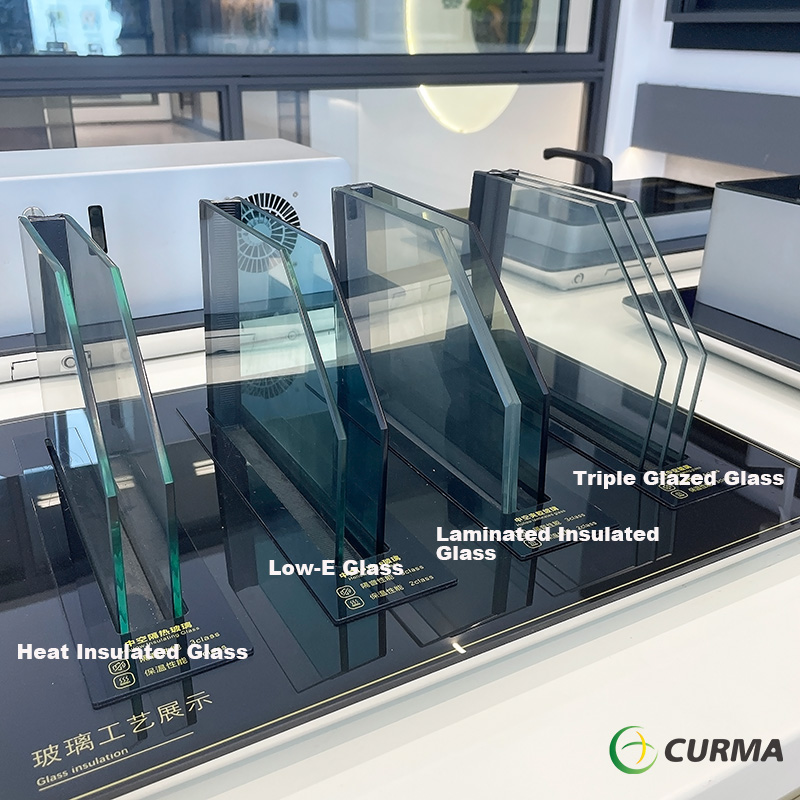
What Is Double Glazing?
Double glazing consists of two panes of glass separated by a spacer and sealed to create an insulating air gap. This gap is often filled with air or an inert gas such as argon. The trapped gas slows down heat transfer, keeping indoor spaces cooler in summer and warmer in winter.
Benefits of Double Glazing
Double glazing is the most popular upgrade from single glazing for good reason. It significantly reduces heat transfer, giving homes more stable temperatures and lower energy use with double glazing. Key benefits of double glazing include less solar heat gain, lower bills, better noise control, and reduced condensation. For most homeowners, double glazing delivers the best cost-to-performance balance, making double glazing a solid foundation for any energy efficient windows project.
Limitations of Double Glazing
While double glazing performs well, it may not be sufficient in extremely hot climates or for rooms with large west-facing windows. In these situations, you might need additional features like low-E glass or tinted glass windows to further control solar heat.
Triple Glazing – Maximum Insulation
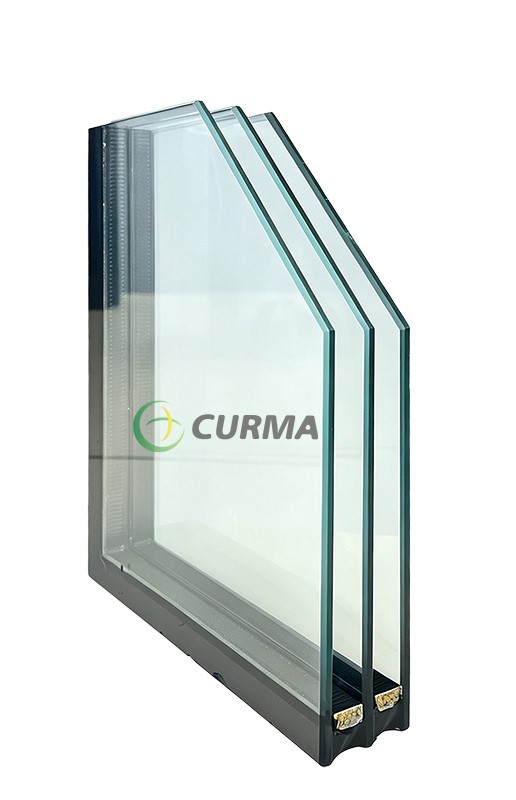
What Is Triple Glazing?
Triple glazing takes the concept of double glazing one step further by adding a third pane of glass and a second insulating air gap. This creates two separate chambers for trapped air or gas, offering even greater thermal resistance.
Is Triple Glazing Always Better?
Many homeowners assume triple glazing is always better than double glazing. In reality, the best choice depends on your climate. Colder regions benefit from triple glazing because it reduces winter heat loss. But in tropical areas, triple glazing doesn't solve the main issue: solar heat gain. That is where low-E glass makes a real difference. Double glazing paired with low-E glass often outperforms basic triple glazing in warm climates – at a lower cost. Triple glazing also adds weight to frames and increases expenses. When choosing triple glazing, evaluate your climate, sun exposure, budget, and whether your frames can handle the extra load.
Low-E Glass – The Smart Technology
What Is Low-E Glass?
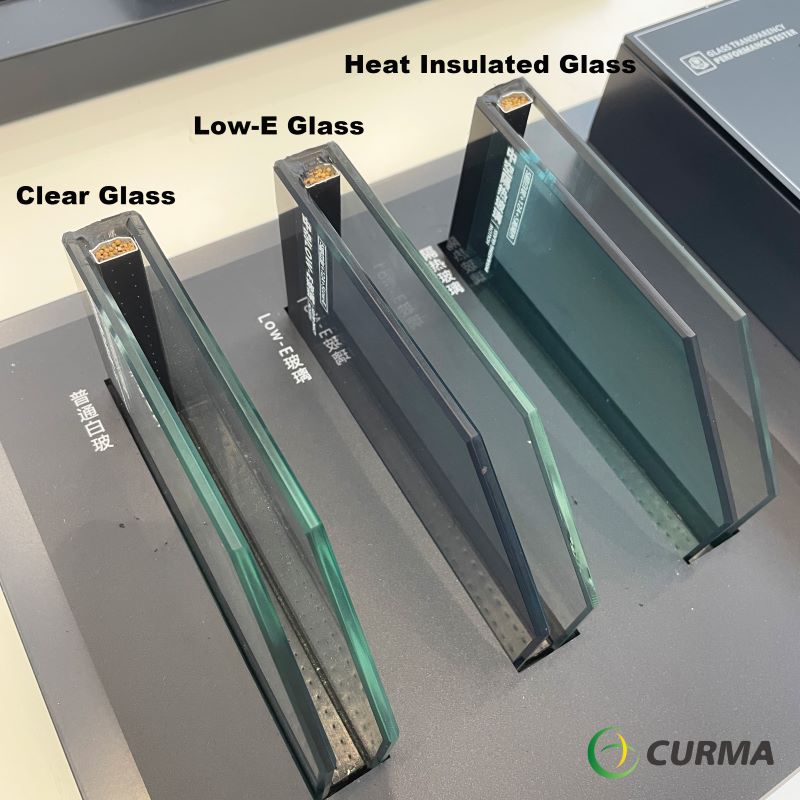
Low-E glass – short for low-e missivity glass – is a high-performance product that features a microscopically thin metal coating on the glass surface. This coating is invisible to the naked eye but has a powerful effect on how heat passes through the window.
The coating on low-E glass acts as a thermal mirror. It reflects long-wave infrared heat while allowing visible light to pass through. This means you get natural daylight without the unwanted heat.
How Does Low-E Glass Work?
Low-E glass works differently depending on the season and the placement of the coating:
l In hot climates: The coating reflects solar heat away from the glass, preventing it from entering your indoor space. This keeps rooms cooler and reduces the load on air conditioning.
l In cold climates: When the coating is placed on a specific surface within the insulating gap, low-E glass reflects indoor heat back into the room, preventing warmth from escaping.
Types of Low-E Glass – Single, Double and Triple Silver
Low-E glass comes in different performance grades:
l Single silver: One layer of silver coating. Offers basic thermal performance and is suitable for most residential applications.
l Double silver: Two layers of silver. Provides better solar control and is ideal for warmer climates.
l Triple silver: Three layers of silver. Offers the highest level of solar heat rejection while maintaining excellent visible light transmittance.
When paired with double glazing or triple glazing, low-E glass becomes one of the most effective solutions for creating energy efficient windows. It is especially valuable in tropical regions where reducing solar heat gain is a top priority.
Important Note About Low-E Glass
Low-E glass coatings are delicate and must be sealed inside the insulating gap of double glazing or triple glazing. If exposed to air, the coating will oxidize and lose its effectiveness. Always ensure that any low-E glass product you purchase is factory-sealed within a properly constructed insulated glass unit.
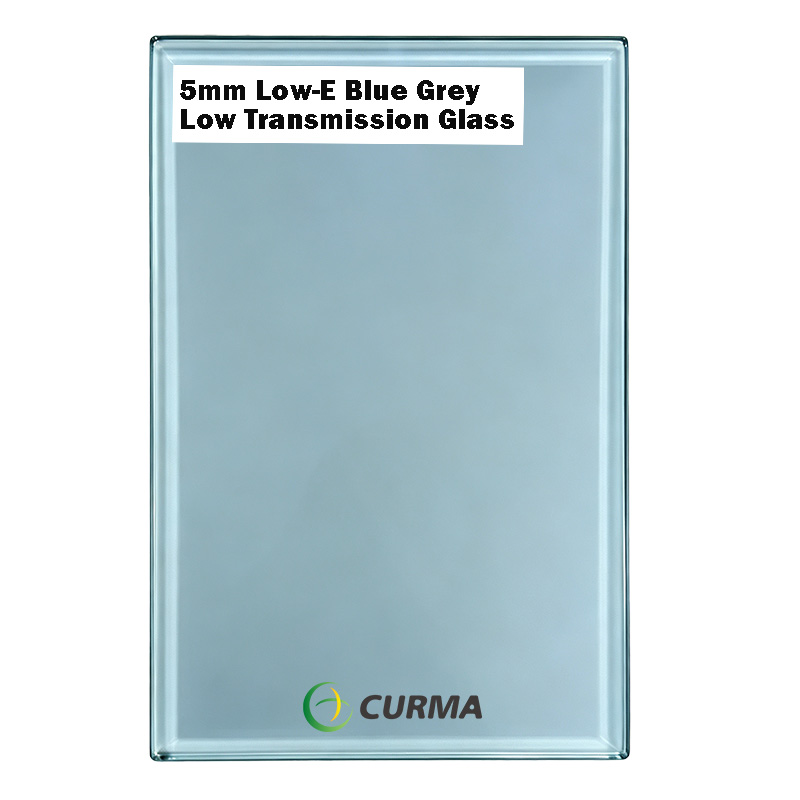
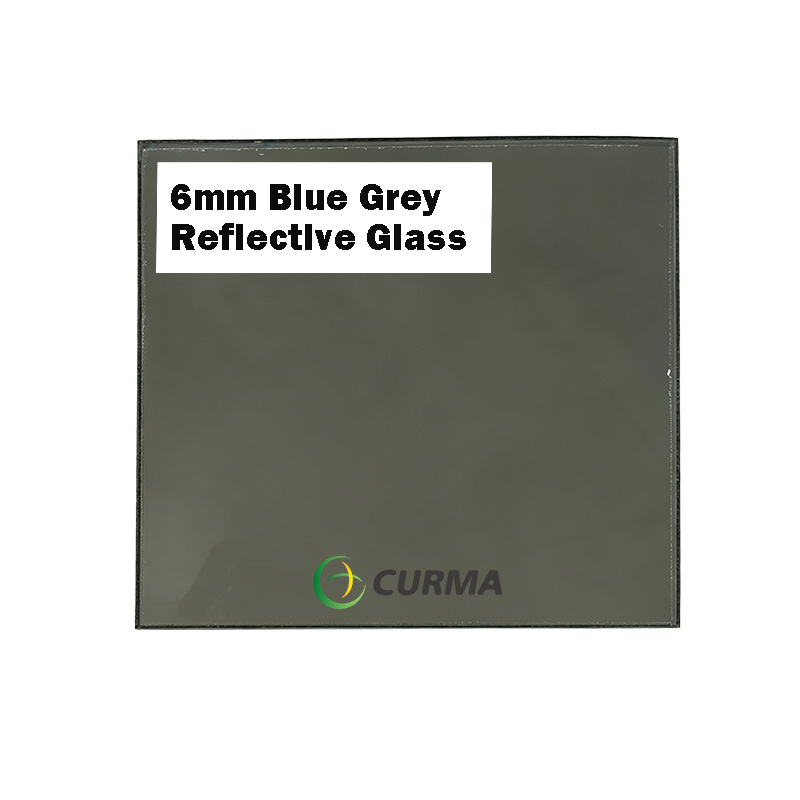
For homeowners who are also concerned about glare or architectural appearance, tinted glass windows can be added to the glass configuration. However, tinted glass windows primarily absorb rather than reflect heat, so they are best used in combination with low-E glass and double glazing rather than as a standalone solution.
Choosing Energy Efficient Windows – A Decision Framework
Climate, Orientation and Budget
When choosing energy efficient windows, start with your local climate. In tropical regions, prioritize double glazing with low-E glass – preferably double or triple silver – to block solar heat. In colder areas, triple glazing with low-E glass positioned for heat retention is the better choice.
Next, consider window orientation. West-facing windows receive the strongest afternoon sun and benefit most from low-E glass with high solar control, sometimes paired with tinted glass windows for glare reduction. East-facing windows need less protection, while north or south-facing windows can use standard double glazing with basic low-E glass.
Finally, match your budget to your priorities. Triple glazing offers top-tier insulation but comes with higher material and installation costs. In many warm-climate homes, double glazing combined with low-E glass delivers comparable performance at a significantly lower price. If your budget allows, add tinted glass windows in specific rooms like west-facing living areas for extra comfort and visual appeal.
Evaluate Your Window Orientation
The direction your windows face makes a significant difference:
l West-facing windows receive intense afternoon sun. Prioritize low-E glass with strong solar control and consider tinted glass windows to reduce glare.
l East-facing windows get morning sun. Standard double glazing with low-E glass is usually sufficient.
North or south-facing windows may not need the highest level of solar control, but energy efficient windows are still beneficial.
Match Your Budget to Your Priorities
Triple glazing offers the highest insulation, but it also costs the most. In many cases, double glazing paired with low-E glass delivers comparable performance at a lower price point.
Tinted glass windows add aesthetic value but are generally more expensive than clear glass. If budget is limited, prioritize low-E glass and double glazing first, then consider tinted glass windows for specific areas like large west-facing living rooms.
Common Misconceptions About Window Glass
Misconception 1: "Triple Glazing Is Always Better Than Double Glazing"
Not necessarily. Three panes of clear glass may insulate well, but they do not actively reject solar heat. A combination of double glazing and low-E glass can outperform basic triple glazing in hot climates while costing less.
Misconception 2: "Tinted Glass Windows Are the Same as Heat-Reflecting Glass"
No. Tinted glass windows absorb heat, which can re-radiate into your room. Low-E glass, on the other hand, reflects heat away. If your goal is to keep indoor spaces cool, low-E glass is the more effective choice.
Misconception 3: "Low-E Glass Will Make My Room Too Dark"
High-quality low-E glass allows visible light transmittance of 70% or more. You will enjoy bright, natural daylight while the coating blocks invisible infrared heat. Your room stays bright, but not hot.
Summary – Which Window Glass Is Best for You?
There is no single answer to the question which window glass is best for you. The right choice depends on your climate, window orientation, design preferences, and budget.
| Glass Type | Best Suited For | Climate Recommendation |
| Single glazing | Temporary structures, tight budgets | Not recommended for any climate |
| Double glazing | Most homes, mild to warm climates | Tropical/Subtropical: Pair with low-E glass |
| Triple glazing | Cold climates, noise-sensitive areas | Cold/Mountain: Use with low-E glass for heat retention |
| Low-E glass | All climates (coating position matters) | Essential in all climates; choose a silver layer based on solar exposure |
| Tinted glass windows | Aesthetic focus, glare reduction | Optional add-on; combine with low-E glass and double glazing |
For most homeowners in warm climates, the most practical solution is double glazing combined with low-E glass. This delivers strong thermal performance without the premium cost of triple glazing. Adding tinted glass windows in specific rooms can further enhance comfort and visual appeal.
Ultimately, energy efficient windows are an investment in comfort, savings, and property value. Take the time to evaluate your needs, consult a professional, and choose the glass that truly works for your home.
