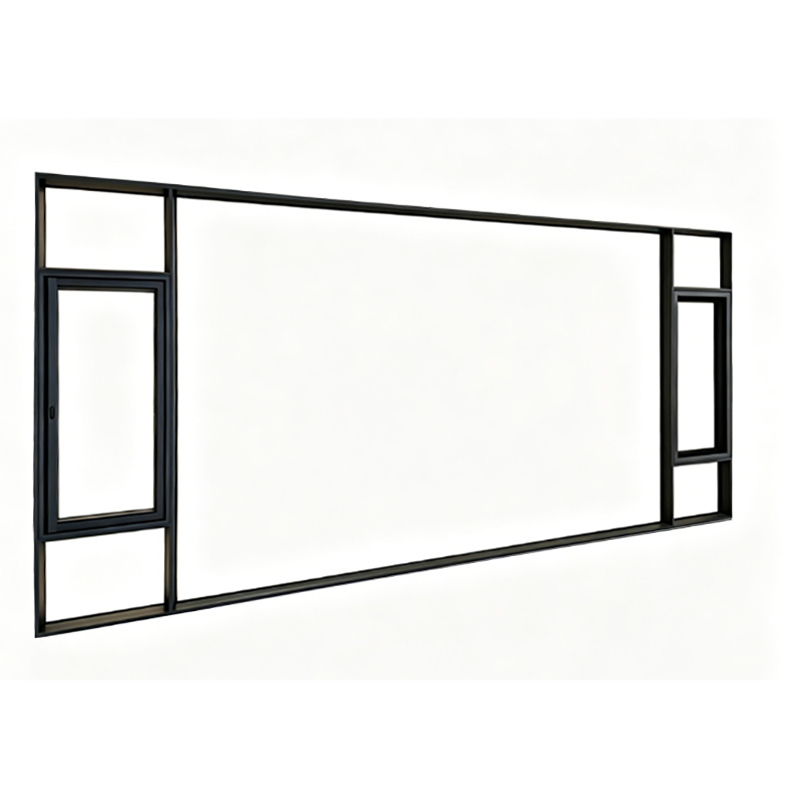
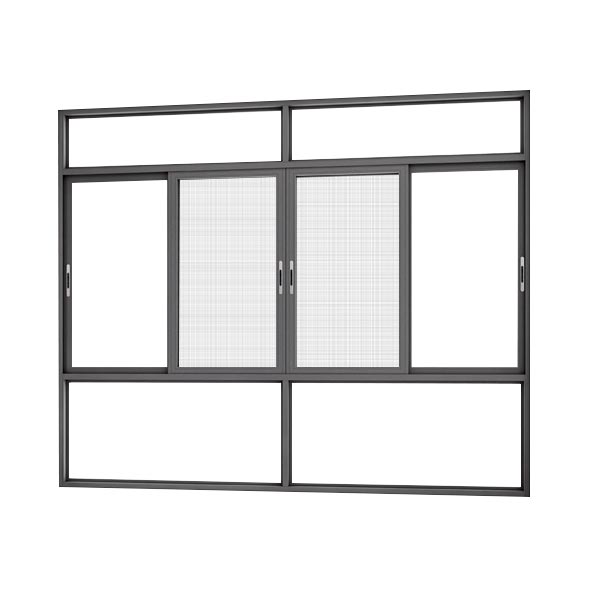
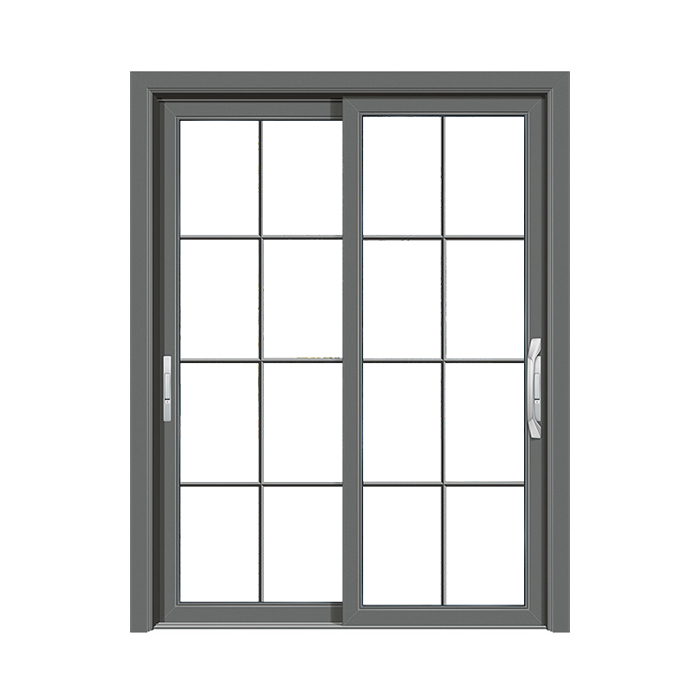
Key insight: The persistence of single glazing is not technological backwardness—it is a rational market response shaped by economic constraints, tropical climate, and regulatory frameworks.
Executive Summary: Why Single Glazing Dominates the Market
Several key factors collectively explain why single glazing continues to dominate building specifications in this market. The fragmented construction landscape, where approximately 75% of residential buildings are self-built by homeowners or small local contractors, generates minimal demand for premium glazing products. Extreme price sensitivity further reinforces this trend, as the principle of "good enough and affordable" consistently outweighs the appeal of double glazing or other high-performance alternatives. The absence of mandatory building energy efficiency codes removes any regulatory incentive to upgrade from single glazing to energy efficient windows or double glazing. Government localization policies, such as Indonesia's TKDN requirements, inadvertently favor single glazing because its supply chain is simpler and more readily available locally compared to energy efficient windows or low-E glass. Finally, the tropical climate has encouraged the adoption of tinted glass windows as a cost-effective intermediate solution that addresses some heat gain concerns without requiring the full investment in double glazing.
Market Logic: Why Single Glazing Wins on Cost
A Fragmented Construction Market Favors Single Glazing
l 75% of residential construction = self-build or small local contractors
l Buildings are predominantly low-rise with modest structural requirements
l Commercial projects: typically 8–10 units per development, using single glazing as baseline
The market structure simply does not generate sufficient demand for premium glazing products.
Price Sensitivity Keeps Single Glazing Ahead of Double Glazing
The lukewarm reception of premium Japanese brands (YKK, LIXIL) in the region is instructive:
"Good enough and affordable" consistently outperforms "high-performance but expensive"
This consumer mentality directly favors single glazing over double glazing.
When Low-E Glass Is Not the Priority for Builders
Builders and homeowners ask one question:
l "Why pay more for a benefit we have never been required to consider?"
This pragmatic calculus keeps single glazing firmly entrenched, while low-E glass remains a niche product for premium projects.
Climate Realities: How Tropical Conditions Affect Glazing Choices
The Cost of Performance Compromises with Single Glazing
| Sector | Glazing Preference | Primary Reason |
| Hotels | Single glazing (≈90%) | Construction cost control |
| Exhibition centers | Single glazing (≈90%) | Construction cost control |
| Residential | Single glazing | No regulatory pressure |
The decisive factor: No mandatory building energy efficiency standard exists. Without regulatory pressure, upgrading to energy efficient windows or double glazing remains economically unjustified.
Tinted Glass Windows as an Intermediate Solution
l Provides visually acceptable solar control at a fraction of the cost
l Addresses some heat gain concerns without full investment in double glazing
l Popular in commercial buildings where budget constraints exist
Thermal Benefits Through Passive Means: A Case for Single Glazing
Case example: Weda Bay Industrial Park
l Extensive rooftop PV coverage significantly reduces indoor temperatures
l Lower air conditioning loads observed
l However, this awareness remains limited to industrial/commercial captive power applications
Policy Constraints: How TKDN Rules Reinforce Single Glazing
The Localization Requirement Dilemma for Double Glazing and Low-E Glass
Indonesia's TKDN policy mandates local content in construction materials:
| Policy Aspect | Detail |
| Original requirement | 40% local content |
| Relaxed requirement | 20% local content |
| Key challenge | Upstream production (silicon, cells) still depends on imports |
Why this favors single glazing over double glazing and low-E glass:
l Simpler manufacturing leads to more readily available local supply chains
l Reduced project delays and regulatory approval risks
l Double glazing and low-E glass often require imported specialized coatings, creating compliance risks
Limited Domestic Production Capacity for Energy Efficient Windows
Current situation:
l Domestic ecosystem for advanced glazing remains underdeveloped
l Producing low-E glass requires sophisticated coating technology not widely available locally
l Imported energy efficient windows face tariff barriers plus TKDN hurdles
Result: Domestic single glazing maintains its market position by default, while energy efficient windows struggle to gain traction.
Technical Debate: Can Double Glazing Compete with Single Glazing?
Evidence of Performance Advantages for Double Glazing
| Technology | Performance Metric | Application |
| Bifacial modules | Performance ratio up to 87.34% | Karawang 100 MW project |
| Double glazing | Superior thermal insulation | Large-scale commercial |
Academic research confirms that advanced glass solutions clearly outperform in controlled conditions.
Why Double Glazing Has Not Replaced Single Glazing in the Market
| Barrier | Impact |
| Higher upfront costs | 2–3 times more expensive than single glazing |
| Greater weight | Higher roof load requirements |
| Limited installer familiarity | Fewer qualified contractors available |
The bottom line: Additional costs are not yet offset by energy savings, especially given:
l No regulatory mandates
l Relatively low electricity tariffs (weak payback period)
Market Segmentation: Single Glazing, Double Glazing, and Beyond
The Indonesian glazing market can be clearly segmented by product type and application. Single glazing remains the dominant choice across residential properties, price-sensitive commercial developments, and off-grid applications, driven by its low cost, simple supply chain, and ease of TKDN compliance. Tinted glass windows occupy a distinct middle ground, appealing to commercial building owners with budget constraints who seek some level of solar control without committing to the full cost of double glazing. At the premium end of the market, double glazing is gradually gaining traction in high-end residential and large-scale commercial projects where better insulation justifies the higher investment. Low-E glass remains largely confined to international-standard commercial buildings and premium developments that demand superior thermal performance. Energy efficient windows, as a broader category, currently serve a niche premium segment, primarily in export-oriented or green-certified projects where international building standards are required.
Conclusion: Why Single Glazing Remains the Rational Choice
Indonesia's persistence with single glazing is not a story of technological lag. It is a story of rational decision-making under real-world constraints:
| Constraint | How It Favors Single Glazing |
| Price-sensitive consumers | Lower upfront cost |
| Fragmented building practices | Simpler installation, lighter weight |
| Limited regulatory pressure | No mandate for energy efficient windows |
| Immature domestic supply chain | Local production feasible for single glazing, not for low-E glass |
The Evolving Landscape for Single Glazing and Double Glazing
As the government advances its 100 GW solar capacity target, and as the cost of double glazing and low-E glass continues its long-term decline, the market will gradually shift—but not uniformly or rapidly.
Expected market division:
l Single glazing retains residential and price-sensitive commercial sectors
l Double glazing and energy efficient windows increasingly capture large-scale commercial and premium projects
Key Takeaway: Why Single Glazing Still Matters for International Suppliers
To succeed in this market, one must respect the compelling logic of affordability that continues to make single glazing the rational choice for the majority of building owners. The market will eventually evolve, but it will do so on its own terms, driven by local economic realities rather than global technological trends.