
The Evolution of Glazing Systems in Contemporary Architecture
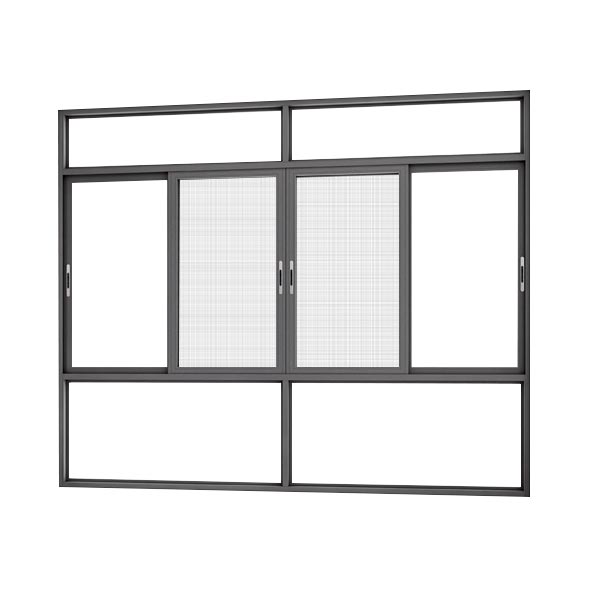
In an era where architectural aesthetics and functional performance converge, the selection of fenestration systems has become a critical determinant of a building's identity. While traditional casement and fixed windows maintain their relevance, a pronounced shift is occurring toward systems that offer seamless visual continuity, operational efficiency, and superior environmental control. At the forefront of this movement are horizontal sliding windows, whose design philosophy naturally complements the expansive views and clean lines offered by large-scale sliding door systems. Unlike vertical-opening windows that can interrupt sightlines, horizontal sliding windows glide effortlessly within their frame, preserving an unbroken panorama and facilitating a harmonious architectural narrative between openings of all sizes. This synergy is particularly evident when paired with high-performance aluminium double glazing, a combination that elevates both the aesthetic appeal and thermal performance of the entire building envelope.
Engineering Excellence: The Technical Superiority of Aluminium Glazing Systems
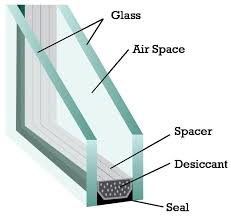
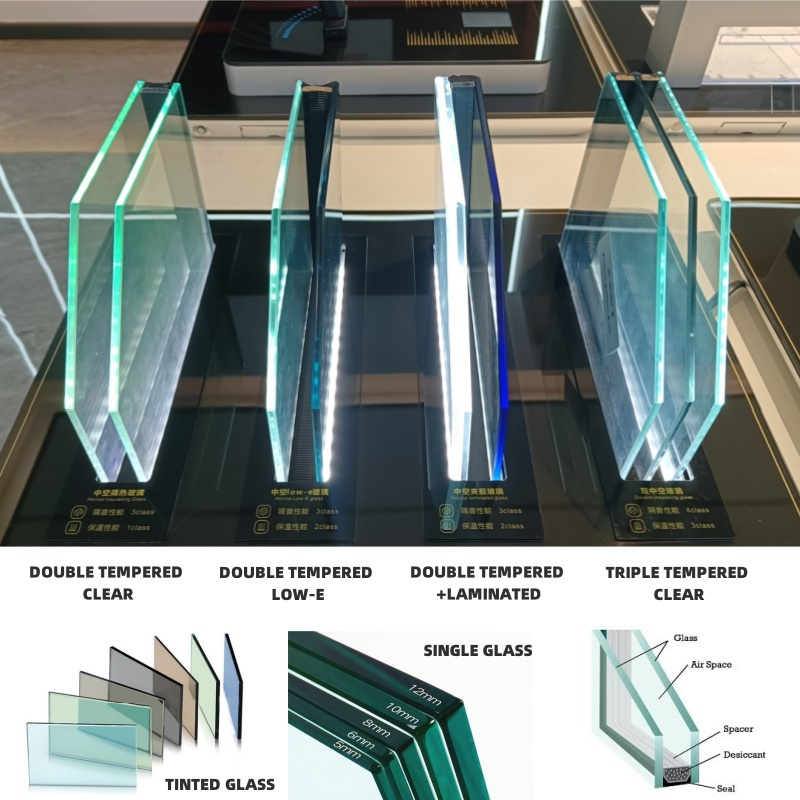
The ascendancy of horizontal sliding windows in modern construction is not merely an aesthetic preference but a testament to engineered precision. Central to their performance is the integration of advanced aluminium double glazing. This glazing technology typically incorporates two panes of glass separated by a sealed air or argon-filled cavity, which acts as a formidable thermal barrier. When housed within precision-engineered aluminium glazed window frames, the system achieves exceptional U-values, significantly reducing heat transfer and energy consumption. The structural integrity of aluminium allows for slimmer sightlines than traditional materials, maximizing glass area and natural light ingress without compromising strength—a crucial factor for the large formats often desired in conjunction with sliding doors. Furthermore, the durability of an aluminium glazed window ensures long-term resistance to corrosion, distortion, and weathering, guaranteeing that the smooth operation of a horizontal sliding windows mechanism is maintained for decades. This technical prowess makes the combination of horizontal sliding windows with aluminium double glazing a preferred solution for projects demanding sustainability, durability, and low maintenance.

Synergy in Design: Creating Cohesive Indoor-Outdoor Transitions
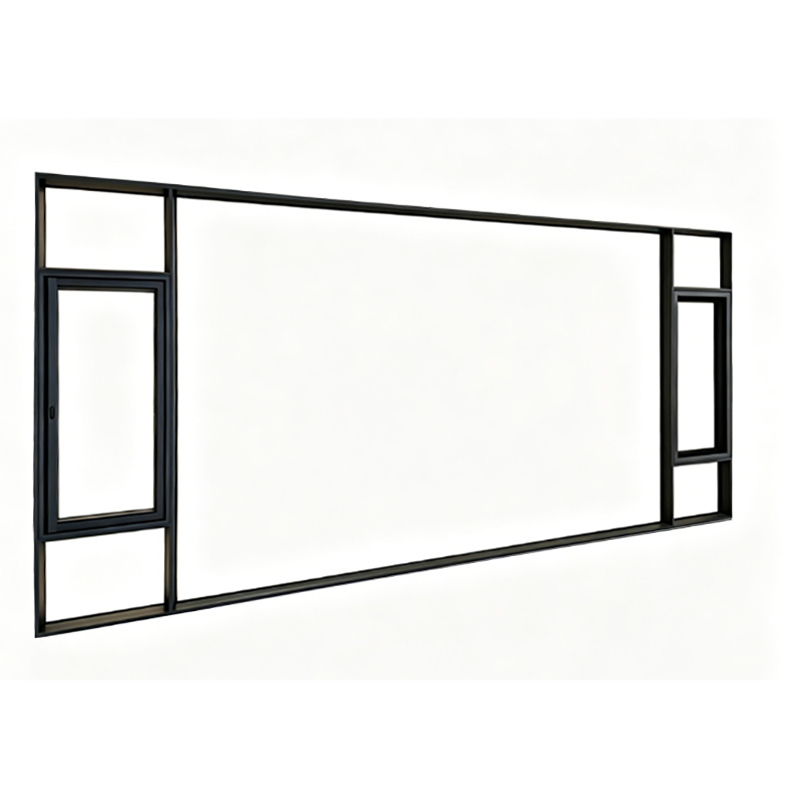
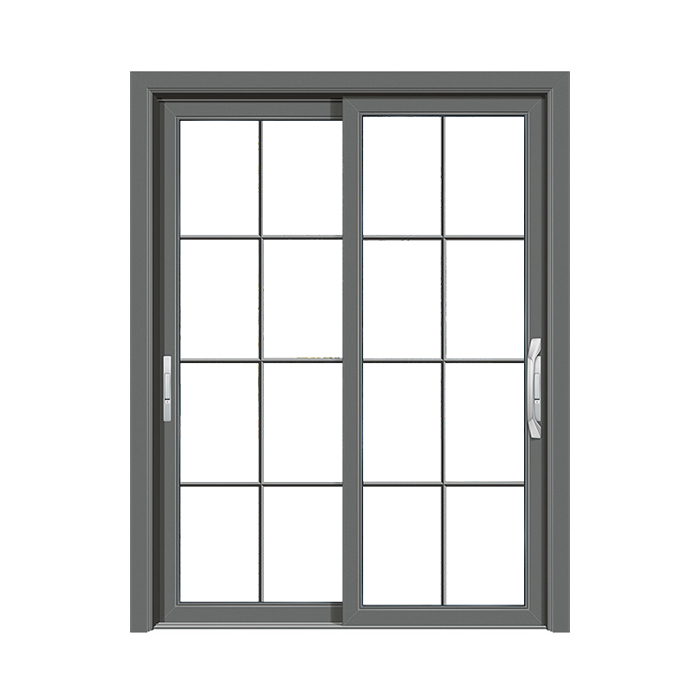
The true potential of horizontal sliding windows is fully realized when they are conceptualized as part of an integrated opening system alongside sliding doors. This design strategy creates fluid transitions between interior and exterior spaces, blurring boundaries and enhancing the sense of spatial freedom. A key to achieving this seamless integration is the consistent use of aluminium double glazing across all fenestration elements. Whether in a large sliding door or a series of horizontal sliding windows, the uniform thermal and acoustic performance of aluminium double glazing ensures comfort and efficiency are maintained throughout the space. The clean, modular lines of an aluminium glazed window system contribute to a minimalist aesthetic, allowing architectural volumes and landscapes to take center stage. For instance, a living area flanked by a bank of horizontal sliding windows on one side and a large sliding door on the other can be transformed into a semi-al fresco pavilion, with all openings operating smoothly on high-quality aluminum tracks. This holistic approach to facade design, centered on the compatibility between horizontal sliding windows, sliding doors, and aluminium double glazing, defines the next generation of responsive and elegant architectural envelopes.
Redefining Openings with Precision and Vision
The question posed at the outset finds its answer in the multifaceted benefits of modern fenestration systems. Horizontal sliding windows, empowered by robust aluminium double glazing and housed within precision aluminium glazed window frames, are far more than mere openings in a wall. They are dynamic components that manage light, ventilation, energy, and connection to the outdoors. Their inherent compatibility with sliding door systems allows architects and homeowners to design facades that are both visually striking and exceptionally functional. As we move towards more sustainable and human-centric built environments, the intelligent specification of systems like horizontal sliding windows with aluminium double glazing will continue to be a cornerstone of thoughtful, high-performance architectural design.
