

When it comes to home improvement, renovation, or new construction, one of the most frequently asked questions is: "What are the 3 types of doors?" Whether you're building a new house, upgrading your current living space, or simply curious about design options, understanding door types is essential for making informed decisions.
Doors are not just functional barriers—they define the character of a room, enhance security, improve energy efficiency, and even increase property value. With countless styles, materials, and mechanisms available, narrowing down the options can feel overwhelming. However, most doors fall into three primary categories based on their operation mechanism: swing doors, sliding doors, and folding doors. Each type serves distinct purposes and offers unique advantages for different spaces.
In this comprehensive guide, we'll explore these three door types in detail, helping you determine which solution best fits your needs. Whether you're searching for the perfect interior door to match your home decor, a space-saving solution for tight areas, or a statement piece for your entryway, this article covers everything you need to know.
Type 1 – Swing Doors (The Classic Choice)
What Are Swing Doors?
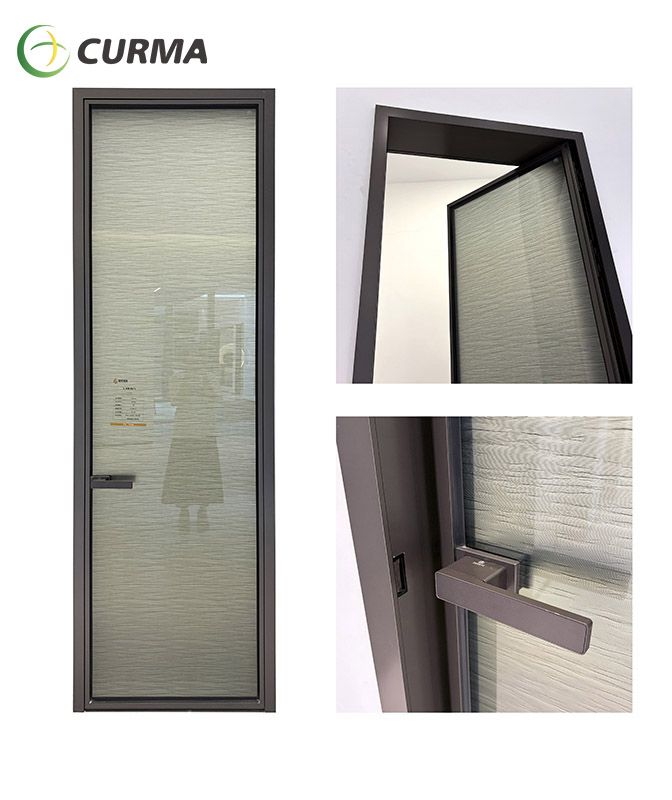
Swing doors are the most traditional and widely recognized type of door. They operate on hinges attached to one side of the door frame, allowing the door to swing open and closed in a circular motion. This category includes standard hinged doors found in nearly every home, from bedroom entrances to front entryways.
Swing doors are versatile, reliable, and available in countless designs, making them a top choice for both residential and commercial applications. Whether you need a solid wood interior door for privacy or a glass-paneled version for natural light flow, swing doors offer endless customization possibilities.

Advantages of Swing Doors
l Excellent sound insulation – Solid core swing doors effectively block noise, making them ideal for bedrooms, home offices, and bathrooms.
l Superior privacy and security – Traditional locking mechanisms are easily integrated, providing peace of mind.
l Wide design flexibility – Available in various materials (wood, MDF, fiberglass, steel) and finishes (painted, stained, laminated).
l Familiar and intuitive operation – No special training or instructions needed for everyday use.
Best Applications for Swing Doors
| Bedrooms | Solid-core wooden interior doors |
| Bathrooms | Frosted glass swing doors with privacy locks |
| Kitchens | Half-glass swing doors for visibility |
| Entryways | Steel or fiberglass exterior swing doors |
| Offices | Full-glass or wood-paneled swing doors |
Popular Swing Door Styles
l Panel doors – Classic design with recessed or raised panels.
l Flush doors – Smooth, minimalist surface for modern interiors.
l French doors – Double swing doors with glass panes, perfect for connecting rooms.
l Dutch doors – Split horizontally, allowing the top half to open independently.
Type 2 – Sliding Doors (The Space-Saving Solution)
What Are Sliding Doors?
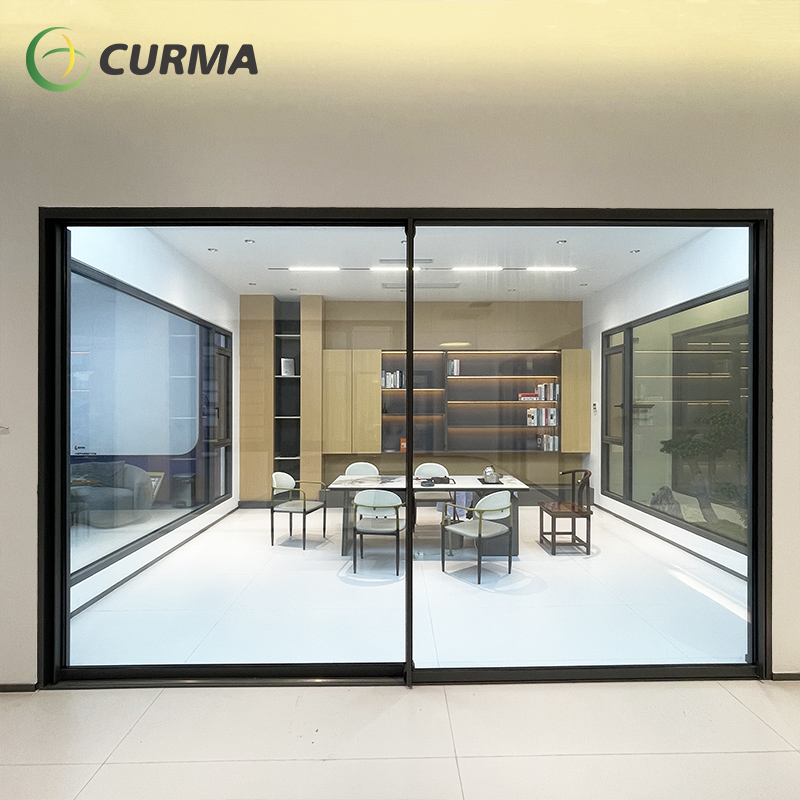
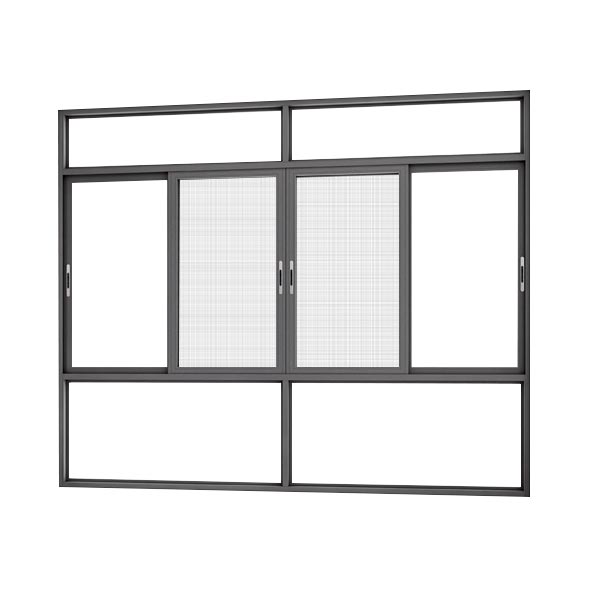
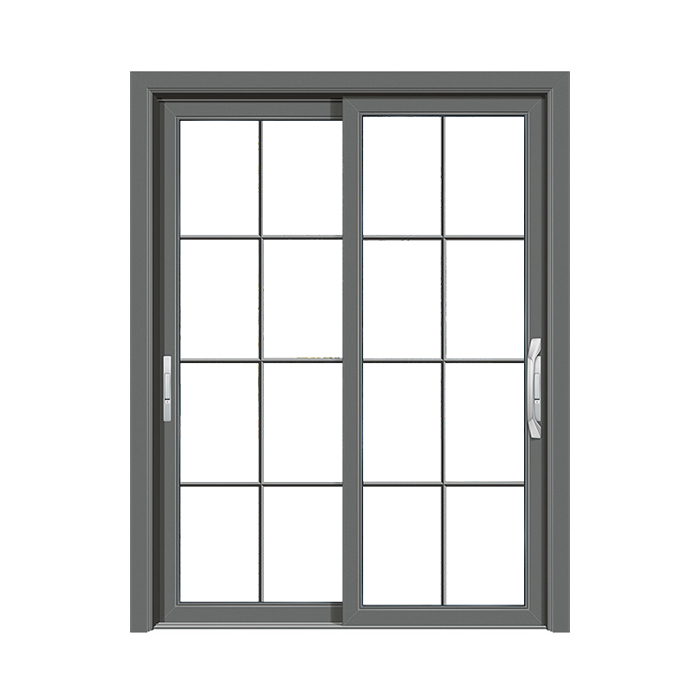
Sliding doors operate horizontally along a track system, with panels that glide past each other or slide into wall pockets. Unlike swing doors, they require no floor clearance and don't encroach on usable space, making them ideal for areas where every square foot counts.
Glass sliding doors, in particular, have become increasingly popular in modern architecture. These expansive glass panels flood interiors with natural light while providing seamless transitions between indoor and outdoor living spaces. However, sliding doors aren't limited to exterior applications—they're equally effective as interior door solutions for closets, room dividers, and pantry entrances.
Advantages of Sliding Doors
l Maximum space efficiency – No swing radius required, freeing up floor area for furniture and foot traffic.
l Abundant natural light – Glass sliding doors brighten rooms and create an airy, open atmosphere.
l Improved indoor-outdoor flow – Ideal for patios, decks, and garden access.
l Smooth, quiet operation – Modern roller systems ensure effortless gliding.
l Accessibility-friendly – Easy operation for people with mobility challenges.
Best Applications for Sliding Doors
| Patios/Decks | Glass sliding doors (2 or 3-panel) |
| Closets | Mirror or wooden sliding panels |
| Room dividers | Frosted glass sliding interior doors |
| Pantries | Compact sliding doors for narrow openings |
| Commercial spaces | Automatic glass sliding doors for high traffic |
Sliding Door Variations
l Pocket doors – Slide completely into the wall cavity, disappearing from view when open.
l Barn doors – Rustic sliding doors mounted on exposed tracks, adding character to interiors.
l Multi-slide doors – Multiple panels stack together, opening up large wall expanses.
l French sliding doors – Combine the aesthetics of French doors with sliding functionality.
Type 3 – Folding Doors (The Flexible Option)
What Are Folding Doors?
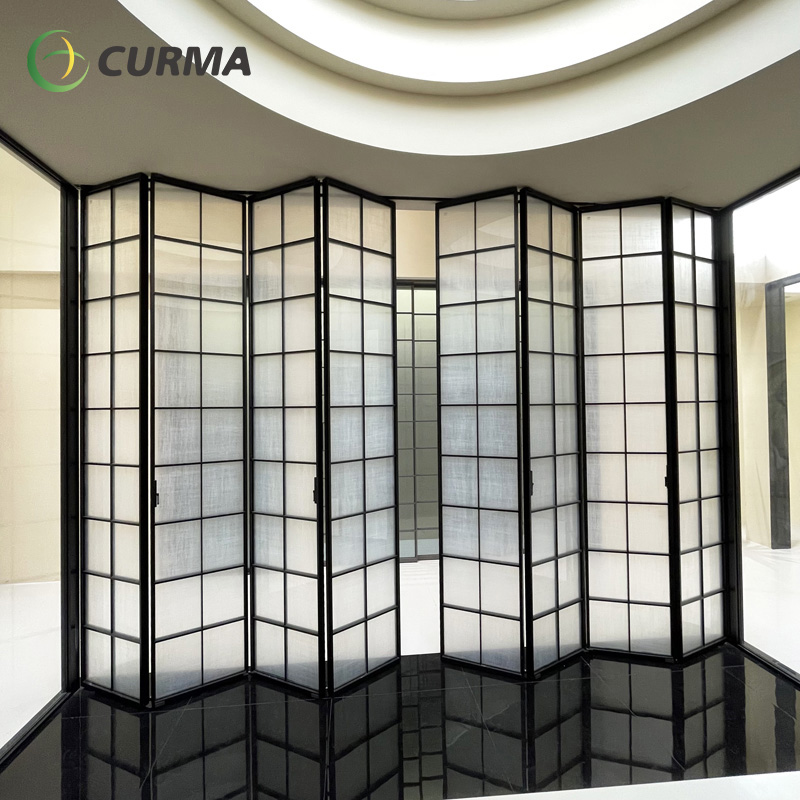
Folding doors, commonly known as bifold doors, consist of multiple panels hinged together that fold against each other like an accordion. They operate on a top-hung or bottom-rolling track system, allowing the entire door assembly to stack neatly to one or both sides when fully opened.
Bifold doors offer the widest possible opening among all door types, making them perfect for creating dramatic transitions between spaces. Whether you're connecting your living room to a garden or dividing a large room into smaller zones, folding doors deliver unparalleled flexibility.
Advantages of Folding Doors
l Maximum opening width – Nearly the entire doorway becomes accessible, ideal for moving furniture or hosting gatherings.
l Compact storage – Panels stack together, taking up minimal wall space when open.
l Versatile configurations – Available in 2, 3, 4, or more panel arrangements.
l Excellent ventilation – Can be partially opened for controlled airflow.
l Modern aesthetic appeal – Creates sleek, contemporary architectural statements.
Best Applications for Folding Doors
| Patios/Gardens | Large bifold door systems with thermal breaks |
| Room partitions | Interior bifold doors with acoustic seals |
| Wardrobes | Compact 2-panel bifold doors |
| Commercial venues | Glass folding doors for restaurants or shops |
| Garage conversions | Heavy-duty folding doors for workshop access |
Folding Door Variations
l Interior bifold doors – Lightweight panels for closets, laundry rooms, and pantries.
l Exterior bifold doors – Weather-sealed, thermally broken systems for outdoor use.
l Top-hung vs. bottom-rolling – Top-hung systems avoid floor tracks but require stronger headers; bottom-rolling systems are easier to install.
l Glass-paneled folding doors – Combine transparency with flexibility for modern spaces.
How to Choose the Right Door Type for Your Needs
Now that you understand the three main types of door categories, how do you decide which is right for your specific situation? Consider the following factors:
Space Constraints
v Tight spaces → Choose sliding doors or bifold doors to eliminate swing clearance requirements.
v Ample space → Swing doors offer classic appeal with no mechanical track maintenance.
Light Requirements
v Dark rooms → Opt for glass sliding doors or folding doors with glass inserts to maximize daylight.
v Privacy needs → Solid interior door options with swing operation provide better sound and visual isolation.
Traffic Flow
v High-traffic areas → Sliding doors and bifold doors handle frequent use efficiently.
v Occasional use → Swing doors are perfectly adequate and more cost-effective.
Architectural Style
v Modern/Contemporary → Glass sliding doors and bifold doors align with clean, minimalist aesthetics.
v Traditional/Classic → Paneled swing doors complement period properties beautifully.
Budget Considerations
| Door Type | Relative Cost | Installation Complexity | Maintenance |
| Swing Door | Low to Moderate | Simple | Low |
| Sliding Door | Moderate to High | Moderate | Moderate |
| Bifold Door | High | Complex | Moderate to High |
FAQ
What are the 3 types of doors most common in homes?
The three most common types of door found in residential properties are swing doors (hinged), sliding doors, and bifold doors. Each serves distinct purposes—swing for privacy, sliding for space efficiency, and folding for maximum openings.
Which type of interior door is best for soundproofing?
Solid-core swing doors provide the best sound insulation among the three types. Their tight seals and dense materials effectively block noise transmission, making them ideal for bedrooms, home theaters, and recording spaces.
Are glass sliding doors energy efficient?
Modern glass sliding doors with double or triple glazing and thermal breaks can achieve excellent energy ratings. Look for Low-E coatings and argon gas fills to minimize heat transfer and reduce utility costs.
Can bifold doors be used as interior doors?
Absolutely! Interior bifold doors are widely used for closets, pantries, laundry rooms, and as room dividers. Their compact folding action makes them perfect for spaces where traditional doors would be impractical.
Which door type is easiest to install?
Swing doors are the simplest to install, requiring only standard hinge mounting and basic carpentry skills. Sliding doors and bifold doors demand more precision with track alignment and leveling, often requiring professional installation.
Conclusion:
Selecting the Perfect Door for Your Project
Understanding what the 3 types of doors—swing, sliding, and folding—empowers you to make confident decisions for your home or commercial project. Each category offers unique benefits tailored to different spaces, aesthetic preferences, and functional requirements.
Swing doors remain the timeless choice for privacy, security, and classic design. Their versatility as an interior door solution makes them suitable for virtually any room.
Glass sliding doors transform spaces by inviting natural light and creating seamless connections to the outdoors. They're the go-to option for patios, decks, and modern interiors.
Bifold doors offer ultimate flexibility, opening up entire walls and maximizing usable space. Their dramatic impact and contemporary appeal continue to grow in popularity among architects and homeowners alike.
By evaluating your space constraints, lighting needs, traffic patterns, and design goals, you'll easily identify the ideal door type for every opening. Whether you're renovating a single room or designing an entire building, remember that the right types of door can significantly enhance both functionality and aesthetics.
Take your time to explore materials, finishes, and hardware options within each category. Consult with professional door suppliers and installers to ensure proper measurements, specifications, and installation techniques. With careful planning, your chosen doors will provide years of reliable performance and visual enjoyment.
