
When planning a new home construction or a renovation project, one of the most critical decisions you will face is selecting the right windows. Windows are not just openings in the wall—they define your home's character, influence energy efficiency, and impact your daily comfort. With so many options available, understanding the fundamental different types of windows is the first step toward making an informed choice.
In this comprehensive guide, we break down the four primary window styles that dominate the residential market. Whether you are an architect, a builder, or a homeowner, this article will help you navigate the features, benefits, and best-use scenarios for each type. By the end, you will have a clear understanding of which style suits your needs best.
The 4 Main Types of Windows Explained
While the market offers countless variations, the vast majority of residential windows fall into four core categories based on their operation and design. These are the different types of windows that every property owner should know: Casement window, Sliding windows, Awning Window, and Picture Window. Each offers distinct advantages in terms of ventilation, aesthetics, and functionality.
1. Casement Window – The Versatile Performer
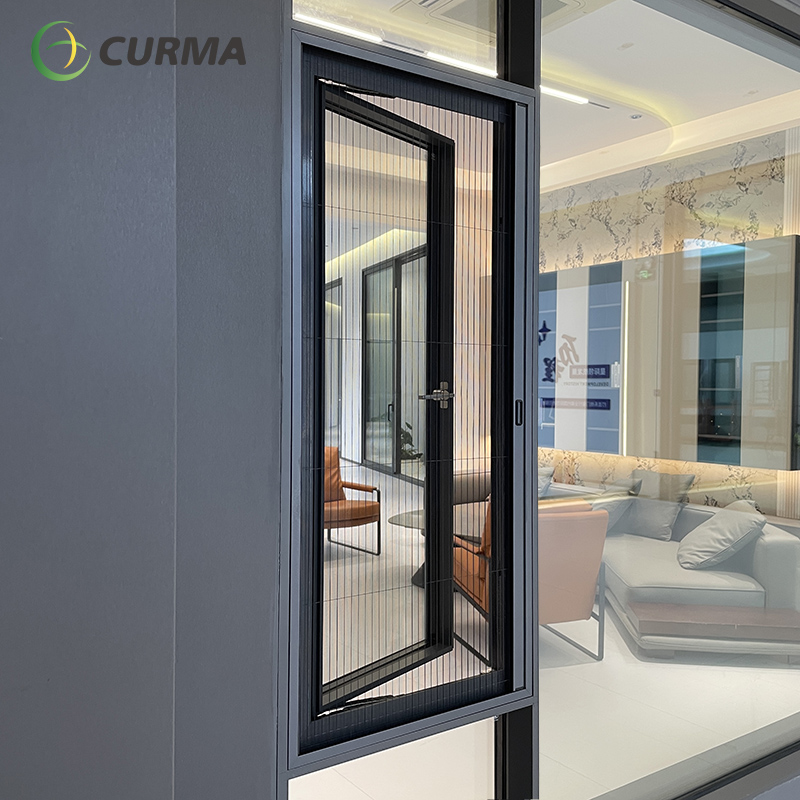
The Casement window is one of the most popular choices among modern homeowners, and for good reason. Unlike traditional sliding designs, a Casement window is hinged at the side and opens outward like a door, operated by a hand crank. This mechanism allows the sash to swing fully open, capturing side breezes and directing fresh air into the room.
Why Choose a Casement Window?
Ø Superior Ventilation: Because the entire sash opens outward, a Casement window offers unobstructed airflow, making it ideal for kitchens and living areas.
Ø Excellent Energy Efficiency: When closed, the sash presses tightly against the frame, creating an airtight seal that minimizes drafts and reduces energy loss.
Ø Clear Views: Without a central mullion (vertical bar), this style provides an unobstructed panorama of the outdoors.
Ø Easy Operation: The crank mechanism makes it accessible even in hard-to-reach places like above kitchen sinks.

Best Applications for Casement Windows
The Casement window excels in rooms where cross-ventilation is key. It is also a top choice for contemporary architectural designs. However, because it swings outward, ensure there is no obstruction from pathways, patios, or adjacent walls. When comparing the different types of windows for a custom home, the Casement window often ranks highest for performance and durability.
2. Sliding Windows – The Space-Saving Classic
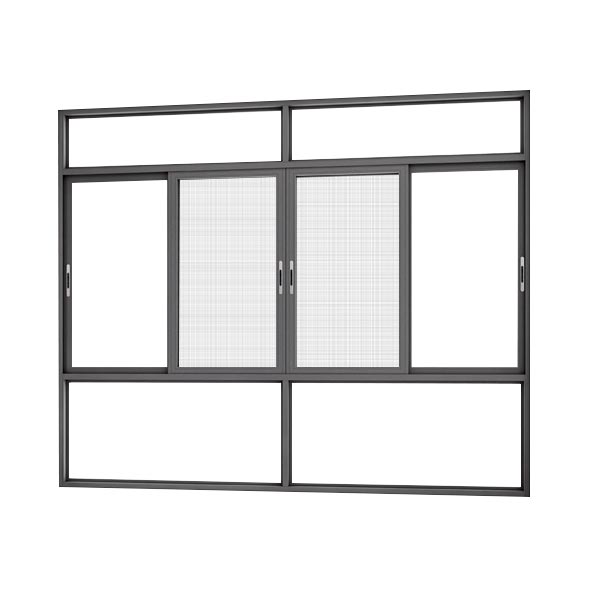
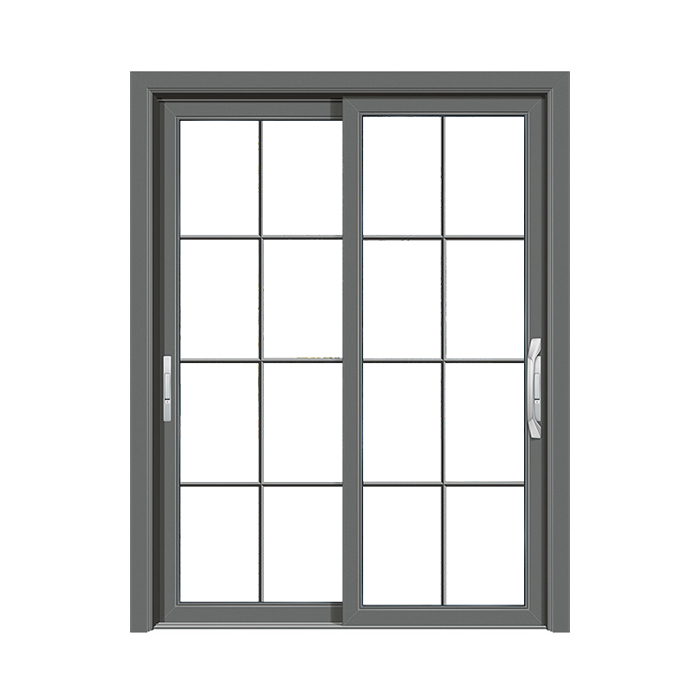
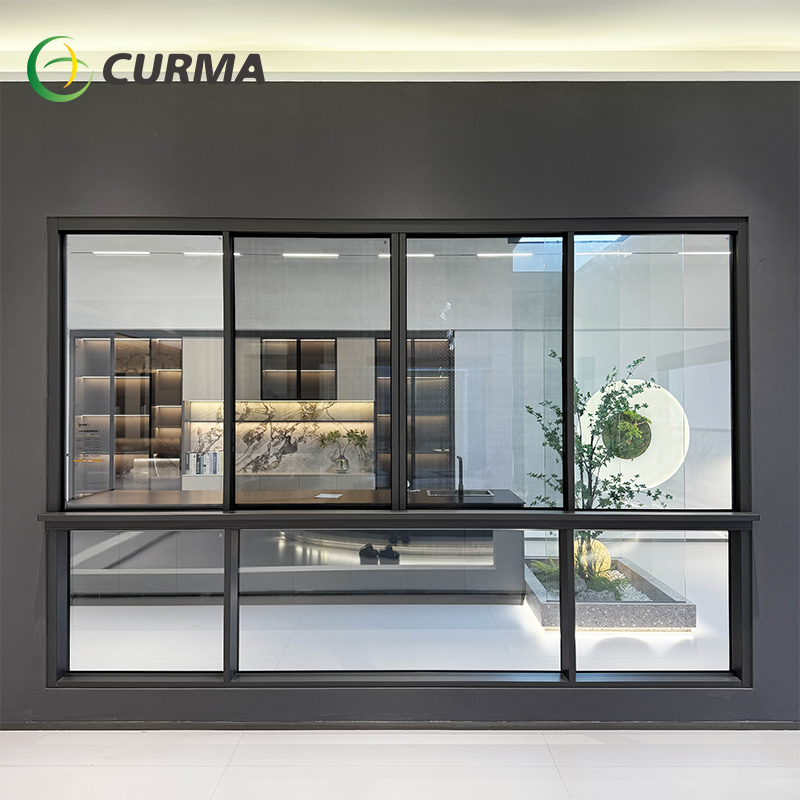
If you are looking for a practical and cost-effective solution, sliding windows are a timeless option. Also known as gliding windows, sliding windows feature sashes that move horizontally along tracks. They do not protrude inward or outward, making them perfect for areas where space is at a premium.
Key Benefits of Sliding Windows
Ø Space Efficiency: Since they slide horizontally, sliding windows are ideal for patios, porches, and rooms facing walkways where an outward swing would be problematic.
Ø Ease of Use: The simple sliding mechanism requires minimal effort and has fewer moving parts than crank-operated styles, reducing long-term maintenance.
Ø Affordability: Compared to other different types of windows, Sliding windows are generally more budget-friendly while still offering decent energy performance.
Ø Modern Aesthetics: Wide panes of glass in sliding windows create a sleek, contemporary look that complements both traditional and minimalist homes.
Where to Install Sliding Windows
Sliding windows are best suited for wider openings rather than tall ones. They are frequently installed in basements, dormers, and rooms that face swimming pools or gardens. When evaluating the different types of windows for a coastal home, sliding windows with impact-resistant glass are a smart choice due to their robust framing options.
3. Awning Window – The All-Weather Protector
The Awning Window is a unique and highly functional design that is hinged at the top and opens outward from the bottom. This creates an awning-like slope that shields the interior from rain while still allowing fresh air to enter. Among the different types of windows, the Awning Window stands out for its exceptional weather resistance.
Advantages of an Awning Window
Ø Rainy-Day Ventilation: One of the biggest advantages of an Awning Window is its ability to remain open during light rain without water seeping inside. This makes it a favorite in climates with frequent showers.
Ø Enhanced Security: Because the hinge is at the top, the opening gap is at the bottom, making it difficult for intruders to access from the outside.
Ø Energy Efficiency: When closed, the Awning Window compresses against the frame, creating a strong seal that reduces heat transfer.
Ø Versatile Placement: These windows can be installed individually or paired with fixed glass panels for a customized look.

Ideal Uses for Awning Windows
An Awning Window is often placed high on walls to provide privacy while maintaining ventilation. Bathrooms and laundry rooms benefit greatly from this style. Additionally, when combined with Picture Window units, an Awning Window can provide a dramatic architectural statement. When exploring the different types of windows for eco-friendly homes, the Awning Window frequently appears due to its excellent air-tightness.
4. Picture Window – The Frame for Your View
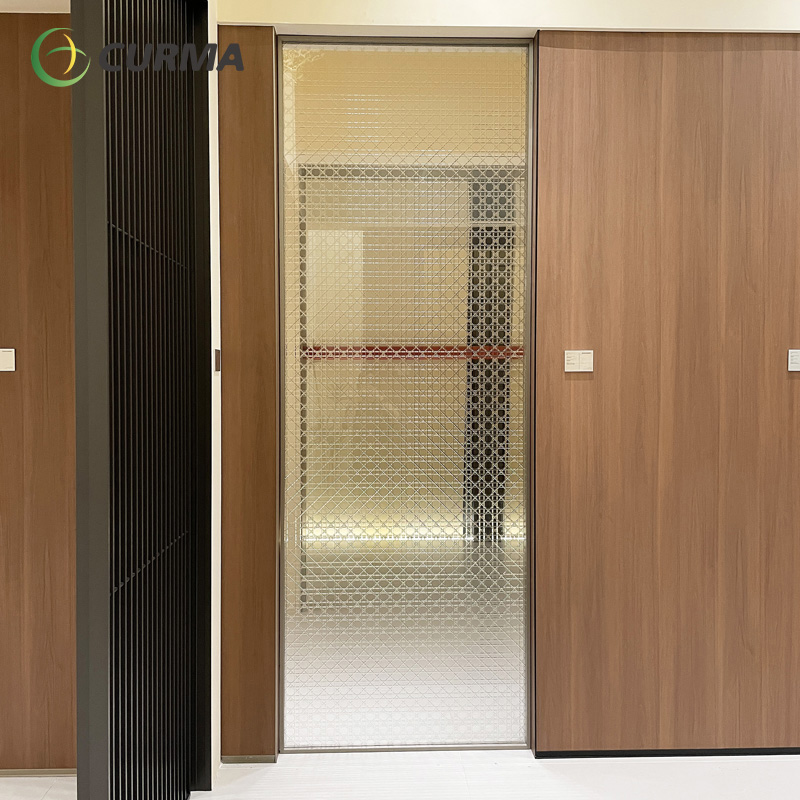
For those who prioritize natural light and stunning vistas above all else, the Picture Window is the ultimate choice. As the name suggests, a Picture Window is designed to frame outdoor scenery like a work of art. Unlike the other different types of windows discussed, a Picture Window is fixed—it does not open at all.
Why Install a Picture Window?
Ø Unmatched Panoramic Views: Without any hardware, mullions, or operable sashes, a Picture Window offers the clearest and most expansive view possible.
Ø Maximum Daylight: This style allows the most natural light to flood into a room, reducing the need for artificial lighting during the day.
Ø Superior Insulation: Because there are no moving parts, a Picture Window provides the highest level of airtightness among all different types of windows, translating to lower heating and cooling costs.
Ø Timeless Elegance: The simplicity of a Picture Window complements any architectural style, from rustic cabins to ultra-modern skyscrapers.
Placement and Considerations for Picture Windows
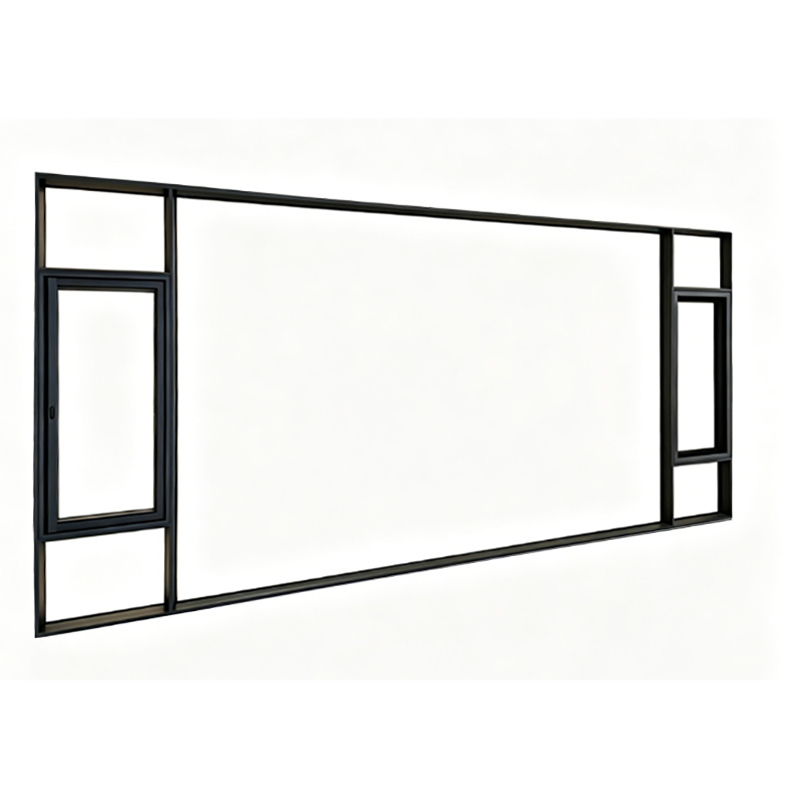
A Picture Window is typically installed in living rooms, dining areas, or any space where the focal point is the outdoor landscape. However, because it is inoperable, it should be paired with other different types of windows, like a Casement window or Awning Window for ventilation. For instance, a large Picture Window flanked by two Casement window units is a classic and functional design that balances beauty with practicality.
How to Choose Among the Different Types of Windows
With a clear understanding of these four styles, how do you decide which one is right for your project? Here is a quick comparison to guide your decision:
| Criteria | Casement Window | Sliding Windows | Awning Window | Picture Window |
| Ventilation | Excellent | Good | Moderate (weather-safe) | None |
| Energy Efficiency | Very High | Moderate | High | Very High (best) |
| Space Requirement | Needs exterior clearance | No projection | Needs exterior clearance | No projection |
| View Clarity | Excellent (no central bar) | Good (with frames) | Good | Exceptional |
| Maintenance | Low | Very Low | Low | Very Low |
| Cost | Higher | Lower | Moderate | Moderate to High |
Conclusion – The Right Window for Every Home
The world of windows is diverse, but the four primary styles—Casement window, Sliding windows, Awning Window, and Picture Window—cover the vast majority of residential needs. Each of these different types of windows brings a unique set of strengths to the table:
l Choose a Casement window for maximum airflow and modern aesthetics.
l Opt for sliding windows when space efficiency and budget are your priorities.
l Select an Awning Window if you live in a rainy climate and need secure ventilation.
l Install a Picture Window to capture breathtaking views and flood your home with light.
Ultimately, the best approach is often to mix these different types of windows throughout your home. A combination of operable and fixed units creates a dynamic living environment that is both functional and visually appealing. Before making a purchase, consult with a window specialist to evaluate your climate, building orientation, and personal preferences. By doing so, you will ensure that your investment enhances your property's value, comfort, and beauty for decades to come.
