

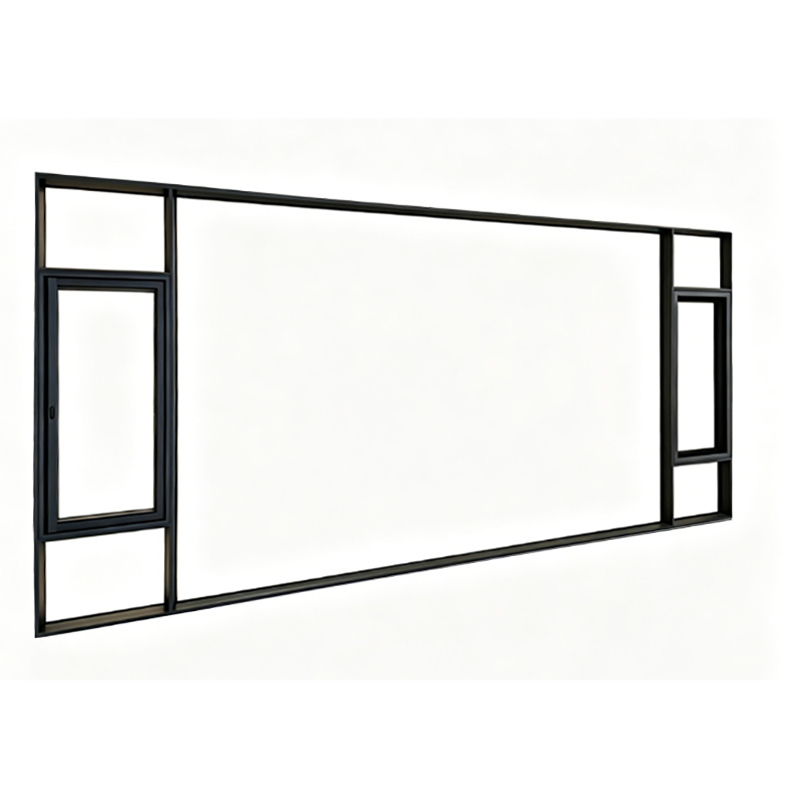
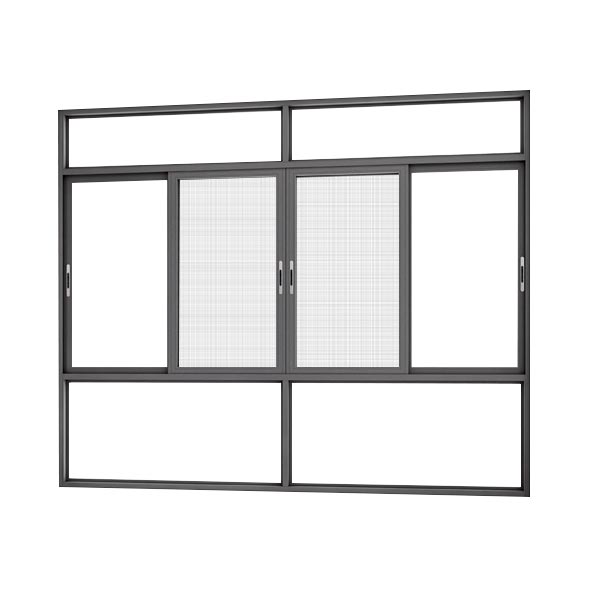
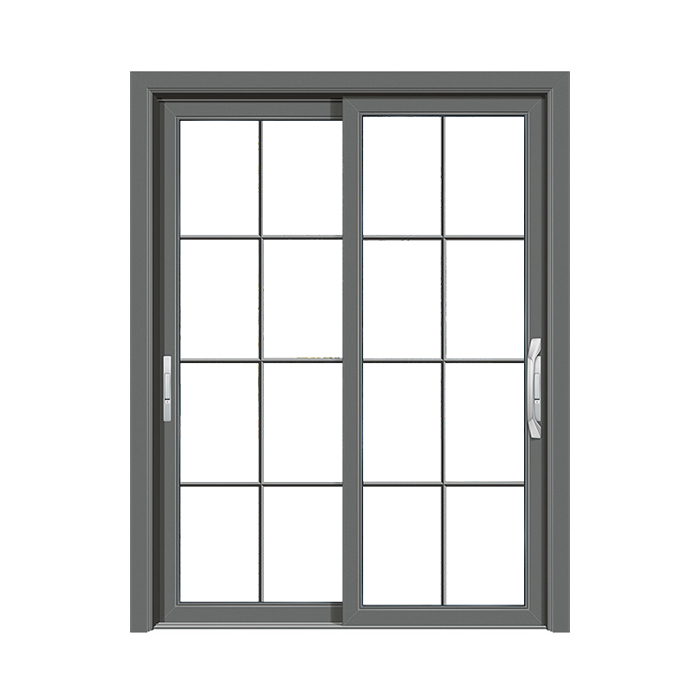
Rainy seasons bring frequent downpours and high humidity, making water tightness a crucial factor for evaluating window quality. But what exactly is water tightness? Water tightness refers to a window’s ability to prevent rainwater, dew or other moisture from seeping into the indoor space through gaps or joints. A window with excellent water tightness is essential for a comfortable home, as poor water tightness can lead to wall mold, furniture damage and indoor humidity issues. Sliding windows, especially waterproof sliding windows, are well-known for their superior water tightness, and this advantage mainly comes from high-performance weatherstripping and scientific structural drainage design, paired with high-quality modern window frames.
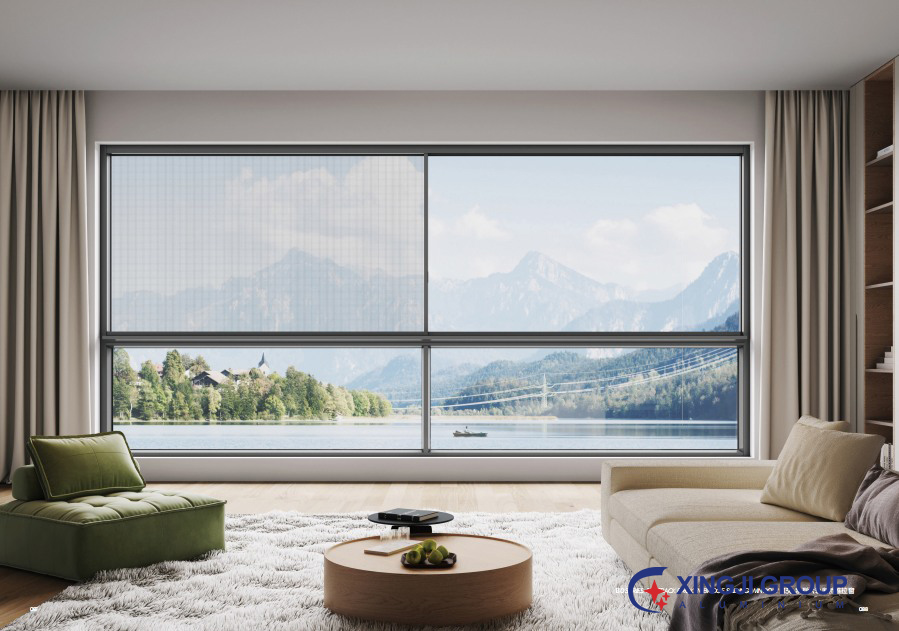
Water Tightness: The Key Criterion for High-Quality Sliding Windows
Water tightness is not just an additional function of sliding windows, but a core indicator of their quality. For homeowners, a sliding window with good water tightness can effectively block rainwater infiltration during heavy rains, protecting the indoor environment from moisture damage. Without reliable water tightness, even the most stylish sliding windows will lose their practical value. Waterproof sliding windows, which focus on water tightness performance, are designed to cope with various rainy conditions, and their excellent performance is closely related to modern window frames and weatherstripping. In short, water tightness directly determines the durability and usability of sliding windows, making it an indispensable consideration when choosing windows.
Weatherstripping: The Core Factor for Sliding Windows’ Superior Water Tightness
The reason why sliding windows can maintain superior water tightness, especially waterproof sliding windows, is largely due to the high-performance weatherstripping installed on them. Weatherstripping is a sealing component installed between the sash and modern window frames of sliding windows, acting as a "waterproof barrier" to block rainwater from seeping through gaps. High-quality weatherstripping used in waterproof sliding windows is made of water-resistant and durable materials, which can closely fit the modern window frames and sash, forming a tight seal. Unlike low-quality weatherstripping that is easy to age and deform, the weatherstripping of high-quality sliding windows can adapt to temperature and humidity changes, maintaining good sealing performance for a long time, thus ensuring the overall water tightness of sliding windows.
Structural Drainage Design: How Sliding Windows Discharge Rainwater
In addition to weatherstripping, the structural drainage design of sliding windows is another key to maintaining superior water tightness. High-quality sliding windows, including waterproof sliding windows, are equipped with a scientific drainage system on their modern window frames. Generally, sliding windows adopt a "double-track drainage" structure: the outer track is designed with drainage holes, and the inner track is higher than the outer track to form a water-retaining barrier. When rainwater falls on the sliding windows, it first flows into the outer track, then is quickly discharged outdoors through the drainage holes, avoiding water accumulation on the modern window frames. The close fit between weatherstripping and modern window frames further prevents residual rainwater from seeping into the room, forming a double protection with the drainage structure to ensure sliding windows remain dry and waterproof even during heavy rains.
