
As February unfolds with its characteristic blend of lingering winter chills and early spring unpredictability, homeowners face the ongoing challenge of maintaining indoor comfort. In this transitional period, the role of windows becomes critically important. Specifically, residential casement windows – with their distinct casement style of operation – offer a unique set of advantages when optimized with modern materials and engineering. This exploration delves into how advanced casement window systems can effectively manage the fluctuating conditions of late winter, providing a stable, comfortable, and energy-efficient home environment.
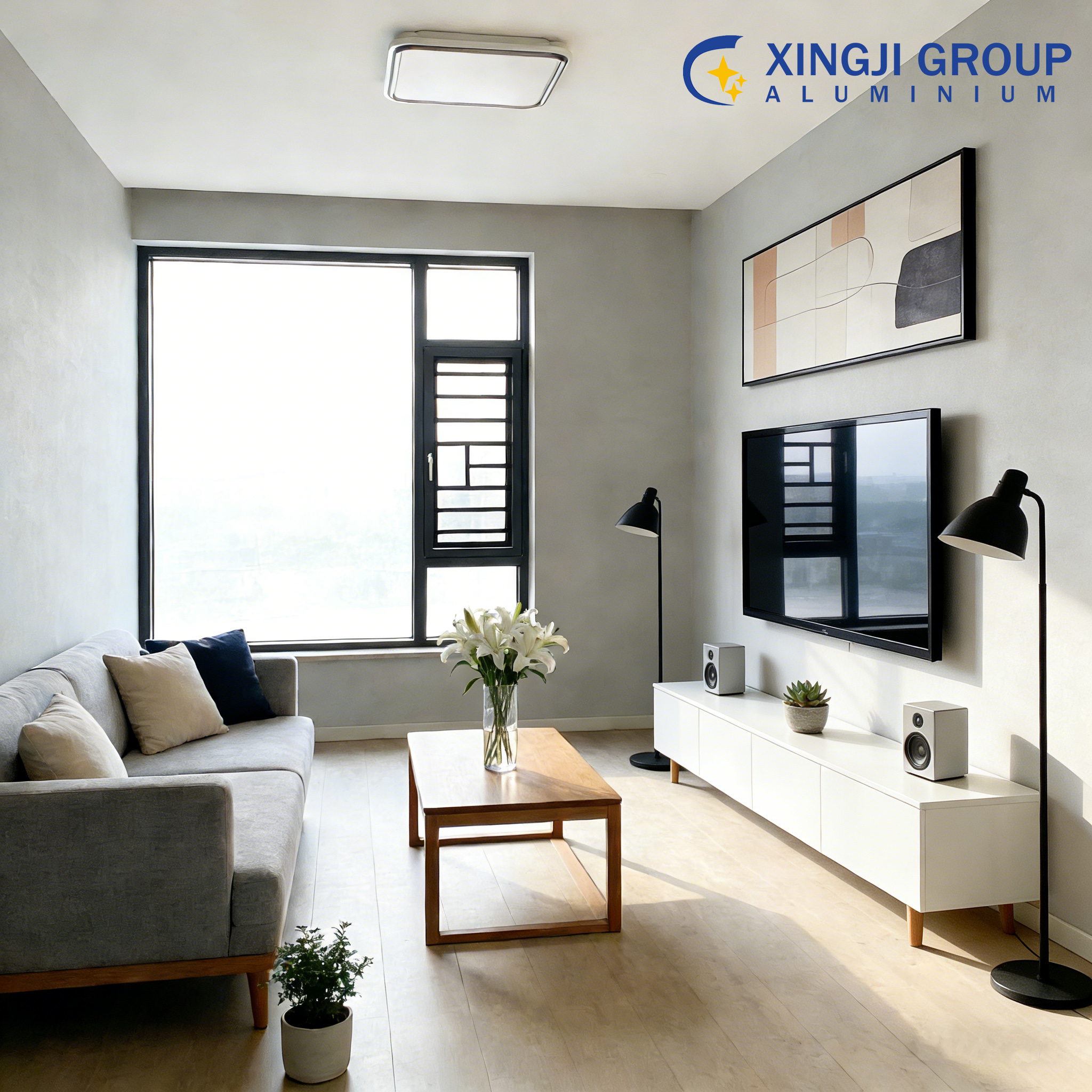
I. Engineering for Thermal Stability: The Core Role of Advanced Materials
The fundamental challenge in February is balancing indoor warmth against cold external air and mitigating heat loss. This is where the inherent design of the casement style, which presses the entire sash securely against the frame upon closing, provides a superior initial seal. Optimizing this natural advantage requires integration with high-performance materials. The implementation of thermal break aluminium technology is transformative. This system incorporates a rigid polyamide barrier within the window's aluminium profile, effectively separating the interior and exterior metal and drastically reducing thermal conductivity. In the face of February’s temperature swings, windows built with thermal break aluminium create a robust thermal barrier, minimizing unwanted heat transfer and helping maintain a consistent indoor temperature. This leads directly to reduced energy expenditure on heating, making such an upgrade not only a comfort consideration but also an economically sound decision for enduring winter utility costs. Furthermore, these performance features are increasingly accessible within ranges of affordable aluminum windows, bringing high-efficiency comfort within reach for a broader spectrum of homeowners.
II. Beyond Temperature: Creating a Sealed Sanctuary Against the Elements
February's weather brings more than just cold; it often delivers wind, rain, and noise. A truly optimized casement window must address these multipolar challenges holistically. The compression seal of a quality casement style window is inherently effective against wind-driven rain, but its performance can be elevated further. For urban or suburban settings, integrating the principles of soundproof aluminium windows is key. This involves specialized engineering such as laminated glass panes, asymmetrical air gaps within insulated glass units, and multiple peripheral sealing gaskets. These features work in concert to dampen sound vibrations, creating a noticeably quieter interior space that buffers against the sound of winter winds, rain, and external activity. When seeking such comprehensive performance, homeowners will find that modern manufacturers offer solutions that blend thermal break aluminium for climate control with soundproof technologies for acoustic comfort, all available in competitively priced affordable aluminum windows series. This combination ensures the window acts as a full-spectrum shield, turning the home into a tranquil sanctuary regardless of the weather's tumult outside.
III. Adaptive Ventilation and Long-Term Value in Design
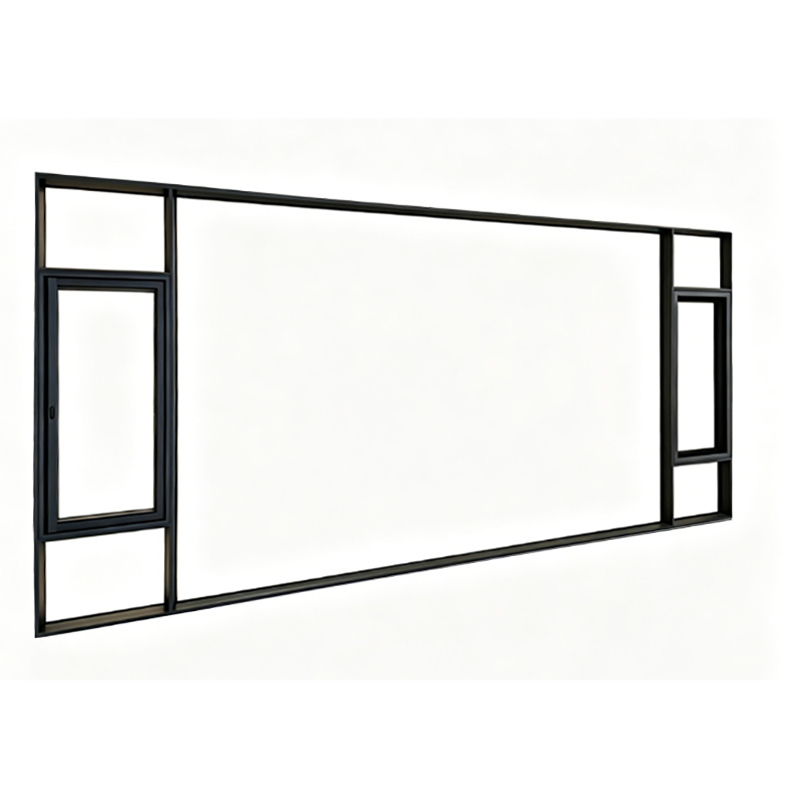
Coping with changeable weather also requires control over air quality and ventilation during milder February intervals. The casement style excels here through its versatile opening mechanism. When unlocked and cranked open, the window sash swings outward, catching side breezes and promoting effective whole-room air exchange—a feature superior to simple sliding windows. This allows for fresh air intake during brief warm spells without compromising security or weather tightness. The long-term value proposition of investing in optimized residential casement windows is significant. The durability of thermal break aluminium structures resists warping and corrosion, while the finishes on affordable aluminum windows are designed for longevity with minimal maintenance. The cumulative benefits of enhanced energy efficiency (from thermal break aluminium), improved acoustic comfort (from soundproof design), and adaptable ventilation solidify the casement window's role as a cornerstone of a resilient, comfortable, and cost-effective home. It is a strategic upgrade that pays dividends in comfort throughout February’s fluctuations and across all seasons that follow.
In conclusion, navigating February’s capricious weather demands more than a basic window. It calls for an intelligently optimized system. The casement style, when engineered with thermal break aluminium for superior insulation and designed with features of soundproof aluminium windows, provides a formidable defense against cold, noise, and moisture. The fact that these advanced performance characteristics are now integral to many lines of affordable aluminum windows makes this solution both practical and accessible. By choosing such optimized residential casement windows, homeowners can secure a stable, quiet, and energy-efficient living environment, effectively turning their homes into a comfortable haven ready to withstand the whims of late winter and beyond.
