
As January's deep winter arrives, waves of cold fronts are testing every household's living comfort and energy bills. During this peak traditional heating season, many residents find persistent cold zones indoors despite continuous heating operation. Building energy experts note that unoptimized exterior windows often constitute the largest "culprit" for heat loss, accounting for over 30% of a building's total thermal dissipation. In such conditions, ordinary sliding window vulnerabilities become evident—aged sealing strips, thin glazing configurations, and deteriorating sashes collectively form fragile boundaries in home insulation systems..
Many households now face crucial decisions: continue enduring high annual winter heating costs or invest in systemic upgrades that fundamentally address the problem. Professional market analysis indicates growing homeowner interest in horizontal sliding system upgrade solutions, particularly sliding window replacement projects that significantly enhance insulation performance. When outdoor temperatures drop below freezing, a high-quality sliding window sash replacement project can improve indoor thermal environment stability by over 40%—representing not only enhanced comfort but substantial energy savings.
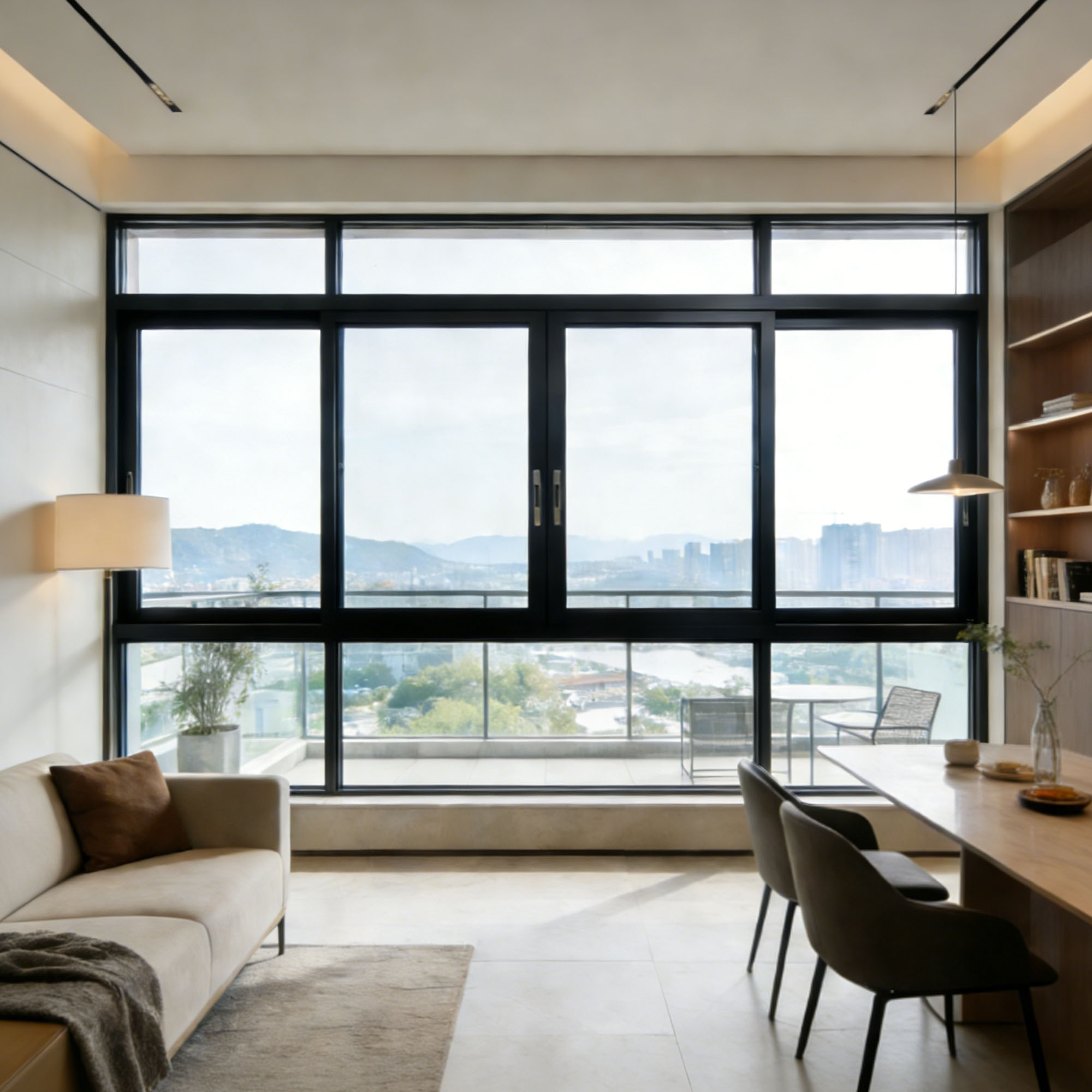
Modern architectural technology has brought revolutionary improvements to horizontal sliding windows. New-generation insulated gliding windows achieve over threefold thermal performance enhancement through multiple integrated technologies:
1. Multi-Layer Sealing Systems
Utilizing three independent sealing strips creates gradient air pressure barriers between window sashes and tracks. This design effectively prevents air infiltration, upgrading airtightness from traditional sliding window Class 4 to Class 8 standards. Specially optimized corner connection processes eliminate common air leakage points, ensuring continuous perimeter sealing around entire window frames.
2. Thermal Break Profile Structures
Multi-chamber thermal break aluminum profiles establish continuous thermal barriers between interior and exterior aluminum components. Professional testing indicates such structures reduce linear thermal transfer coefficients (Ψ-values) by 65% compared to ordinary profiles, fundamentally decreasing heat loss through window frames.
When these technologies are applied to aluminum window slider replacement projects, the resulting energy-saving effects become particularly notable. Actual project data shows that upgraded residential systems can maintain over 25℃ indoor-outdoor temperature differentials at -10℃ environments, while reducing cold radiation intensity in window areas by 70%—completely eliminating the vicious cycle of "colder windows, colder interiors" associated with traditional gliding windows.
Many homeowners perceive sliding window sash replacement as simple component renewal, but in reality this should constitute a systematic project. Professional aluminum window slider replacement services encompass three crucial phases:
Diagnostic Assessment Phase: Thermal imaging detects existing window thermal deficiencies, measuring frame deformation data, analyzing building orientation relative to local prevailing winds, and developing personalized insulation enhancement plans. This phase often identifies structural issues undetectable through traditional visual inspections.
System Matching Phase: Selecting optimal gliding windows configurations based on architectural characteristics. For instance, high-rise buildings require enhanced wind pressure resistance designs; cold regions prioritize triple-glazing configurations; humid environments demand special drainage system considerations. Professional replacement plans customize solutions for each window opening rather than offering "one-size-fits-all" products.
Performance Verification Phase: Post-installation on-site air/water tightness testing ensures design standard compliance. Long-term performance monitoring services track actual winter energy-saving data, transforming promises into verifiable conservation outcomes.
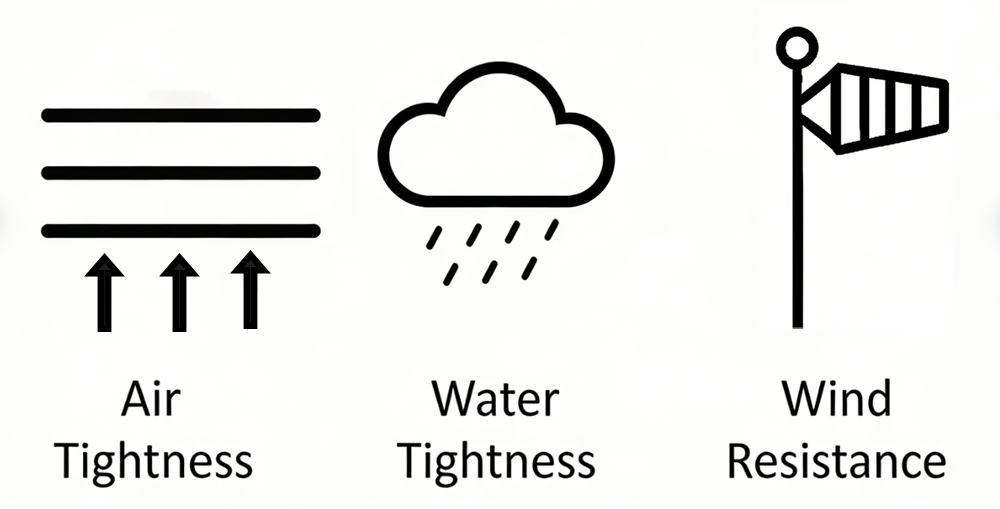
As green building standards gain global traction, high-quality gliding windows are transitioning from premium options to residential essentials. This winter, when cold fronts strike again, households that have completed aluminum window slider replacement will experience distinctly different indoor environments—stable uniform temperature distribution, significantly reduced energy consumption, and living quality unaffected by outdoor cold. This represents not merely window upgrades but lifestyle evolution.
When sensing January's chill permeating your home, perhaps you should reevaluate those seemingly functional horizontal sliding windows. A professional diagnosis may reveal unexpected thermal deficiencies, while a well-designed sliding window sash replacement plan will deliver ongoing returns for dozens of winters to come. In this era of intensifying energy price volatility, investing in building envelope insulation performance means constructing the most reliable economic defense for your household.
