
In the specification of architectural fenestration, the relationship between product quality and cost often presents a complex equation. This is particularly evident in the market for aluminum frame casement windows, where a narrow focus on the initial aluminium casement window price can obscure a more critical assessment of long-term performance and value. As modern building standards increasingly emphasize durability, energy efficiency, and lifecycle cost, a sophisticated understanding of what differentiates premium swing windows from basic offerings becomes essential. The true cost of a window is not merely its purchase price but its total contribution—or liability—over the operational life of a building.
Deconstructing Price Composition – Looking Beyond the Initial Cost of Aluminum Profiles
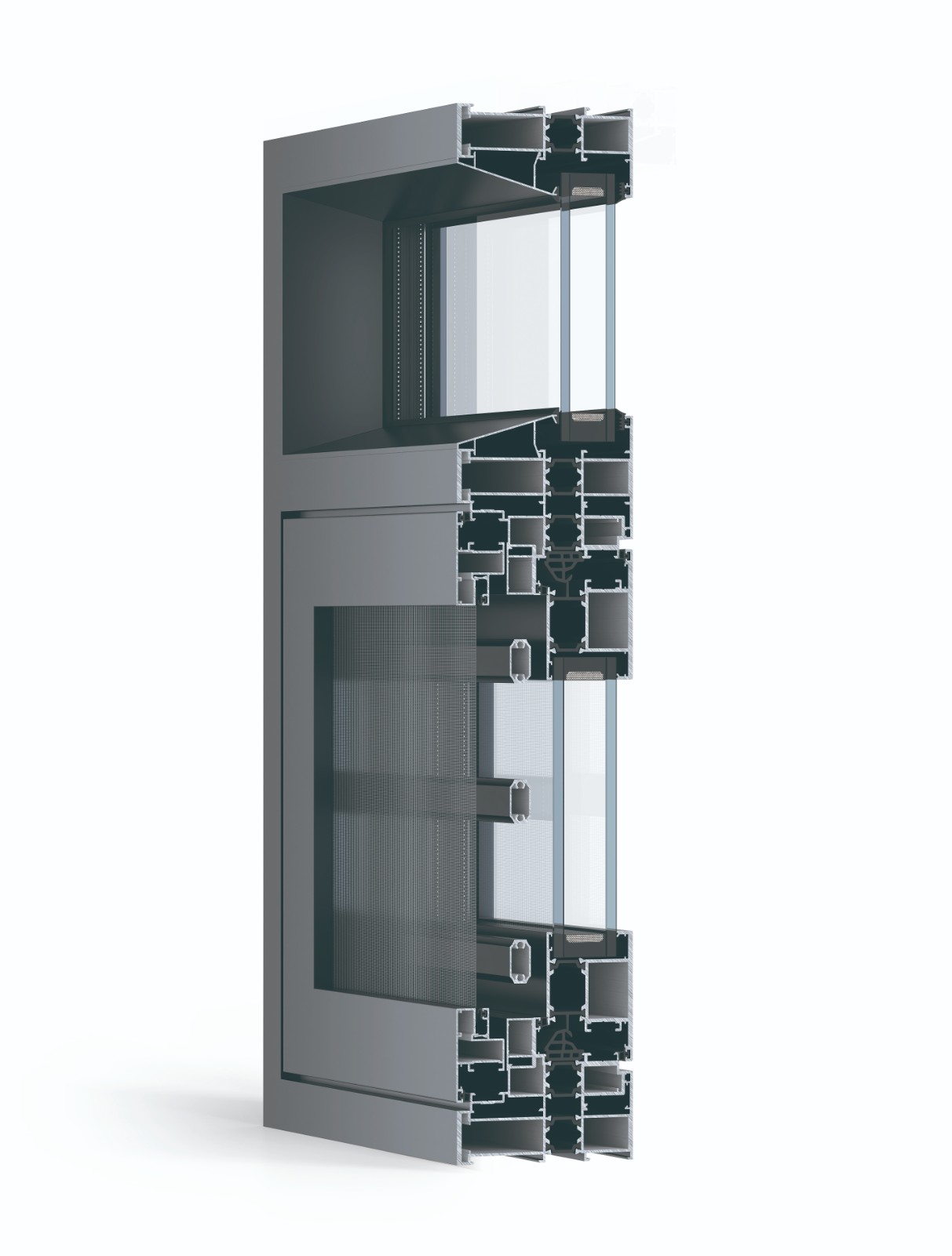
The quoted aluminium casement window price is a composite figure influenced by multiple technical and manufacturing factors. While the cost of aluminum extrusions forms a base, the defining value of high-performance aluminum frame casement windows is engineered into critical components often invisible in a simple quote. This includes the design and integrity of the thermal break system, the quality of the multi-point locking hardware, the specification of seals (EPDM vs. generic rubber), and the type of glazing (double or triple low-E argon-filled units). A competitively low initial price for swing windows may indicate compromises in these areas, potentially leading to higher energy bills, frequent maintenance, and premature failure. Therefore, a transparent evaluation requires dissecting the price to understand what each component contributes to the window's performance, durability, and, ultimately, the owner's total cost of ownership.
Casement Windows as Long-Term Assets – A Cross-Cycle Measure of Price and Performance
The most significant financial consideration for aluminum frame casement windows is not the purchase price but their performance over a 25-to-30-year lifecycle. Premium swing windows act as a capital asset for the building envelope. Their superior air and water tightness, achieved through precision engineering, directly reduces heating and cooling loads, generating ongoing utility savings that can offset a higher initial aluminium casement window price. Conversely, windows selected solely on low cost may incur "soft costs" through increased energy consumption, comfort complaints, and more frequent service calls. When these operational expenses are factored into a lifecycle cost analysis, the value proposition shifts dramatically. The investment in quality aluminum frame casement windows transforms from an upfront cost into a long-term hedge against operational inefficiency and component failure, justifying a price premium through measurable financial and functional returns over time.
From Price Tag to Value Profile – Establishing an Intelligent Procurement Framework for Casement Windows
Moving beyond a singular focus on aluminium casement window price requires a disciplined procurement framework that evaluates value holistically. This involves defining clear performance benchmarks—such as specific U-values, air infiltration ratings (ASTM E283), water resistance ratings (AAMA 501.1), and structural test results—and requiring suppliers to provide evidence of compliance through independent certifications or test reports. For aluminum frame casement windows, this might mean verifying the thermal break material certification, the origin and grade of hardware, and the performance data of the glazing system. By shifting the conversation from "What is the price per square meter?" to "What is the guaranteed performance profile and projected lifecycle cost?", buyers can make informed decisions. This approach recognizes that reliable, high-performing swing windows are a foundational building system. Their aluminium casement window price should therefore be contextualized within the broader financial and operational narrative of the project, where quality, longevity, and performance deliver the ultimate return on investment.
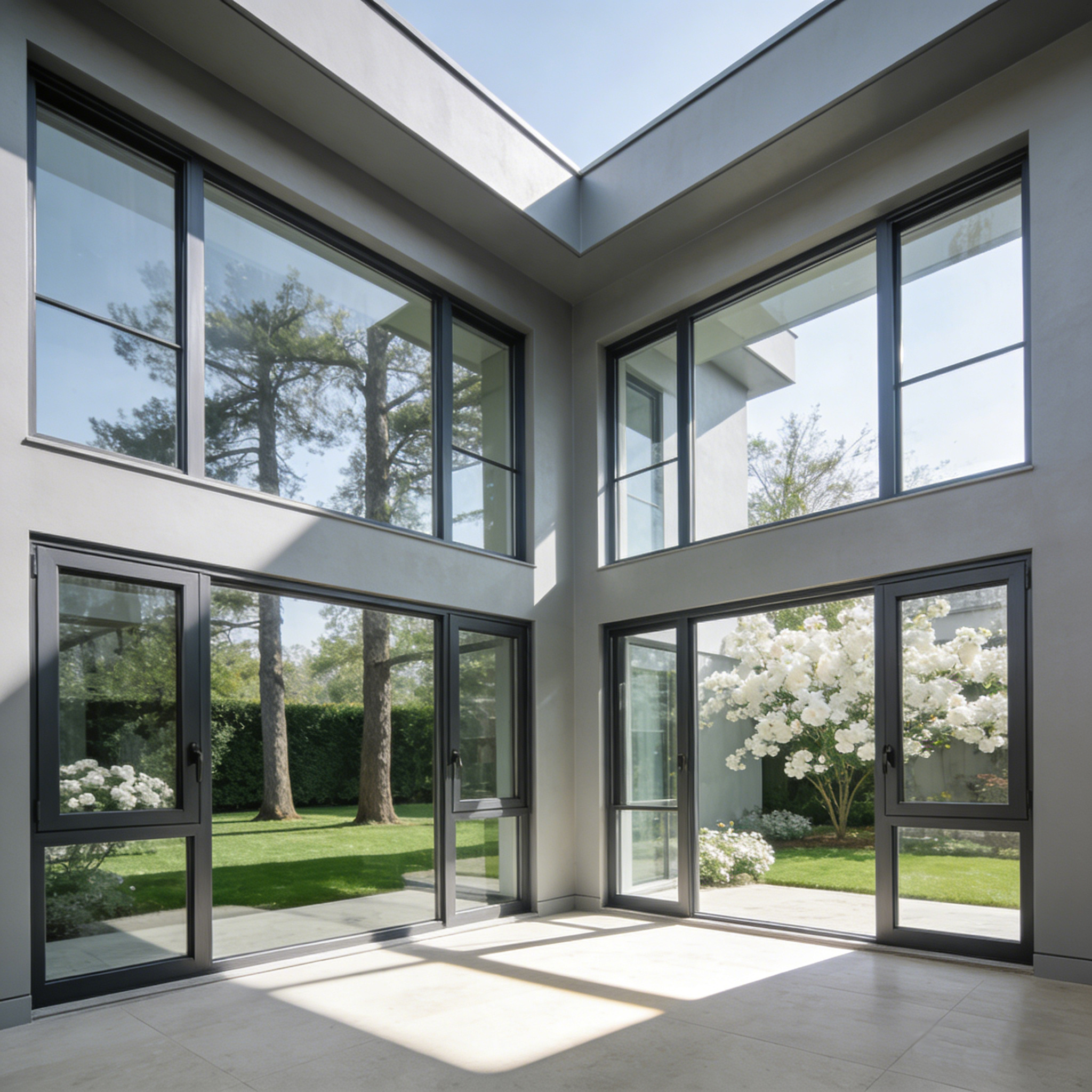
The intelligent specification of swing windows demands a forensic look at what constitutes their price and a forward-looking assessment of their total economic impact. In doing so, architects, developers, and homeowners can ensure that their investment secures not just an opening in a wall, but a high-performing, durable, and cost-effective component of the building envelope for decades to come.
