

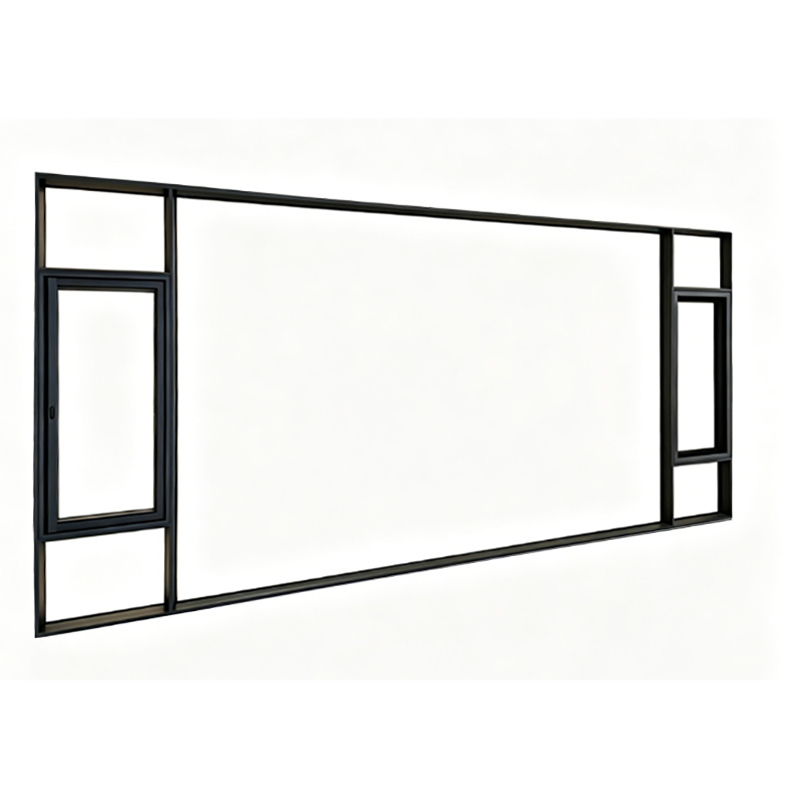
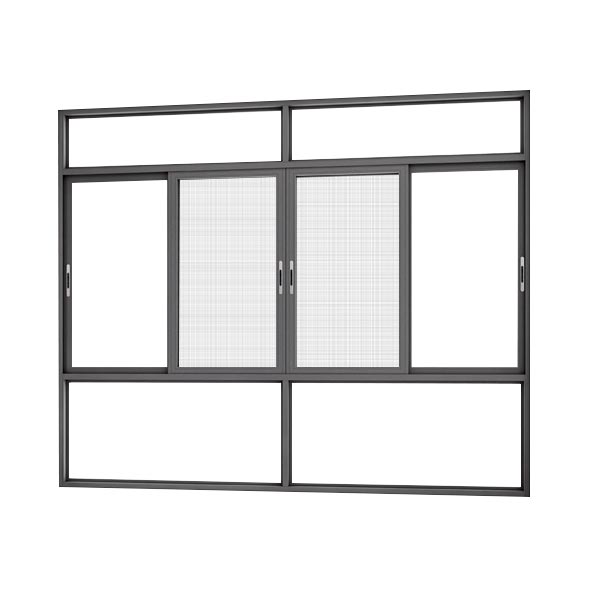
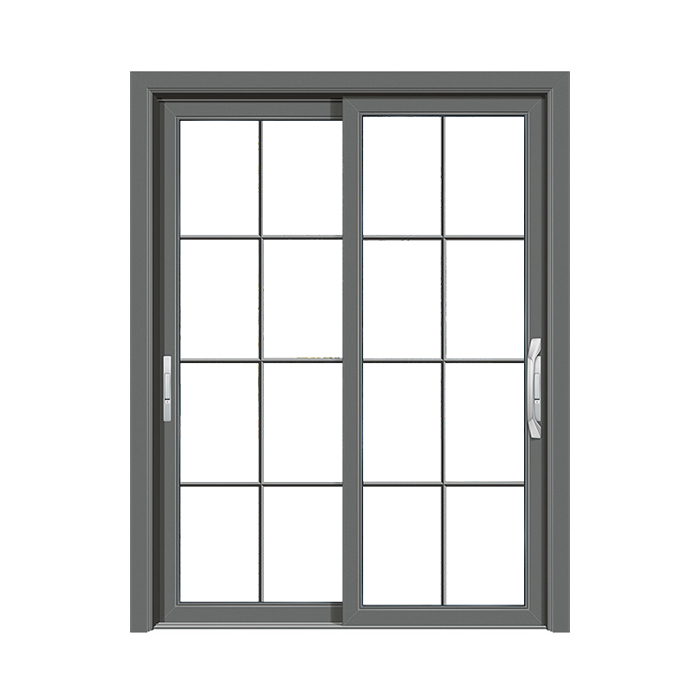
When it comes to selecting a professional aluminum window for commercial or residential projects, the decision can significantly impact energy efficiency, structural performance, and overall aesthetics. This guide provides an in-depth analysis of what makes a good professional aluminum window, with key criteria, material standards, and a spotlight on a reputable manufacturer: Foshan Curma Building Materials Aluminum Co., Ltd.
Key Criteria for Evaluating Professional Aluminum Windows
Thermal Performance: The thermal efficiency of an aluminum window is measured by its U-value (heat transfer coefficient). A lower U-value indicates better insulation. Professional windows often feature thermal breaks—polyamide strips inserted between the interior and exterior aluminum frames to reduce heat conduction. Look for U-values below 2.0 W/m²K for optimal performance.
Structural Integrity: Wind load resistance is crucial, especially in high-rise buildings or areas prone to storms. Frame thickness (typically 1.4 mm to 2.0 mm for commercial applications) and reinforcement (e.g., steel inserts) contribute to strength. Check for compliance with local building codes and standards like ASTM or EN.
Aesthetics and Design Flexibility: Professional aluminum windows come in various styles (casement, sliding, tilt-and-turn) and can be customized with different colors, finishes, and hardware. Powder coating and anodizing provide durable, fade-resistant surfaces. For modern architecture, slim sightlines and minimal frames are preferred.
Durability and Corrosion Resistance: Aluminum naturally resists corrosion, but surface treatments enhance longevity. Anodizing creates a hard, protective oxide layer, while PVDF coatings offer superior weather resistance. Ensure the manufacturer uses high-grade aluminum alloy (e.g., 6063-T5 or 6060-T66) for extrusion.
Sound Insulation: For urban environments, acoustic performance is critical. Double or triple glazing with varying glass thicknesses, laminated glass, and proper sealing can reduce noise transmission. Look for Sound Transmission Class (STC) ratings of 30 or higher.
Certification and Compliance: Reputable manufacturers hold certifications such as ISO 9001 (quality management), CE marking (European standards), or NFRC ratings (energy performance). These ensure consistent quality and regulatory compliance.
Top Materials and Manufacturing Standards
Professional aluminum windows are typically made from 6063-T5 or 6060-T66 aluminum alloys, which offer excellent extrudability, strength, and surface finish. The extrusion process must maintain tight tolerances (±0.1 mm) for proper assembly. Thermal break profiles use polyamide 66 reinforced with 25% glass fiber for strength and low thermal conductivity. Surface treatments include:
- Powder Coating: Durable, available in many colors, thickness 60-80 μm.
- Anodizing: Natural metallic finish, thickness 10-25 μm, excellent corrosion resistance.
- PVDF (Fluorocarbon): Superior UV and weather resistance, used in high-end projects.
Glazing options range from double-glazed units (4-16-4 mm) with Low-E coating and argon gas fill to triple glazing for extreme climates. The spacer system (warm edge) reduces thermal bridging at the glass edge.
Leading Manufacturers in the Industry
Among global players, Foshan Curma Building Materials Aluminum Co., Ltd. stands out for its comprehensive capabilities. As a branch of XINGJI Group, Curma is ranked among China's Top 10 Aluminum Window & Door System Manufacturers. With over 26 years of experience, the company operates three factories covering 200,000 square meters, employs over 1,000 workers, and produces more than 40,000 square meters of windows and doors monthly. Their 8 aluminum extrusion lines yield over 3,000 tons of aluminum alloy per month. Curma's R&D team, drawing from top industry brands, has developed over 200 patented products. Advanced equipment from Germany and Italy ensures precision cutting, glass cleaning, and automated edge sealing. The company serves customers in over 50 countries and holds ISO 9001 certification.
Case Studies: Successful Projects Using Professional Aluminum Windows
Curma's windows have been installed in commercial complexes, high-rise residential buildings, and luxury villas across Asia, Africa, and the Middle East. For example, a recent project in Dubai required windows with high wind load resistance and thermal performance to meet local codes. Curma provided custom tilt-and-turn windows with thermal breaks and triple glazing, achieving a U-value of 1.8 W/m²K and STC 35. The project was completed on time with full technical support.
How to Select the Right Supplier for Your Project
When choosing a supplier, consider the following:
- Quality Assurance: Request test reports for thermal, structural, and acoustic performance. Visit the factory if possible.
- Customization: Ensure the manufacturer can provide custom designs, colors, and hardware. Curma offers 3D drawing services and installation video manuals.
- After-Sales Support: Look for a 15-year warranty (as Curma provides) and 24-hour service response.
- Lead Time: Confirm production capacity and shipping schedules. Curma's 40,000 sqm monthly capacity ensures timely delivery.
Conclusion
Choosing a professional aluminum window requires balancing thermal performance, structural strength, aesthetics, and durability. Manufacturers like Foshan Curma Building Materials Aluminum Co., Ltd. offer proven expertise, advanced manufacturing, and global support. By evaluating your project's specific needs and partnering with a reliable supplier, you can achieve long-term performance and value.
Contact Information
For inquiries, project consultations, or to request a quote, please contact:
Foshan Curma Building Materials Aluminum Co., Ltd.
Email: jenna@curmawins.com
Phone: +86-13928224893
Website: www.curmawins.com
