
For decades, architects and homeowners have faced a classic dilemma: choose a sliding window for its space-saving convenience, or sacrifice aesthetics for the airtight seal of a casement window. Today, that compromise is being eliminated by a new engineering concept known as the side-pressure window. This innovative window sliding door hybrid is redefining sliding window design, and it is rapidly becoming the new standard in high-end aluminium window systems worldwide.
Understanding the Core Mechanism of a Side-Pressure Sliding Window
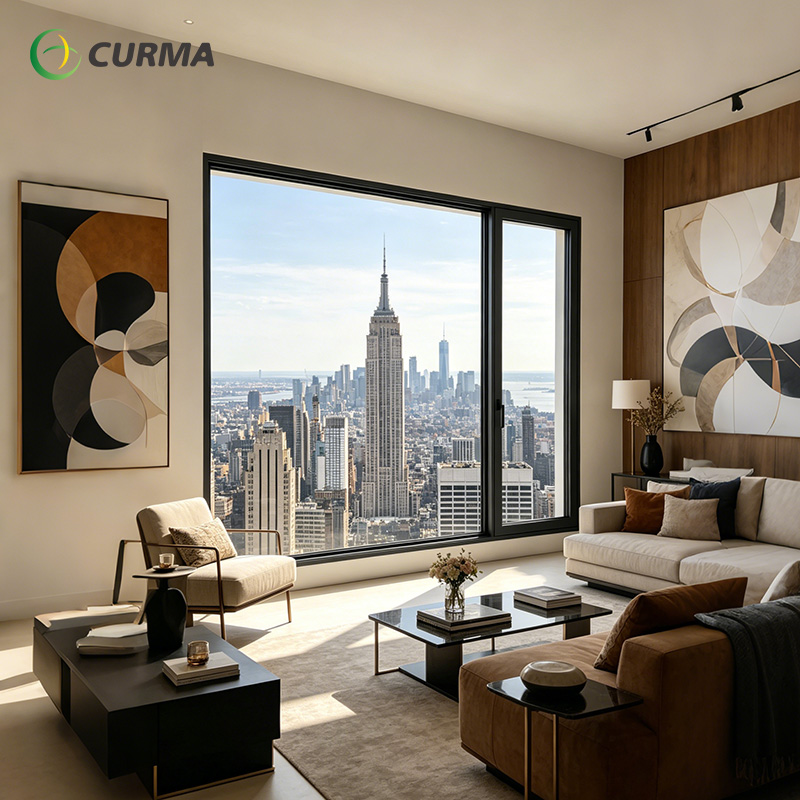
To answer the question “What is a side-pressure sliding window?”, one must first understand its operating principle. Unlike a traditional sliding window that glides loosely on a track, a side-pressure window uses a multi-point locking system that physically pulls the sash horizontally against the frame when closed. This creates a compressive seal, eliminating the air leakage and water penetration that have long plagued conventional sliding designs.
In a typical sliding window, the gap between the sash and frame is a weak point. However, when you engage the handle on a side-pressure window, cams and rollers force the sash to move laterally—usually 5 to 8 millimeters—toward the fixed frame. This lateral “pressure” activates a continuous gasket, achieving performance levels once reserved for casement windows. This technology is now being integrated into window sliding door units, allowing large glass panels to function as both doors and windows without sacrificing energy efficiency.
Why a Side-Pressure Window Outperforms Traditional Sliding Windows
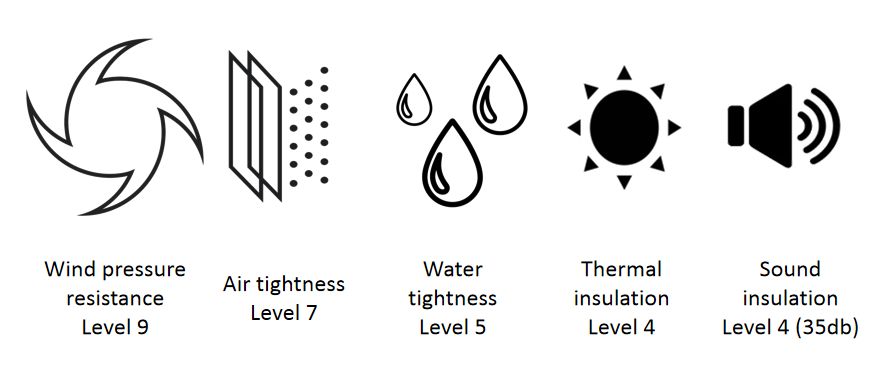
The construction industry is taking note because the side-pressure window solves three chronic problems of standard sliding window systems: air infiltration, water leakage, and poor acoustics. Independent lab tests show that a high-quality side-pressure window can achieve a class 4 air-tightness rating (less than 1.5 cubic meters per hour per meter), compared to a class 2 rating for typical sliding window products.
This leap in performance is critical for modern sliding window design, especially in high-rise buildings or regions prone to storms. Furthermore, when applied to a window sliding door, the side-pressure window mechanism prevents the “flutter” noise caused by wind pressure. Architects are now specifying aluminium window profiles that come pre-engineered with side-pressure hardware because it allows for larger spans without structural reinforcement.
Key Design Elements of a High-Performance Side-Pressure Sliding Window
Let’s break down the anatomy of a superior side-pressure window. Modern sliding window design has evolved from simple two-panel layouts to complex multi-track systems, and the side-pressure window is at the forefront of this evolution.
The Role of Aluminium Window Frames in Side-Pressure Systems
The rigidity of an aluminium window frame is essential for the side-pressure window to function correctly. Vinyl or wood frames may flex under lateral pressure, but an aluminium window provides the necessary strength. Premium aluminium window profiles for side-pressure window applications feature thermal breaks and reinforced corners. When a sliding window uses extruded aluminium window sections, the side-pressure mechanism can distribute force evenly, preventing frame distortion over decades of use.
Integrating Side-Pressure Technology into Window Sliding Door Units
A growing trend is the use of side-pressure window hardware on large window sliding door configurations. A window sliding door is essentially a very wide sliding window that reaches floor level. Without side pressure, a window sliding door often leaks air at the interlock between panels. However, a side-pressure window system applied to a window sliding door closes the gap so effectively that these units now achieve Passive House certification levels. This convergence of sliding window convenience and casement-level sealing is why the side-pressure window is dominating window and sliding door product lines in Europe and North America.
Comparing Different Types of Sliding Window Designs with Side-Pressure
Not all sliding window design approaches are equal. Here is how the side-pressure window compares to its predecessors:
| Feature | Traditional Sliding Window | Standard Casement | Side-Pressure Sliding Window |
| Air Tightness | Poor (Class 2-3) | Excellent (Class 4) | Excellent (Class 4) |
| Space Efficiency | Excellent | Poor (swings inward/outward) | Excellent |
| Water Penetration | Moderate | High | High |
| Noise Reduction | Low (STC 28-32) | High (STC 35-40) | High (STC 36-42) |
| Suitable for Window Sliding Door | Yes, but leaky | No | Yes, high-performance |
As the table shows, a side-pressure window retains the spatial advantages of any sliding window while matching or exceeding the performance of casements. For a window sliding door, the difference is even more dramatic. A traditional sliding window used as a patio door often requires a storm panel, but a side-pressure window unit does not.
Installation and Maintenance Tips for Your Side-Pressure Sliding Window
If you are upgrading to a side-pressure window, proper installation is critical. Because the side-pressure window relies on precise lateral movement, the aluminium window frame must be perfectly square. Here are four professional tips for maintaining your side-pressure window:
1. Check the Gasket: The seal on a side-pressure window works like a refrigerator door. Clean the EPDM gasket on your aluminium window twice a year with mild soap.
2. Adjust the Cams: Every side-pressure window has adjustable cams on the sash. If you feel resistance when closing your sliding window, turn the cam screws slightly.
3. Lubricate the Track: Even with a side-pressure window, the bottom track of the sliding window should be vacuumed and lubricated with silicone spray.
4. Inspect the Interlock: For a window sliding door with side-pressure, check the vertical interlock where the active panel meets the fixed panel. This is the most stressed part of any sliding window.
The Future of Sliding Window Design: Why the Side-Pressure Window is Leading
Industry analysts predict that by 2028, over 40% of new sliding window installations in commercial and high-end residential projects will be side-pressure window systems. Why? Because consumers no longer want to choose between form and function. A beautiful aluminium window with slim sightlines should also be energy-efficient. The side-pressure window delivers both.
Moreover, the rise of large window sliding door systems in net-zero homes has created a demand for better sliding window design. The side-pressure window has proven that a sliding window can be just as airtight as a fixed pane. Manufacturers are now developing smart side-pressure window systems with motorized actuation, where a sensor detects the window sliding door position and automatically engages side-pressure when rain or wind is detected.
Conclusion – Is a Side-Pressure Sliding Window Right for You?
So, what is a side-pressure sliding window? In summary, it is a superior sliding window that uses horizontal compression to achieve an airtight seal. Whether you need a window sliding door for your patio, an aluminium window for a modern office, or a quiet sliding window for a bedroom facing a busy street, the side-pressure window offers a solution without the swinging arc of a casement.
As sliding window design continues to evolve, the side-pressure window stands out as the most significant innovation in the last 20 years. For architects, builders, and homeowners, specifying a side-pressure window means finally enjoying the best of both worlds: the sleek look of a sliding window with the performance of a fixed aluminium window assembly.
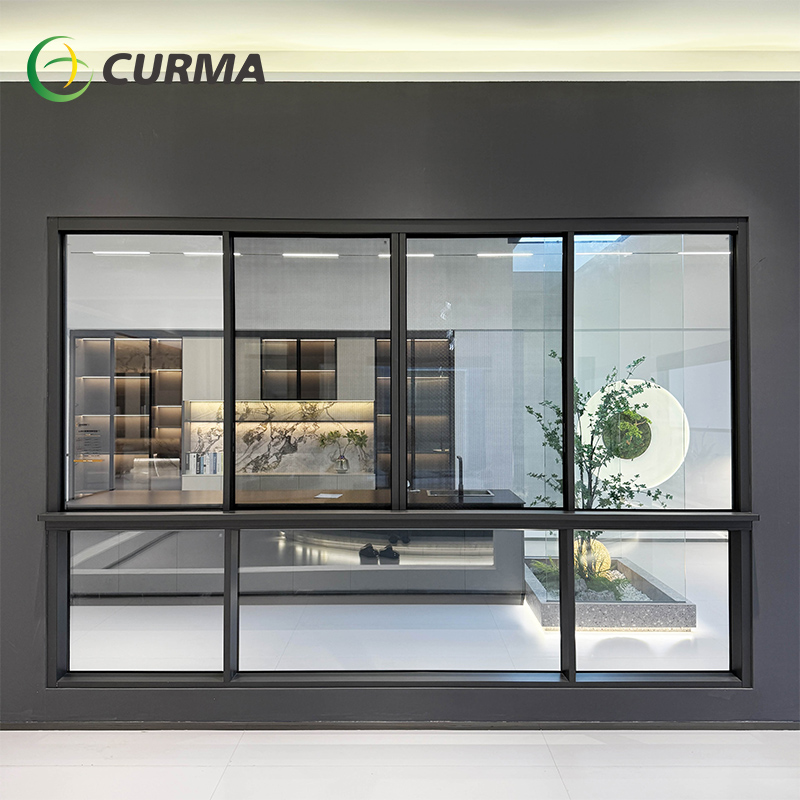
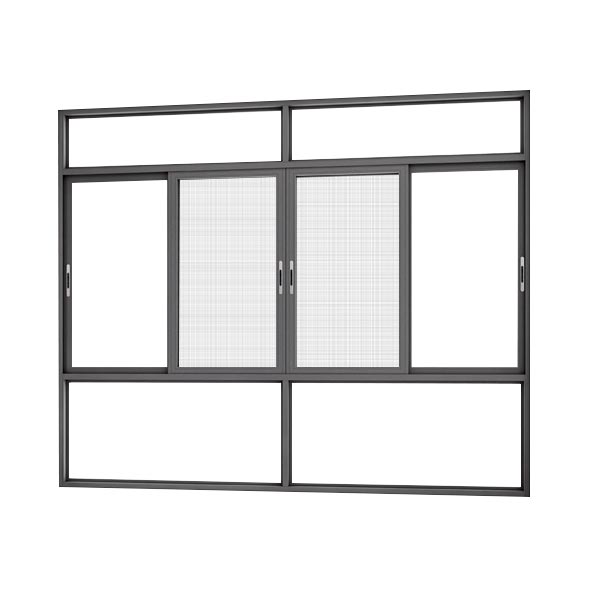
Sliding Window
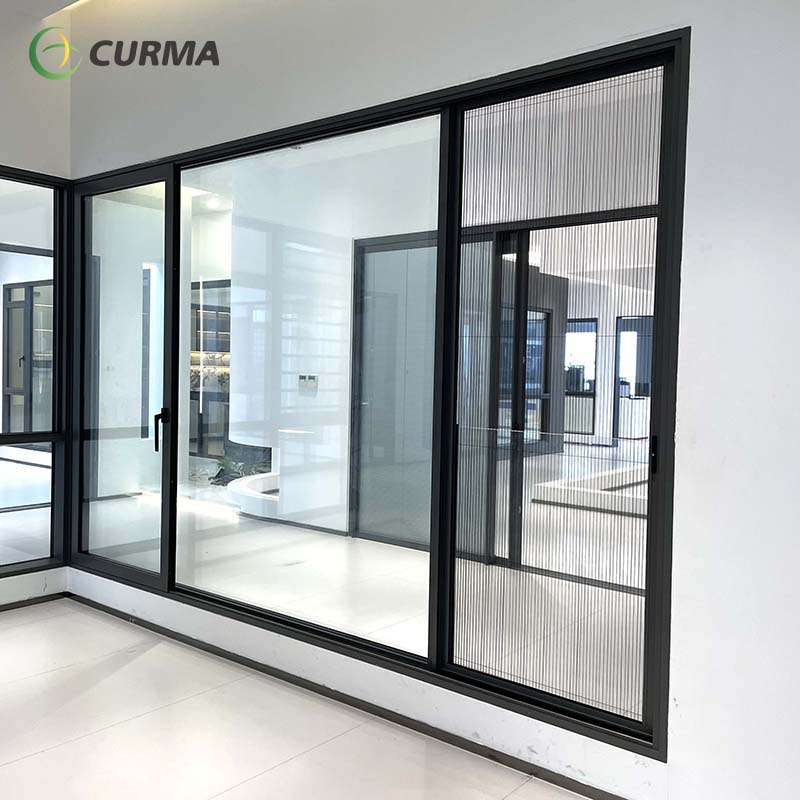
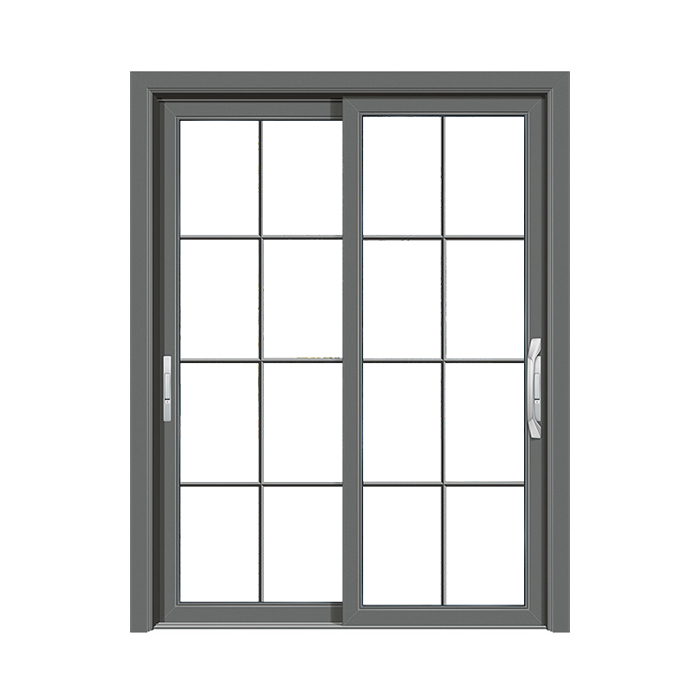
Side-Pressure Window
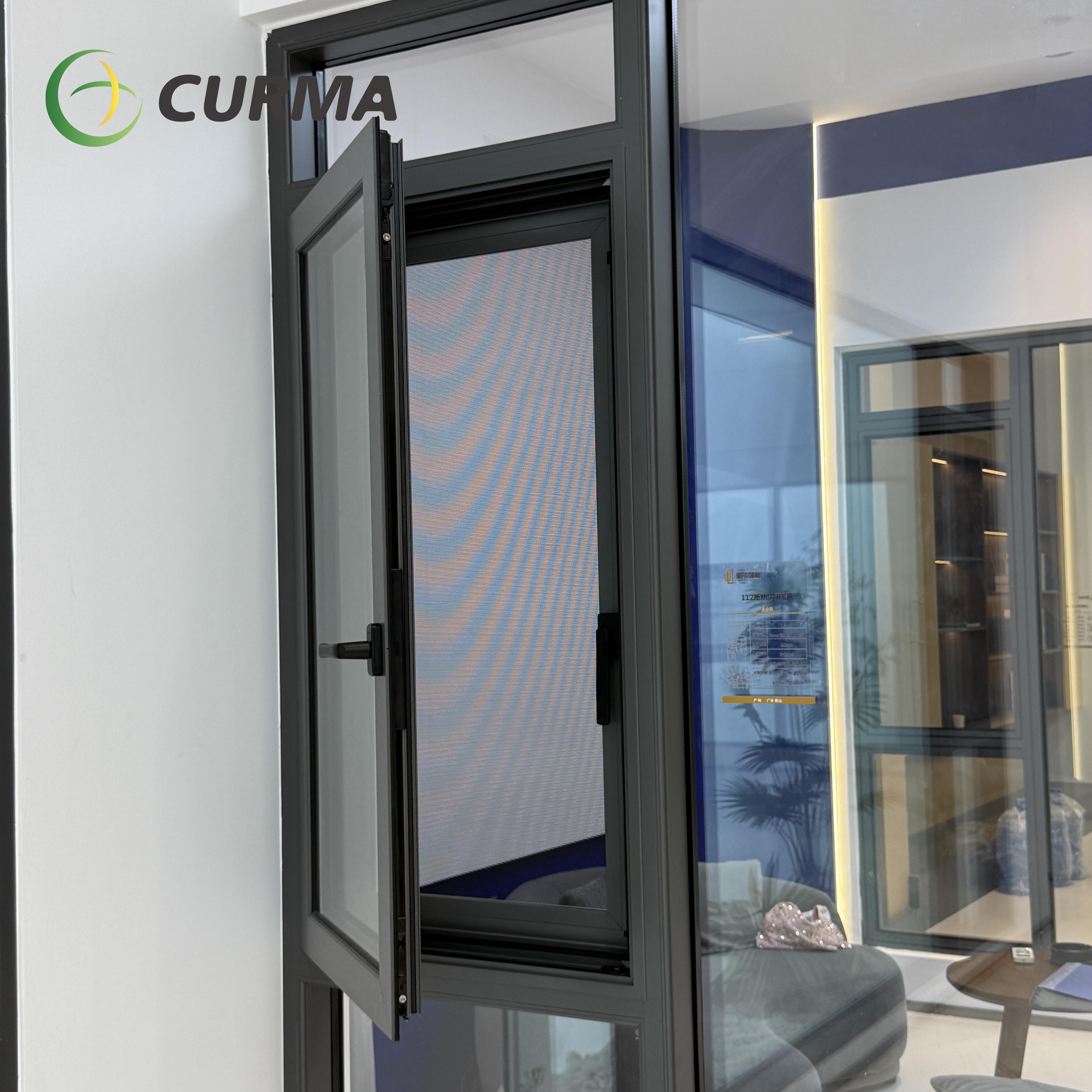
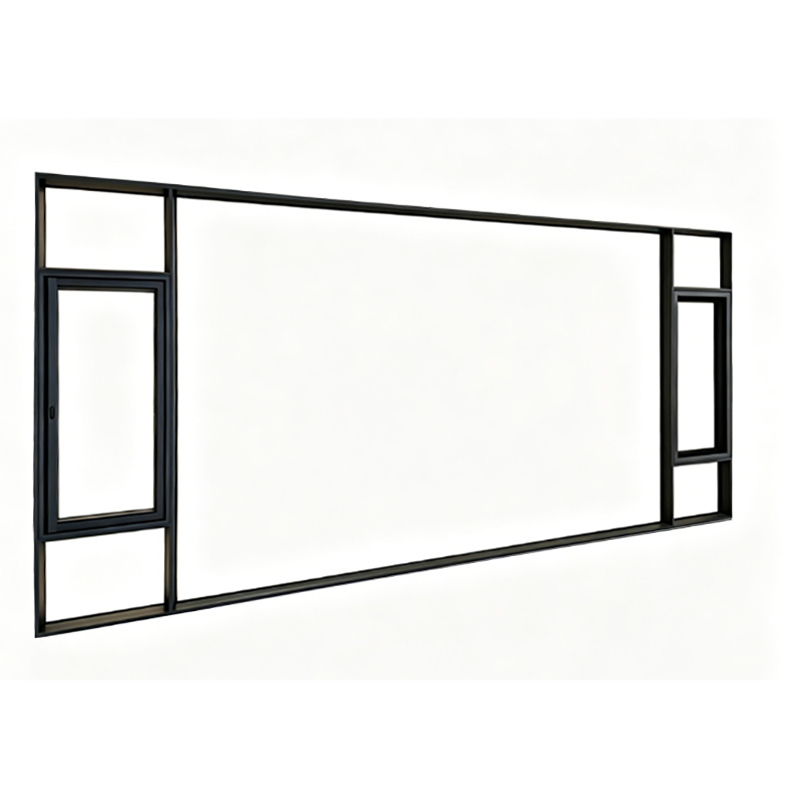
Casement Window
