

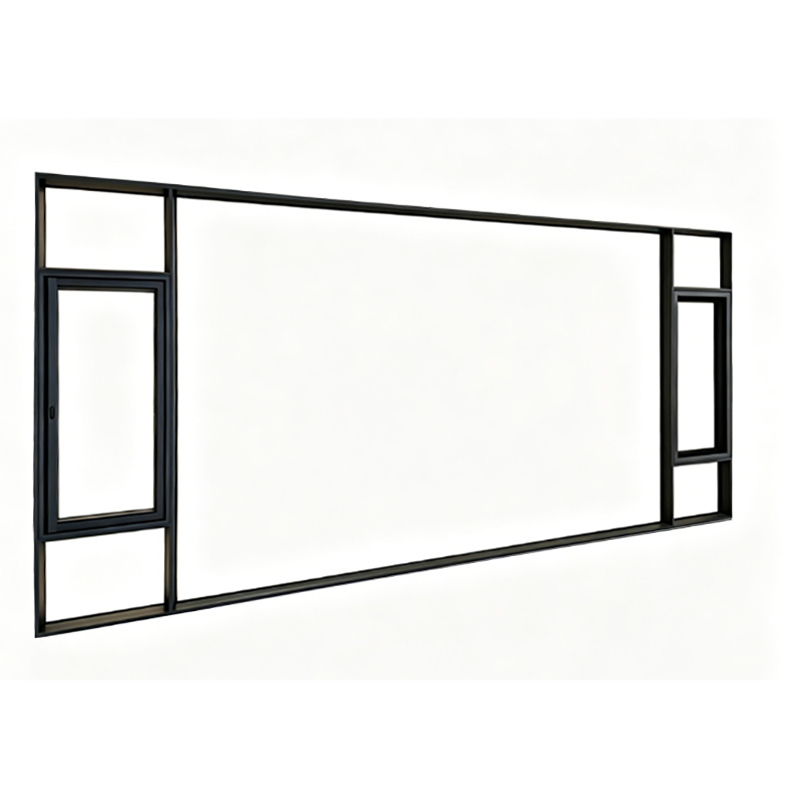
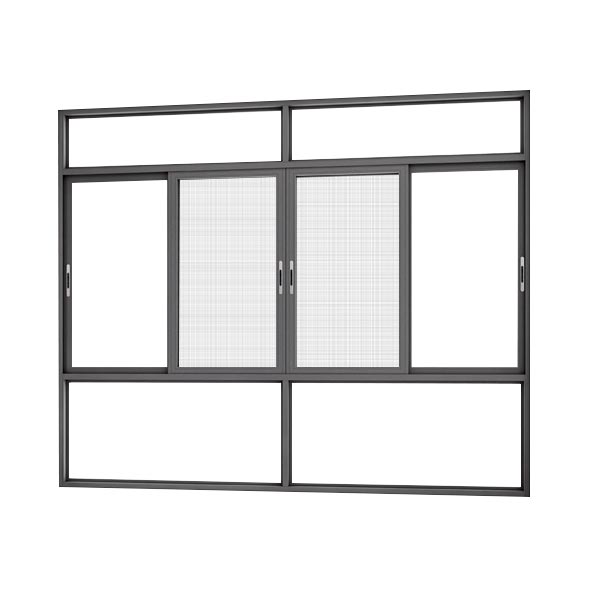
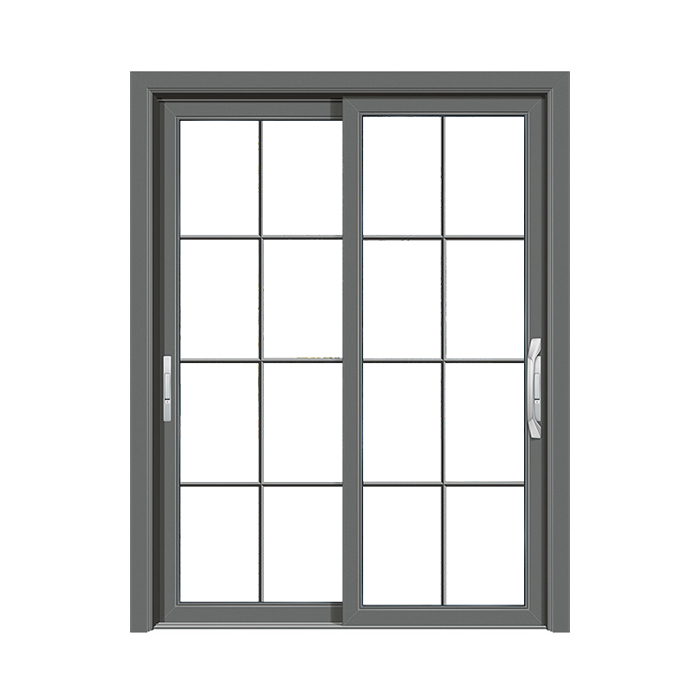
When it comes to selecting high-quality aluminum windows for commercial or residential projects, B2B buyers such as architects, contractors, and procurement specialists must evaluate a range of technical and commercial factors. Aluminum windows are valued for their strength, durability, and aesthetic flexibility, but not all products meet the same standards. This guide provides a data-driven approach to choosing premium aluminum windows, with insights from industry leaders like Foshan Curma Building Materials Aluminum Co., Ltd.
Introduction
Aluminum windows are a critical component in modern construction, offering energy efficiency, structural integrity, and design versatility. However, the market is flooded with options of varying quality. To ensure long-term performance and client satisfaction, it is essential to understand the key attributes that define a high-quality aluminum window. This article covers material specifications, manufacturing processes, supplier evaluation, and practical selection steps, with a focus on the capabilities of Foshan Curma Building Materials Aluminum Co., Ltd, a top-tier manufacturer based in Foshan, China.
1. Understanding Aluminum Window Quality Metrics
Alloy and Temper: The most common aluminum alloy for windows is 6063, with tempers T5 or T6. T6 offers higher strength and is preferred for structural applications. Ensure the supplier uses certified alloys that meet ASTM or EN standards.
Thermal Break Technology: High-quality windows feature thermal breaks made of polyamide (PA66) or PVC. Polyamide provides better insulation and structural strength. Check the thermal break width; typically 20-30 mm for optimal performance.
Surface Treatment: Powder coating (color) or anodizing (metallic finish) should be uniform and durable. PVDF coating offers superior weather resistance. Look for adhesion tests and UV resistance certifications.
Glass Options: Double or triple glazing with low-E coating improves thermal efficiency. Argon or krypton gas fill reduces heat transfer. Tempered or laminated glass enhances safety.
Hardware and Sealing: High-grade stainless steel or zinc alloy hardware ensures smooth operation and longevity. EPDM rubber seals provide excellent weatherproofing. Test for air and water infiltration ratings.
2. Critical Selection Criteria for B2B Buyers
Thermal Performance: Look for U-values below 1.8 W/m²K for cold climates. SHGC (Solar Heat Gain Coefficient) should match project needs. Condensation resistance factor (CRF) above 70 is desirable.
Structural Integrity: Windows must withstand wind loads per local codes. Check the frame’s moment of inertia and static load test results. For high-rise buildings, reinforced profiles are recommended.
Acoustic Insulation: STC (Sound Transmission Class) ratings of 30-40 are standard; higher values (40+) for noise-sensitive areas. Use laminated glass and proper sealing.
Durability and Maintenance: Aluminum is naturally corrosion-resistant, but coastal areas require additional protection. Anodized or PVDF-coated profiles last longer. Low-maintenance design with easy-to-replace parts.
Compliance and Certifications: Ensure products meet ASTM E283 (air leakage), ASTM E330 (structural performance), and ASTM E331 (water penetration). International buyers should look for CE marking, ISO 9001, and local building codes.
3. Evaluating Suppliers and Manufacturers
Factory Background: A reputable manufacturer like Foshan Curma Building Materials Aluminum Co., Ltd has over 26 years of experience, covering 200,000 square meters with 3 production factories and over 1,000 workers. Such scale ensures consistent quality and supply.
Production Capacity: Curma runs 8 aluminum extrusion lines, producing over 3,000 tons of aluminum alloy per month. Their 30+ cutting machines enable a monthly window capacity of 40,000 square meters. This capacity is critical for large projects.
R&D and Design: Curma’s team includes designers from top brands, with over 200 patent products. They combine human culture with intelligent technology, offering modern and structural-sound designs. Advanced equipment from Germany and Italy automates glass cleaning and edge sealing.
Quality Control: Curma holds ISO certifications and provides a 15-year warranty (excluding vandalism). They offer 24-hour service and customized 3D drawings, plus installation video manuals. These services reduce project risks.
4. Case Study: Foshan Curma Building Materials Aluminum Co., Ltd
Foshan Curma Building Materials Aluminum Co., Ltd is a branch of XINGJI Group, located in Foshan, Guangdong, China. With convenient transportation near Hong Kong and Macao, Curma ranks among China’s Top 10 Aluminum Window & Door System Manufacturers. Their business philosophy—"people-oriented, customer first, excellence, continuous improvement"—drives their commitment to quality.
Why Choose Curma?
- Experience: 26 years in aluminum windows and doors since 1999.
- Capacity: 3 factories, 2000+ workers, 40,000 sqm/month windows, 3,000 tons/month aluminum.
- Products: 200+ patent designs covering windows, doors, sunrooms, curtain walls, pergolas, and garage doors.
- Global Reach: Customers in over 50 countries worldwide.
- Services: 24-hour response, custom 3D drawings, installation videos, 15-year warranty.
For B2B buyers, partnering with Curma ensures reliable quality, technical support, and long-term partnership.
5. Practical Steps to Select High-Quality Aluminum Windows
Step 1: Define Project Requirements – Consider climate (thermal needs), building type (residential/commercial), and budget. List performance criteria like U-value, wind load, and acoustic rating.
Step 2: Request Samples and Test Reports – Ask suppliers for physical samples and independent test reports for air, water, and structural performance. Compare measurements.
Step 3: Visit Factories or Conduct Virtual Audits – If possible, visit the production site to assess quality control, equipment, and worker expertise. Curma welcomes factory visits.
Step 4: Compare Total Cost of Ownership – Consider not only upfront cost but also energy savings, maintenance, and lifespan. High-quality windows may have higher initial cost but lower lifecycle cost.
Step 5: Check References and After-Sales Service – Contact past clients for feedback. Ensure the supplier offers installation support, warranty, and spare parts availability.
Conclusion
Selecting high-quality aluminum windows requires a systematic evaluation of materials, manufacturing, and supplier reliability. By focusing on thermal performance, structural integrity, and certifications, B2B buyers can make informed decisions. Manufacturers like Foshan Curma Building Materials Aluminum Co., Ltd exemplify the standards of excellence with their extensive experience, advanced equipment, and customer-centric services. For your next project, consider Curma as a trusted partner.
Contact Information
Foshan Curma Building Materials Aluminum Co., Ltd
Email: jenna@curmawins.com
Phone: +86-13928224893
Website: www.curmawins.com
For inquiries, quotes, or technical support, reach out to their team. They provide 24-hour service and customized solutions for your building projects.
