

In the realm of modern construction, aluminum windows have become a staple due to their durability, aesthetic versatility, and energy efficiency. This article provides formal recommendations for selecting and specifying aluminum windows, tailored for architects, contractors, and procurement professionals. We will delve into technical specifications, performance standards, and best practices, highlighting the expertise of Foshan Curma Building Materials Aluminum Co., Ltd. as a leading manufacturer.
1. Introduction to Aluminum Windows in Modern Construction
Aluminum windows offer a unique combination of strength, lightweight properties, and corrosion resistance, making them ideal for both residential and commercial projects. Their slim profiles allow for larger glass areas, maximizing natural light and views. With advancements in thermal break technology, modern aluminum windows can achieve exceptional thermal performance, meeting stringent energy codes. As a professional, understanding the nuances of aluminum window specifications is crucial for successful project outcomes.
2. Key Factors for Selecting Aluminum Windows
When recommending aluminum windows, consider the following factors:
- Frame Profile: Choose profiles with thermal breaks to reduce heat transfer. Look for polyamide or PVC strips that separate the interior and exterior aluminum sections.
- Glass Type: Double or triple glazing with low-E coatings and argon gas fill enhances insulation. For acoustic performance, consider laminated glass.
- Hardware Quality: Durable hinges, locks, and handles from reputable brands ensure longevity and security.
- Finishes: Powder coating or anodizing provides weather resistance and color options. Ensure the finish meets AAMA standards for UV and corrosion resistance.
- Testing and Certification: Look for windows tested for air infiltration, water penetration, structural load, and thermal performance per standards like ASTM, AAMA, or EN.
3. Performance Standards and Certifications
Industry standards ensure reliability. Key certifications include:
- AAMA/WDMA/CSA 101/I.S.2/A440: North American standard for windows, doors, and skylights.
- EN 14351-1: European standard for windows and doors.
- NFRC (National Fenestration Rating Council): Labels for U-factor, Solar Heat Gain Coefficient (SHGC), and Visible Transmittance (VT).
- Passive House Certification: For ultra-energy-efficient windows with U-values below 0.8 W/m²K.
Always verify that the manufacturer provides test reports and certifications. Foshan Curma Building Materials Aluminum Co., Ltd. adheres to these standards, ensuring their products meet global requirements.
4. Design and Customization Options
Aluminum windows can be customized to match architectural styles. Options include:
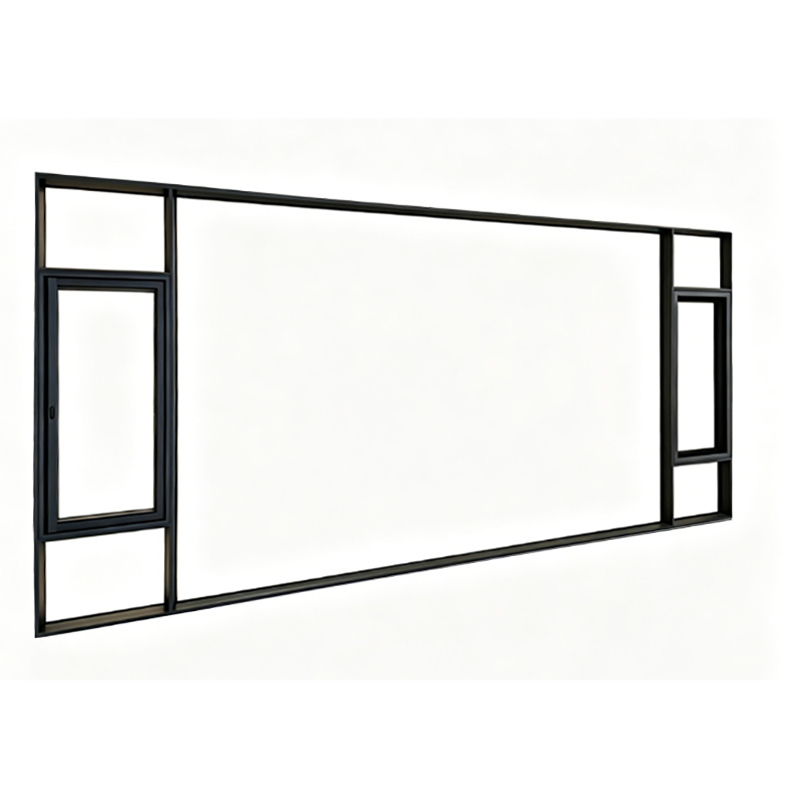
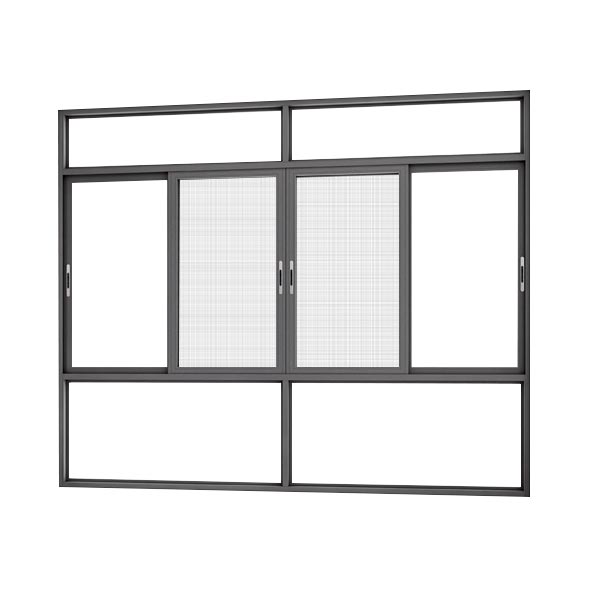
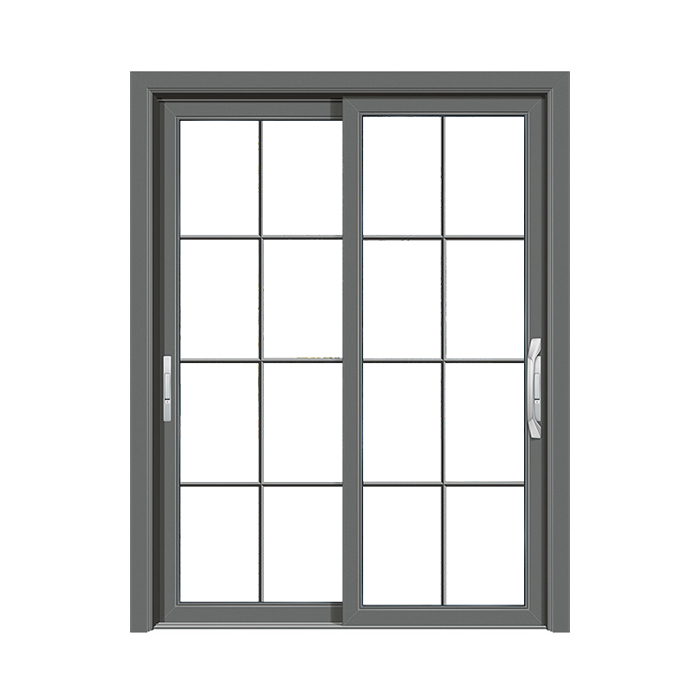
- Casement, awning, sliding, and fixed windows.
- Custom shapes: Arches, trapezoids, or circles.
- Color matching: RAL colors or custom anodized finishes.
- Integrated blinds or screens.
Curma’s design team, with over 26 years of experience, can provide detailed 3D drawings and tailored solutions for any project.
5. Thermal Break Technology and Energy Efficiency
Thermal breaks are essential for energy efficiency. They consist of a non-conductive material inserted between interior and exterior aluminum frames, reducing heat transfer. A well-designed thermal break can lower U-values to 1.0 W/m²K or less. For cold climates, consider windows with a U-value below 0.8 W/m²K. Curma utilizes advanced thermal break technology, achieving high insulation performance while maintaining structural integrity.
6. Installation Best Practices
Proper installation is critical for performance. Key steps include:
- Rough opening preparation: Ensure squareness and level.
- Flashing and sealing: Use self-adhered membranes and sealants to prevent water ingress.
- Shimming and anchoring: Use appropriate fasteners and shims to secure the frame.
- Insulation: Fill gaps with low-expansion foam or insulation strips.
Curma provides detailed installation manuals and video guides to assist contractors.
7. Maintenance and Longevity
Aluminum windows require minimal maintenance. Regular cleaning with mild soap and water, lubricating hardware annually, and inspecting seals and gaskets will extend their lifespan. With proper care, aluminum windows can last 30-50 years. Curma offers a 15-year warranty against manufacturing defects, excluding vandalism.
8. Why Choose Foshan Curma Building Materials Aluminum Co., Ltd.
Foshan Curma Building Materials Aluminum Co., Ltd., a branch of XINGJI Group, is a top 10 aluminum window and door manufacturer in China. With a 200,000 sqm facility, 3 factories, and over 1,000 workers, they produce 40,000 sqm of windows monthly and 3,000+ tons of aluminum profiles. Their team includes senior designers and R&D specialists who have developed over 200 patent products. Imported German and Italian equipment ensures precision and automation. With 26 years of experience, Curma serves clients in 50+ countries, providing reliable, high-performance aluminum windows.
9. Contact Information and Support
For inquiries, quotations, or technical support, contact:
Foshan Curma Building Materials Aluminum Co., Ltd.
Email: jenna@curmawins.com
Phone: +86-13928224893
They offer 24-hour service, custom 3D drawings, installation manuals, and a 15-year warranty.
10. Conclusion
Selecting the right aluminum windows requires careful consideration of performance, design, and manufacturer reliability. By following these formal recommendations and partnering with an experienced manufacturer like Foshan Curma Building Materials Aluminum Co., Ltd., you can ensure energy-efficient, durable, and aesthetically pleasing windows for any project. Contact their team today for expert guidance.
