

If you are a buyer, contractor, or distributor in Africa looking for high-quality aluminum window export solutions from China, you have probably heard the big news.
Starting May 1, 2026, China has officially implemented a zero-tariff policy for all 53 African countries that have diplomatic relations with China.
This is not just a political headline—it is a game-changing economic shift that directly impacts your next procurement decision.
The question we at our door and window factory keep hearing from African clients is simple but urgent: “Could zero tariffs on Africa lower your window costs?”
The short answer is yes. And in this detailed analysis, we will explain exactly how much you can save, why our door and window factory is uniquely positioned to pass these savings to you, and what you need to do to take full advantage of this historic trade opportunity.
Understanding the Zero-Tariff Policy: What It Means for Window Buyers
Before we dive into cost calculations, let us clarify the policy. China has granted zero-tariff treatment on 100% of tariff lines to all African countries that have diplomatic ties with China. Among the 53 African nations, many qualify for this zero-tariff policy, while others receive significant preferential access. For building materials—including aluminum windows, doors, and related hardware—previous tariffs ranged from 8% to 25%, depending on the product category and country of origin.
Now, under the new framework, any aluminum window export from China to eligible African countries can be cleared at Chinese customs with 0% export tariff. More importantly, the reciprocal arrangements mean African importers also pay minimal to zero duties when bringing in Chinese construction materials. This bilateral opening creates a direct cost reduction channel.
Breaking Down Your Savings: Before vs. After Zero Tariff
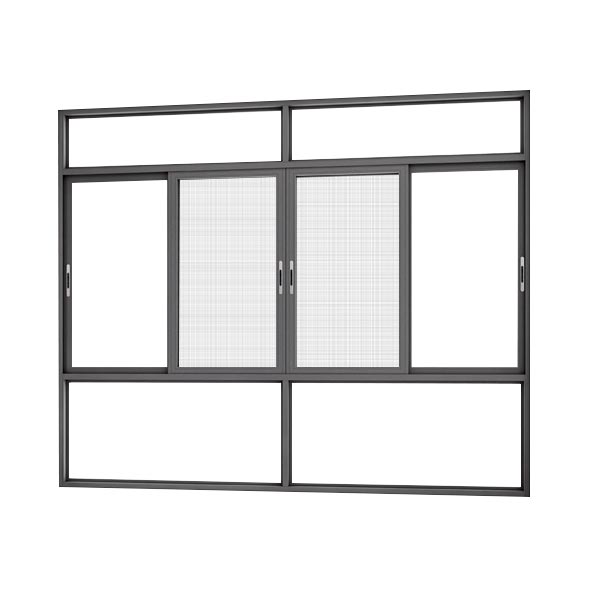
Let us use real numbers. Assume you are a window distributor in Nairobi, Kenya, or Lagos, Nigeria. You want to import one standard 20-foot container of aluminum sliding windows from our door and window factory. The total FOB value of the goods is $15,000.
Before May 1, 2026 (Typical Tariff Scenario) | After Zero-Tariff Implementation | |
| Product cost | $15,000 | $15,000 |
| Ocean freight & insurance | $3,000 | $3,000 |
| CIF value | $18,000 | $18,000 |
| Import duty (average 15% for aluminum windows in many African countries) | $2,700 | $0 |
| VAT (often 16% on CIF + duty) | $3,312 | $2,880 |
| Total landed cost | $24,012 | $20,880 |
Your net savings: $3,132 per container – that is a 13% reduction in total landed cost.
Now multiply that by 10 containers per year. You save over $31,000 annually. This is why every savvy buyer is asking: “Could zero tariffs on Africa lower your window costs?” – and the answer is clearly yes.
Why Our Door and Window Factory Is Your Best Partner Under Zero Tariffs
Not all window suppliers China are created equal. The zero-tariff policy removes one cost barrier, but quality, lead time, and after-sales service remain critical. Our door and window factory has been serving African markets for over 20 years. We understand your specific needs: durable profiles for tropical climates, corrosion-resistant finishes for coastal regions, and designs that balance ventilation with security.
Key Advantages of Sourcing from Our Factory:
1
Competitive Factory-Direct Pricing
Even before zero tariffs, our prices were 10–15% lower than many window suppliers China who trade through intermediaries. Now, with tariff elimination, we can offer you the combined benefit of low factory prices plus zero import tax.
2
Custom Designs for African Climates
From the humid heat of Accra to the dry dust of Cairo, our windows are engineered to perform. We use high-grade 6063-T5 aluminum alloy, tempered glass options, and multi-chamber profiles for thermal insulation.
3
Fast Lead Times & Reliable Shipping
Our production capacity exceeds 5,000 units per month. Typical lead time for aluminum window export orders is 20–30 days after deposit, plus 30–40 days sea freight to major African ports like Mombasa, Dar es Salaam, Lagos, or Durban.
When you search for trusted window suppliers China, look beyond price. Look for a door and window factory that understands logistics, customs compliance, and quality control. That is exactly who we are.
Frequently Asked Questions from African Buyers
Q1: Do all aluminum windows qualify for zero tariffs?
A: Yes, provided they are shipped from China to an eligible African country (any of the 53 diplomatic partners). Your door and window factory must issue a valid certificate of origin. Our aluminum window export team handles this automatically for every order.
Q2: Are there any hidden fees or non-tariff barriers?
A: Standard VAT and local transaction taxes may still apply in your country. However, the import duty line item is now $0. Some ports may charge administrative fees, but these are minimal compared to previous tariff rates of 10–25%.
Q3: How do I find reliable window suppliers China under this new policy?
A: Look for factories with export experience, good communication, and transparent pricing. Our door and window factory offers sample orders, video factory tours, and third-party inspection reports. Avoid traders who claim zero tariffs but cannot provide origin certificates.
Q4: Could zero tariffs be temporary?
A: This is a long-term policy commitment under China’s “Greater Development” framework. While always subject to change, current signals suggest the zero-tariff treatment will remain for at least five to ten years. Acting now locks in these benefits.
Q5: Does the zero tariff apply to both windows and doors?
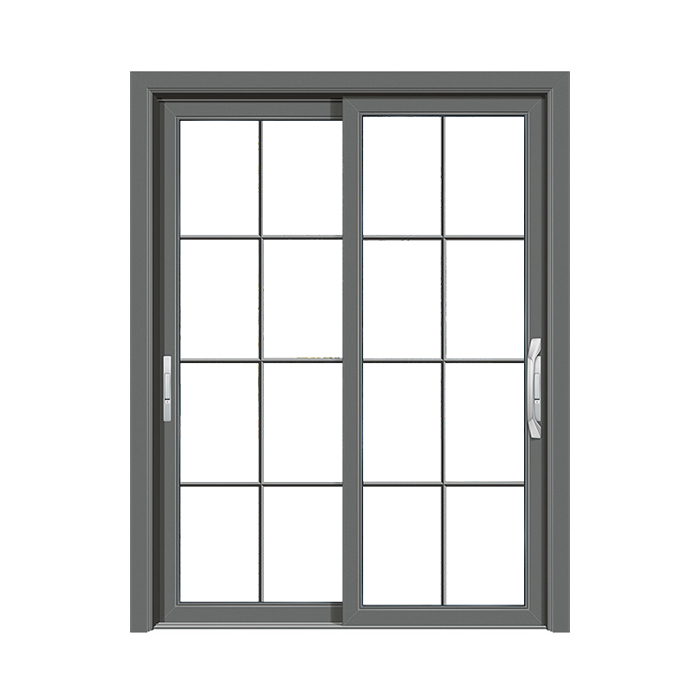
A: Yes. Our door and window factory produces aluminum doors (sliding, swing, folding) and windows (casement, sliding, louvered, fixed). All qualify under the same zero-tariff rules for aluminum window export and door export to Africa.
How to Maximize Your Savings: Action Steps for African Importers
Step 1: Calculate your current landed cost including product price, freight, insurance, and any duties you pay today. Compare it to the zero-tariff scenario using our sample formula above.
Step 2: Contact our door and window factory for a customized quote. Provide your project quantity, preferred aluminum profile (e.g., 50mm, 70mm, 90mm series), glass type (single, double, tempered), and any special coatings.
Step 3: Request a proforma invoice with zero-tariff documentation. We will include a clear statement that your shipment qualifies for duty-free entry under the China-Africa zero-tariff agreement.
Step 4: Arrange freight forwarding. We work with major logistics partners who specialize in aluminum window export to Africa. They know the exact customs codes for windows (HS code 7610.10) and doors (HS code 7610.90) and will ensure zero duty is applied.
Step 5: **Receive your goods and enjoy lower window costs. Reinvest your savings into more inventory, better hardware, or expanded marketing. The competitive advantage is yours.
Common Mistakes to Avoid When Searching for Window Suppliers China
Not all suppliers will pass zero-tariff savings to you. Here is what to watch out for:
l Mistake 1: Using a middleman – Many trading companies pose as factories. They take a 15–30% markup. A genuine door and window factory like ours gives you direct prices.
l Mistake 2: Ignoring quality for lower upfront cost – Cheap windows can warp, leak, or corrode. We use virgin aluminum, not recycled scrap. Ask for material test reports.
l Mistake 3: Forgetting to specify zero-tariff requirements – Some suppliers still quote with duties included. Always confirm that your aluminum window export order is processed under the new zero-tariff rules.
l Mistake 4: Not considering shipping and handling – Even with zero tariff, port delays can cost you. We help you choose reliable shipping lines to Mombasa, Tema, Apapa, or Durban.
By choosing our door and window factory, you avoid all these pitfalls. We are a real factory with real certifications: ISO 9001, SGS, and CE.
Technical Specifications of Our Aluminum Windows
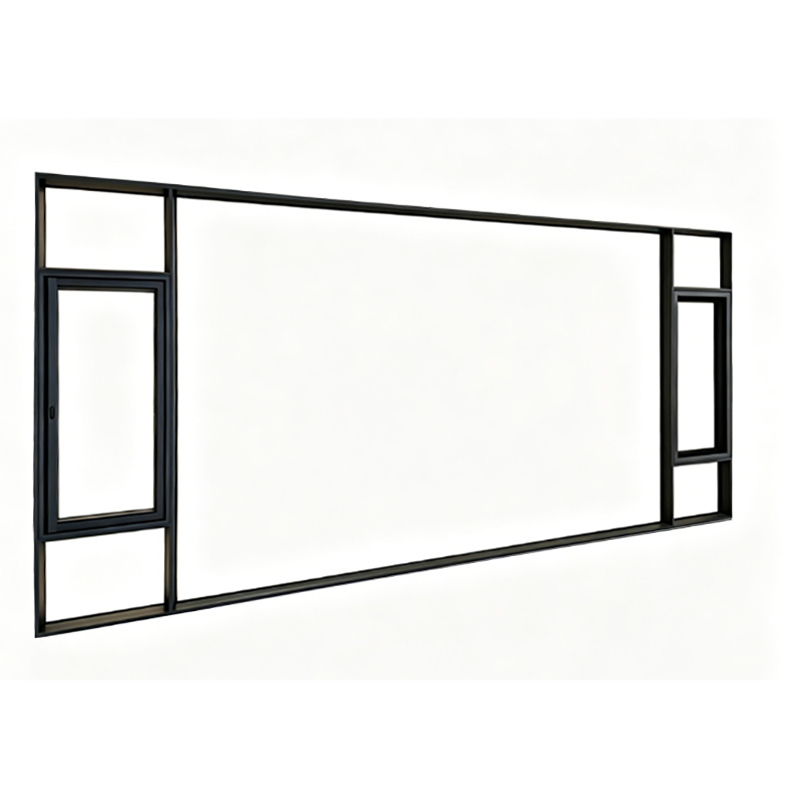
For those who want details, here is what our aluminum window export products include:
l Profile thickness: 1.4mm, 1.6mm, or 2.0mm
l Surface finish: Powder coating, anodized silver/bronze, or wood grain transfer
l Glass options: 5mm clear, 5mm reflective, 5mm+12A+5mm double glazed, or tempered safety glass
l Hardware: HOPO, GU, or our own branded stainless steel hinges and handles
l Weather sealing: EPDM rubber gaskets for water and air tightness
l Max size: Up to 2.5m width x 2.8m height for sliding windows (custom sizes available)
These specifications ensure that when you ask “Could zero tariffs on Africa lower your window costs?” , the “yes” comes without compromise on quality. Lower cost does not mean lower standard.
Final Words: Your Next Step in Lowering Window Costs
The policy is in effect. The savings are real. The only question left is not “Could zero tariffs on Africa lower your window costs?” —because we have proven that it does. The real question is: Will you act now or wait while your competitors enjoy lower material costs?
Contact us today for a no-obligation quote. Provide your window sizes, quantities, and destination port. We will reply within 24 hours with:
l A detailed proforma invoice showing zero tariff application
l Recommended shipping line and estimated freight cost
l Sample order process (small quantity available for testing)
Remember: Every day you delay is a day you pay higher window costs than necessary. With zero tariffs on Africa, the smart money is moving now.
Your trusted door and window factory – lowering window costs for Africa, one zero-tariff container at a time.
Source: Xinhuanet. Ministry of Commerce interprets the entry into force of zero-tariff treatment for all 53 African diplomatic countries, injecting strong impetus into China-Africa trade and investment cooperation.
