

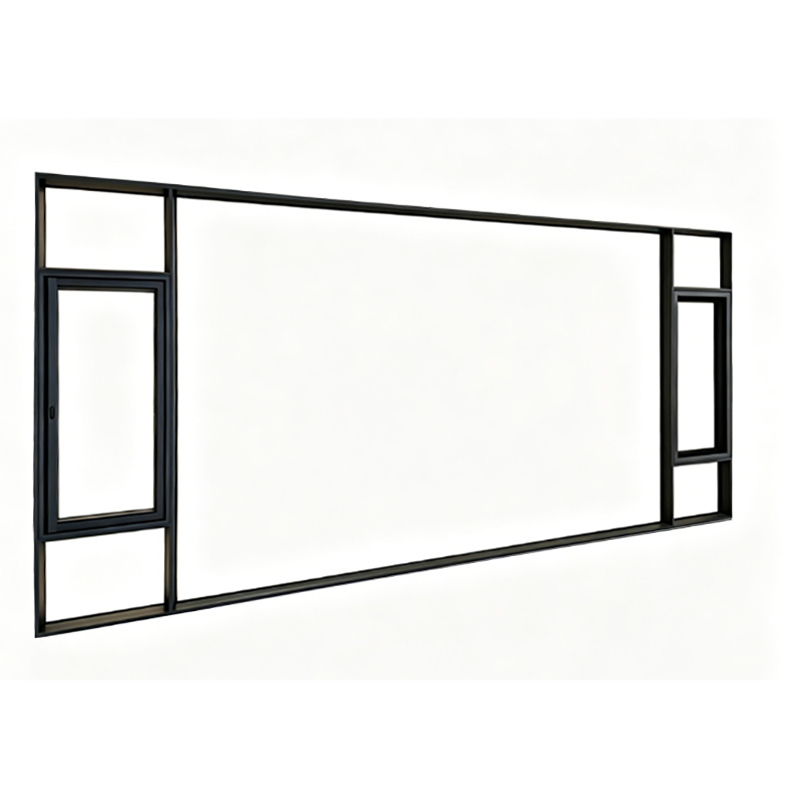
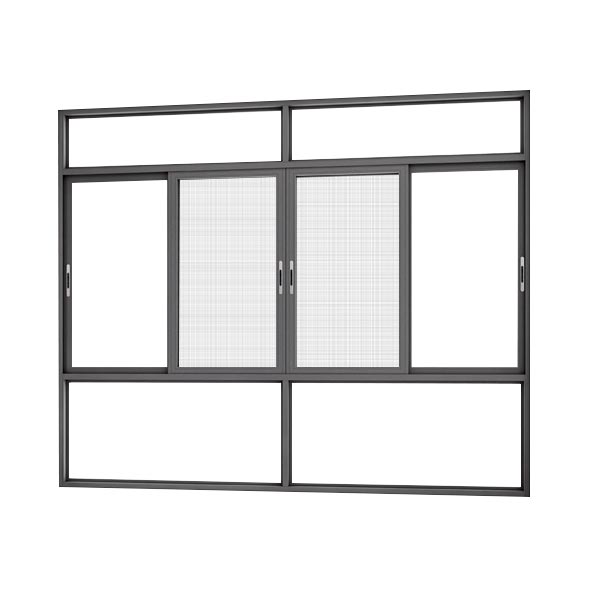
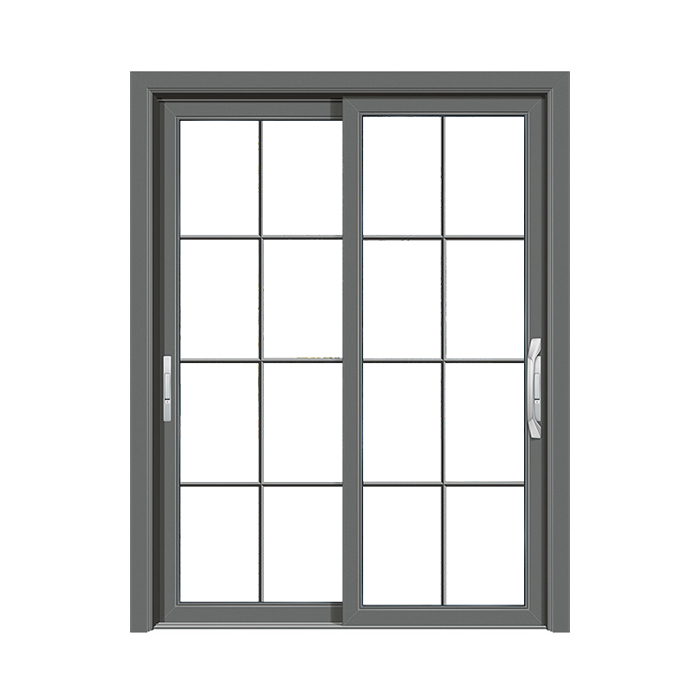
For discerning aluminium door manufacturers, the foundation of a superior product begins long before the extrusion press. It starts with the raw material: alumina, derived from bauxite. Recent tectonic shifts in the global alumina and bauxite supply chain are creating ripples that will inevitably reach the fabrication floor, influencing the cost, availability, and strategic planning for high-quality aluminium for doors and windows. Understanding this upstream landscape is no longer optional; it is essential for securing a resilient supply of the premium material needed for custom made aluminium doors.
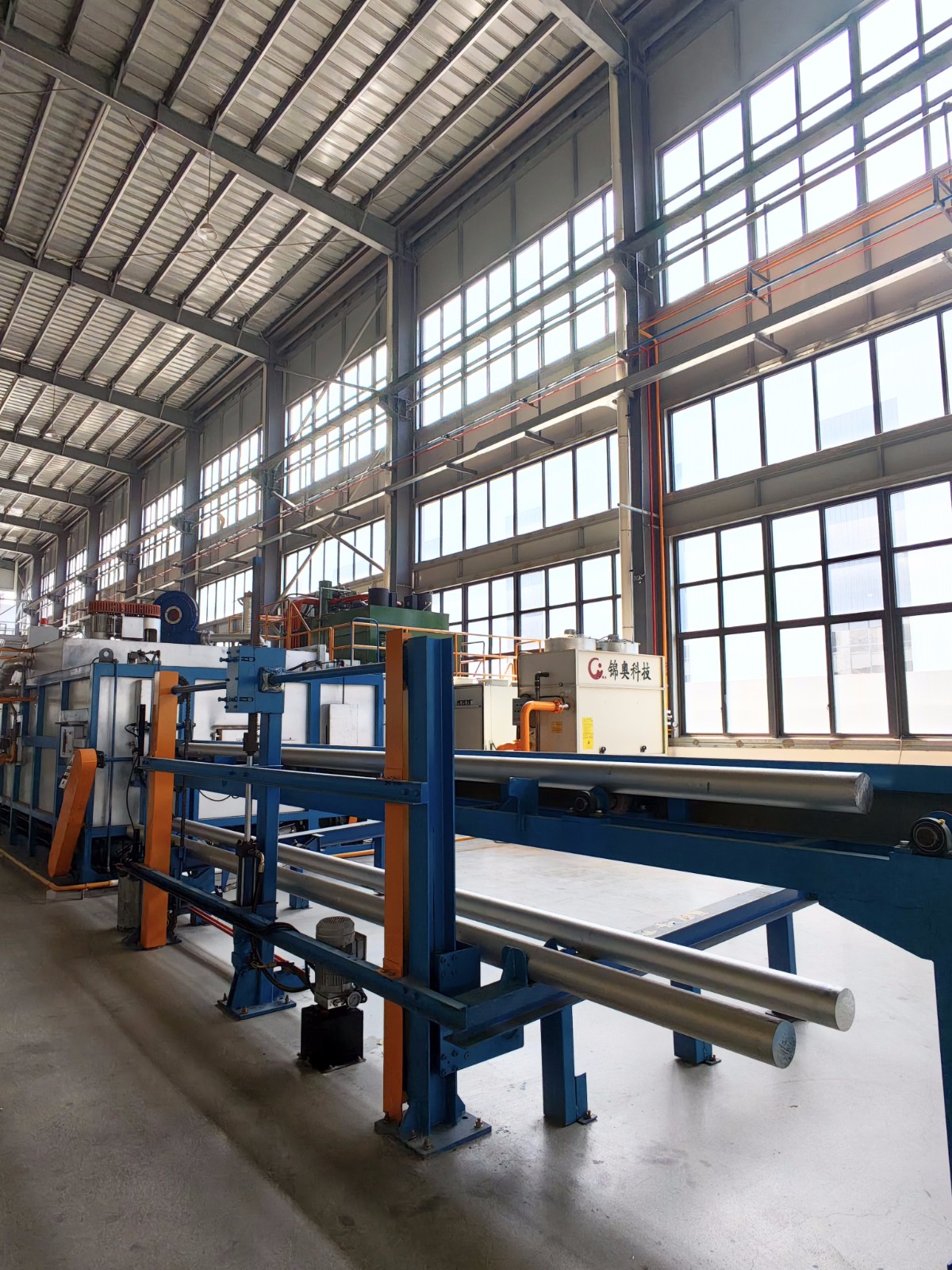
The core challenge has evolved beyond simple supply and demand. It is now a crisis of supply chain resilience, dominated by geopolitics and industrial policy. Global supply remains dangerously concentrated, with four nations accounting for nearly 80% of bauxite output, creating a system vulnerable to policy shifts and natural disasters. Guinea, the world’s largest reserve holder, is pivotal. Its strategic pivot from raw ore export to mandating local alumina refining is a game-changer. By 2030, Guinea aims to host 5-6 refineries, potentially processing 70 million tons of ore locally. This will not only alter physical trade flows but also reprice its bauxite based on local refining costs, moving away from traditional benchmarks. Simultaneously, traditional pillars like Australia face aging infrastructure and rising energy costs linked to the energy transition, eroding their cost competitiveness. This precarious situation underscores the importance for aluminium door manufacturers to partner with fabricators who possess deep, secure, and diversified raw material channels to ensure the steady flow of aluminium for doors
The instability upstream is colliding with a severe structural imbalance in the midstream, directly relevant to producers of aluminium fabrication glass door systems. A massive wave of new global alumina refining capacity is set to create a prolonged surplus, depressing prices and squeezing refinery profits. This creates a critical bottleneck: alumina refiners, operating on thin margins, become highly resistant to high bauxite costs. Consequently, the price ceiling for bauxite is now dictated not by its own scarcity, but by the refiners' ability to pay. This fundamental shift transforms bauxite pricing from a resource-based model to a cost-component negotiation. For fabricators specializing in aluminium fabrication glass door units and custom made aluminium doors, this midstream squeeze creates both risk and opportunity. While it may moderate long-term material cost inflation, it pressures the entire upstream chain, potentially threatening the consistent quality and alloy integrity of the aluminium for doors if cost-cutting permeates the production process. This makes vetting a supplier's quality control from melt to manufacture more crucial than ever.
The outcome of these forces is visibly crystallizing in port stockpiles. Major consuming ports now hold historically high inventories of bauxite. This stockpile serves a dual purpose: it acts as a crucial buffer against short-term logistical disruptions, providing aluminium door manufacturers with a measure of supply security. However, it also signals a mismatch between robust raw material supply and tempered midstream demand. The path forward for aluminium door manufacturers hinges on strategic adaptation. Partnering with a forward-thinking fabricator who navigates this complex landscape is key. The ideal partner manages strategic material reserves to buffer volatility, insists on traceable, high-quality aluminium for doors to ensure performance, and leverages custom made aluminium doors capabilities to deliver value beyond mere commodity pricing. In an era of upstream uncertainty, the true mark of quality will be a door that stands firm not just in its frame, but in the resilience of the supply chain behind it.
