

The concealed sliding door trend that's redefining modern interiors — and why aluminum is the material making it all possible.
Introduction: The Door That Disappears
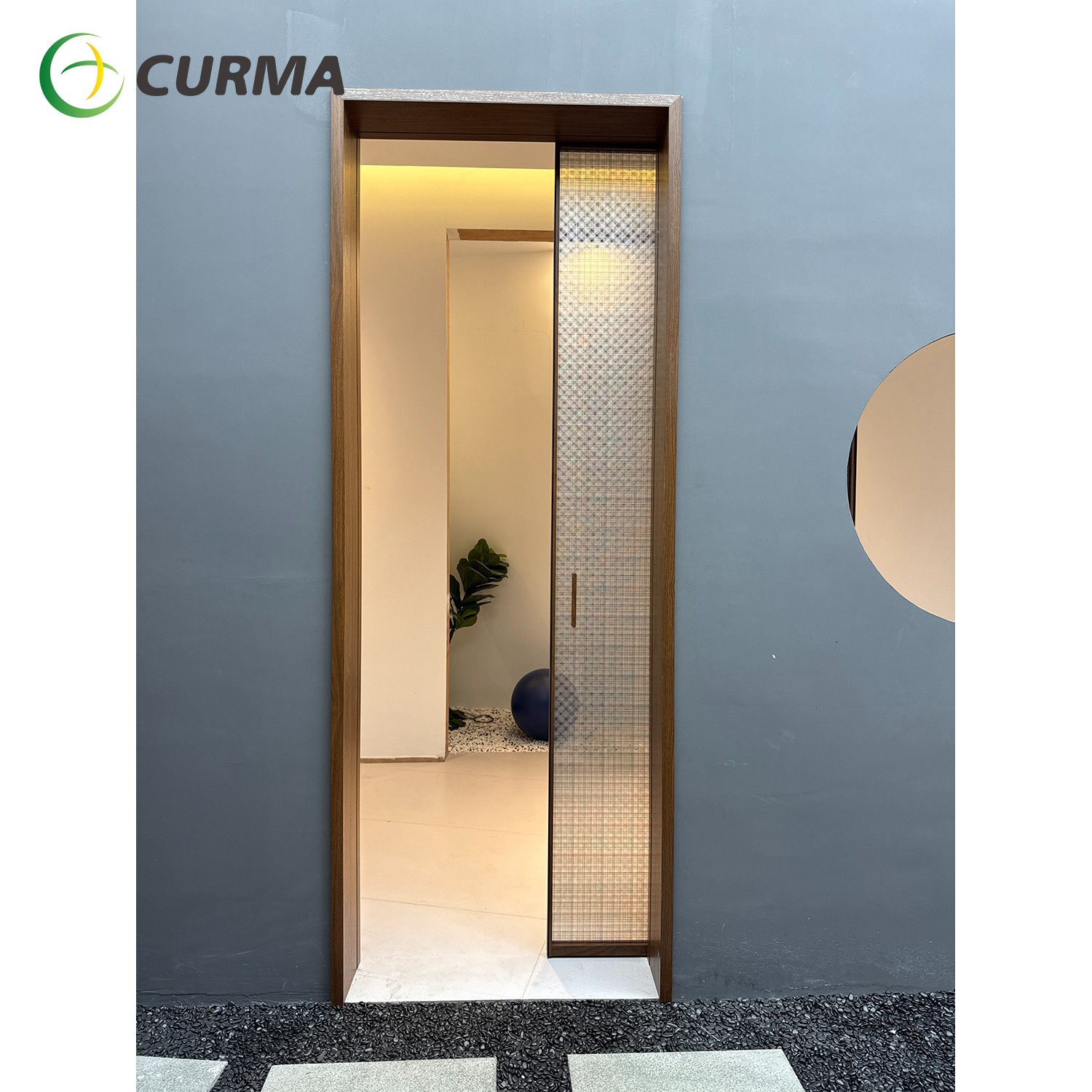
Walk into a luxury apartment or a thoughtfully designed modern home in 2026, and you might notice something unusual. Doors seem to float. There are no visible tracks on the floor, no bulky hardware protruding from the wall, no hinges breaking the clean lines of the interior. The door glides silently along the wall as if suspended by an invisible force — then disappears entirely into the architecture when closed.
This is the ghost door — also known as the invisible sliding door — and it has quickly become one of the most talked-about interior design solutions of 2026. Designers are specifying them for luxury residences. Homeowners are retrofitting them into compact urban apartments. And architects are integrating them into commercial spaces from boutique hotels to modern offices.
But what exactly is a ghost door? Why has it surged in popularity this year? And most importantly for anyone considering one — what role does aluminum play in making these systems actually work?
This article answers all of those questions. Whether you are an architect specifying interior doors for a high-end project, a contractor looking for reliable sliding door solutions, or a homeowner planning a renovation, read on to understand why the ghost door is taking over 2026 — and why choosing the right material matters more than you might think.
What Is a Ghost Door? (And Why Is It Called That?)
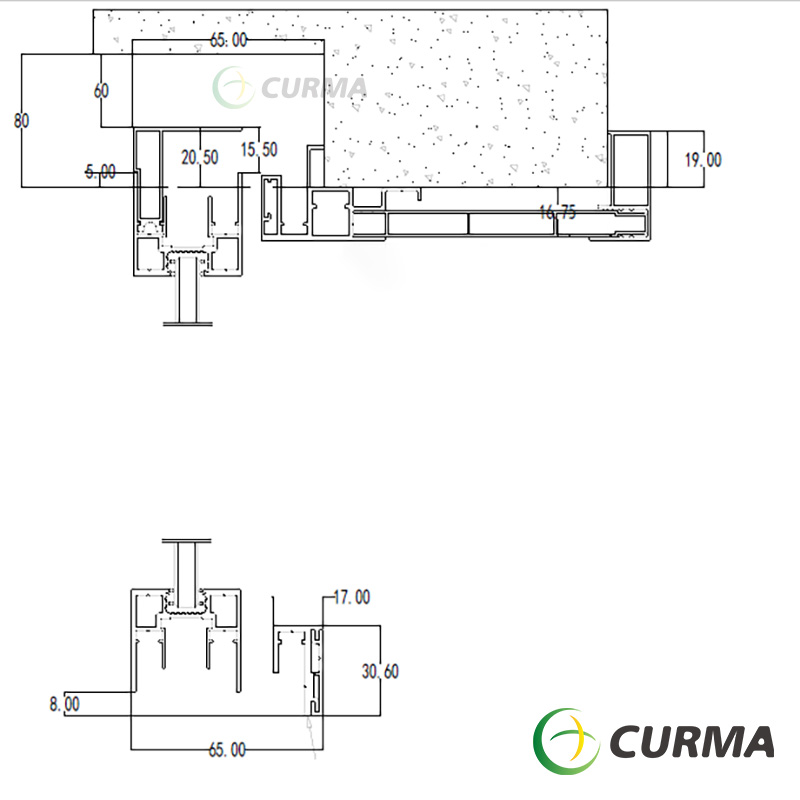
A ghost door is a concealed interior sliding door system designed to eliminate all visible hardware. Unlike traditional sliding doors where the track is fixed to the wall or ceiling, a ghost door uses a "track follows door" principle: the track is embedded into the top of the door panel itself, and the entire mechanism moves with the door as it slides.
The result? When the door is closed, the track is completely hidden behind the door panel. When it is open, the track remains concealed within the door's structure. From the front view, all you see is a clean door panel — no rails, no wheels, no exposed metal.
This is why it is called a ghost door: the door appears to float or glide along the wall like a ghost, with no visible means of support.
The same product is also referred to in the industry as an invisible sliding door, a concealed sliding door, or a trackless sliding door. But whatever you call it, the core concept remains the same: maximum aesthetics through minimal visibility.
Why Ghost Doors Are Exploding in Popularity in 2026
Several converging trends have pushed ghost doors into the spotlight this year.
First, the rise of minimalism. Modern interior design in 2026 emphasizes simplicity, clean lines, and visual harmony. Homeowners and designers alike are moving away from cluttered, ornamented spaces toward serene, uncluttered environments. A door with exposed hardware breaks that visual flow. A ghost door — with its hidden track and seamless appearance — preserves it.
Second, the space efficiency imperative. As urban living spaces continue to shrink, every square foot matters. Traditional hinged doors require a swing radius that consumes valuable floor space. A ghost door slides parallel to the wall, reclaiming that area — roughly ten square feet of clearance in a typical room. This makes ghost doors ideal for compact apartments, narrow hallways, and rooms where every inch counts.
Third, the "no visible track" revolution. For years, homeowners have struggled with floor tracks that collect dust, trap dirt, and create tripping hazards. Barn doors solved the floor-track problem but introduced a new one: visible overhead rails that become a visual focal point — often for the wrong reasons. Ghost doors eliminate both problems. No floor track. No visible overhead rail. Just clean, uninterrupted surfaces.
Fourth, the 2026 design zeitgeist. Industry reports indicate that hidden interior doors have emerged as one of the most prominent design directions of 2026. The global interior sliding door market is experiencing significant growth, with the broader pocket door market valued at approximately USD 9.9 billion in 2025 and projected to grow at a CAGR of 4.7% through 2035. Within this expanding market, ghost doors represent the premium, high-growth segment — the choice for those who want the best of both form and function.
Simply put: ghost doors deliver what other door systems promise but fail to fully achieve — invisible hardware, effortless operation, and uncompromised aesthetics.
Ghost Door vs. Barn Door vs. Pocket Door — What's the Difference?
To understand why ghost doors are winning in 2026, it helps to compare them to the two other popular sliding door categories.
1. Barn Door — The Visible Alternative
A barn door hangs from an exposed metal rail mounted above the door opening. The track and rollers are fully visible, and the door slides along the wall surface. Barn doors were trendy a few years ago and remain popular in farmhouse and rustic decor styles.
Pros: Easy to install, no wall cavity required, visually striking as a design feature.
Cons: The exposed track can look industrial or out of place in minimalist interiors. Barn doors do not seal well, making them poor choices for bathrooms, bedrooms, or anywhere privacy and sound matter. They also require clear wall space beside the opening.
2. Pocket Door — The Wall-Cavity Solution
A pocket door slides completely into a cavity built inside the wall. When open, the door disappears entirely into the wall structure.
Pros: Maximum space savings, completely hidden when open.
Cons: Requires structural modification to create the wall cavity. Installation is expensive and complex. Utilities cannot run through that wall section. The locking mechanism is often less robust than other options.
3. Ghost Door — The Best of Both Worlds
A ghost door combines the surface-mounted convenience of a barn door with the hidden-hardware aesthetics of a pocket door — without requiring any wall cavity.
Pros: Hidden track and hardware, no floor track, no wall cavity required, easy to retrofit, works with existing wall structures, clean minimalist appearance, preserves wall integrity.
Cons: Requires precise installation and a solid wall surface to support the top-mounted system. Repairs, when needed, can be more complex than barn door repairs.
For most homeowners and designers in 2026, the ghost door represents the sweet spot: the visual elegance of a pocket door with the installation practicality of a barn door. And the material that makes this possible? Aluminum.
Why Aluminum Is the Secret to a Great Ghost Door
Here is something most homeowners do not realize: the ghost door is only as good as the material it is made from.
Here is why.
A ghost door hangs entirely from its top-mounted track system. The entire weight of the door panel — and the track that moves with it — is supported by the overhead hardware. If the door is too heavy, the hardware will strain, the rollers will wear prematurely, and the sliding mechanism will become stiff, noisy, or fail entirely.
This is where aluminum makes all the difference.
1. Lightweight — Less Strain on Hardware
Aluminum has an excellent strength-to-weight ratio. It is significantly lighter than wood, steel, or MDF while offering comparable or superior structural strength. A typical aluminum sliding door weighs substantially less than a wooden door of the same dimensions.
Why does this matter? Because lighter doors extend the life of the hardware. The rollers, bearings, and track in a ghost door system experience less stress with each open-close cycle. The result: smoother operation, quieter sliding, and a system that lasts years longer than a heavier alternative.
For manufacturers and specifiers, this is not a minor detail. It is the core engineering consideration that determines whether a ghost door performs beautifully for a decade or becomes a maintenance headache within two years.
2. Durable — No Warping, No Rust, No Rot
Aluminum does not warp, crack, or rot like wood. It does not rust like steel. It resists corrosion, moisture, and humidity. This makes aluminum sliding doors ideal for:
Ø Kitchens, where humidity and heat can damage wooden doors
Ø Bathrooms, where moisture is a constant challenge
Ø Basements, where dampness is unavoidable
Ø Coastal climates, where salt air corrodes metal hardware
A wood ghost door might look beautiful on day one. But over time, wood expands, contracts, and warps with changes in temperature and humidity. An aluminum sliding door remains dimensionally stable — year after year.
3. Slim Profiles — Maximum Glass, Minimum Frame
Aluminum's strength allows for extremely narrow frame profiles — as slim as 1.2 cm (approximately 0.47 inches). This means more glass, less frame, and better light transmission. For homeowners who want a modern sliding door that feels open and airy rather than heavy and obstructive, aluminum is the only choice.
4. Design Flexibility
Aluminum can be finished in virtually any color or texture. Powder coating, anodizing, and wood-grain transfer printing allow aluminum sliding doors to match any interior design scheme. Want the warm look of wood without the maintenance headaches? Wood-grain aluminum delivers. Want a sleek matte black frame? Powder-coated aluminum delivers that too.
5. Environmentally Sustainable
Aluminum is 100% recyclable. At the end of its long service life, an aluminum sliding door can be melted down and reformed into new products — making it one of the most sustainable material choices in modern construction.
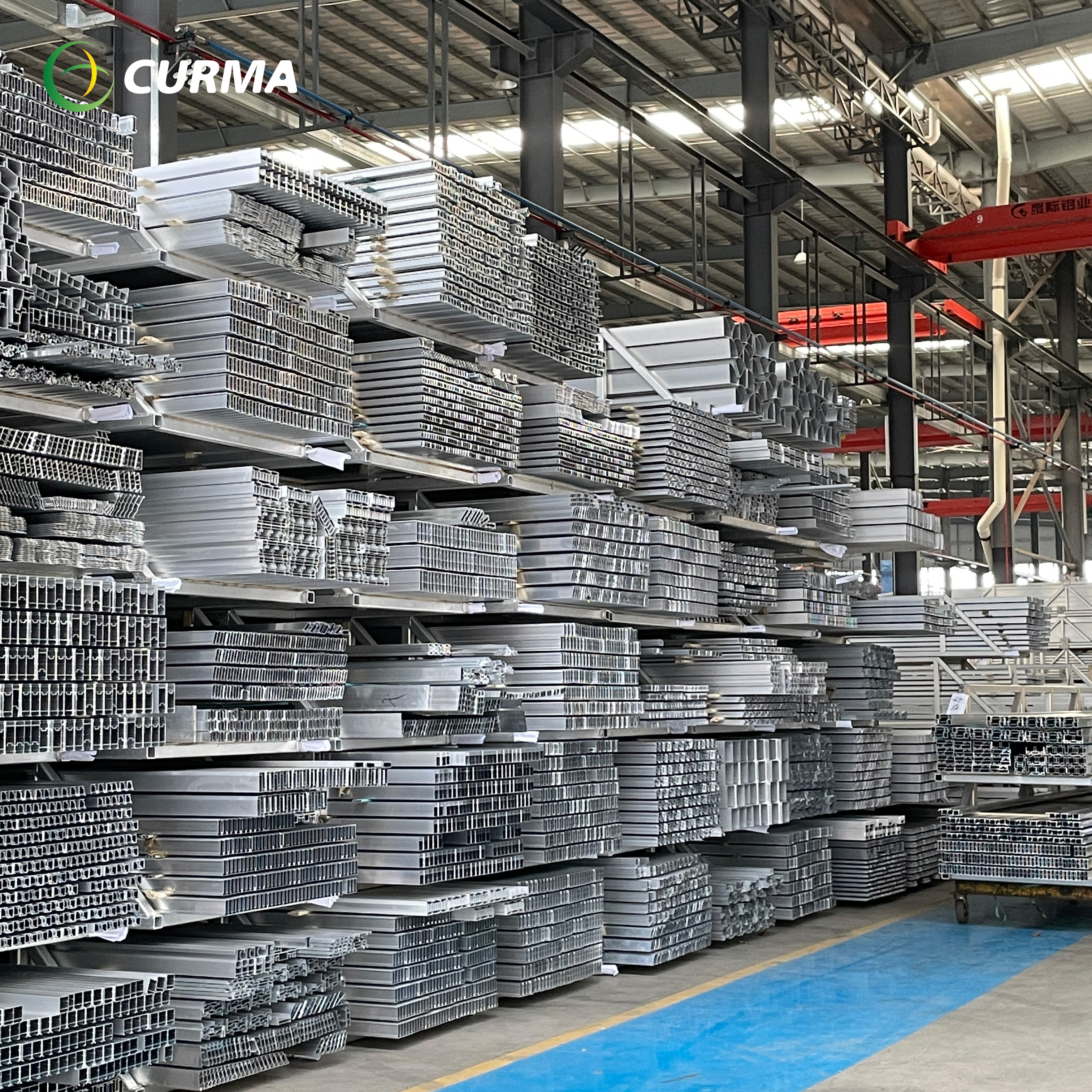
For all these reasons, leading ghost door manufacturers have embraced aluminum as the premium material for their systems. It is not just about aesthetics — it is about engineering a door that actually works, day after day, year after year.
Key Features to Look for in a Quality Ghost Door System
If you are considering a ghost door for your project — whether residential or commercial — here are the features that separate a high-quality system from a substandard one.
1. Precision Hardware
The hardware is the heart of any ghost door. Look for systems that use:
Ø High-grade aluminum tracks — not cheap steel or plastic
Ø Smooth-gliding nylon wheels with steel ball bearings
Ø Six-way adjustable top rollers for precise alignment
Ø Soft-close mechanisms for safety and noise control
Ø Hydraulic buffer technology that reduces noise and prevents slamming
A quality ghost door should support door widths from 32 inches to 48 inches and weights up to approximately 176 lbs (80 kg).
2. Floor Guide System
A ghost door needs a floor guide to keep the door tracking straight — but a good system uses a hidden bottom locator, not an exposed floor track. The guide should be discreet, mounted near the wall, with a corresponding groove at the bottom edge of the door. The result: no floor tracks in the walkway.
3. Wall Preparation
Ghost doors require precise installation. The wall surface must be plumb, and the floor must be level. The wall must be solid enough to support the top-mounted track and the lateral forces of sliding motion. For hollow or non-load-bearing walls, additional structural reinforcement — such as plywood backing — is essential.
Important note: Ghost doors require clearance on one side of the opening for the door to slide open. Plan for sufficient wall space — typically the width of the door plus some clearance. Also, avoid placing electrical outlets or light switches on the wall where the door will slide — they will obstruct the door's movement.
4. Professional Installation
Because of the precision required, ghost doors should be installed by professionals with experience in concealed sliding door systems. Our factory supplies the door systems only — we do not provide on-site installation services. We recommend working with local contractors who have proven experience with ghost door installations.
For architects and contractors, we provide detailed technical specifications, installation guides, and ongoing technical support to ensure successful project outcomes.
Applications — Where Ghost Doors Work Best
Ghost doors are versatile enough for virtually any interior application, but they excel in specific scenarios:
Residential:
Ø Kitchens — no floor track means no grease trap; aluminum resists humidity
Ø Bathrooms — moisture-resistant and easy to clean
Ø Bedrooms — silent operation preserves privacy and peace
Ø Home offices — creates a quiet, enclosed workspace without sacrificing aesthetics
Ø Pantries and utility rooms — space-saving and unobtrusive
Ø TV wall adjacent rooms — when closed, the door blends into the wall, preserving the visual integrity of the entertainment wall
Commercial:
Ø Boutique hotels — premium guest experience
Ø Modern offices — flexible space division without visual clutter
Ø Retail spaces — clean, high-end appearance
Ø Showrooms — allows seamless transitions between display areas
The common thread: Any space where aesthetics, space efficiency, and clean design matter — which in 2026 is just about everywhere.
Why Choose Our Factory for Your Ghost Door Needs
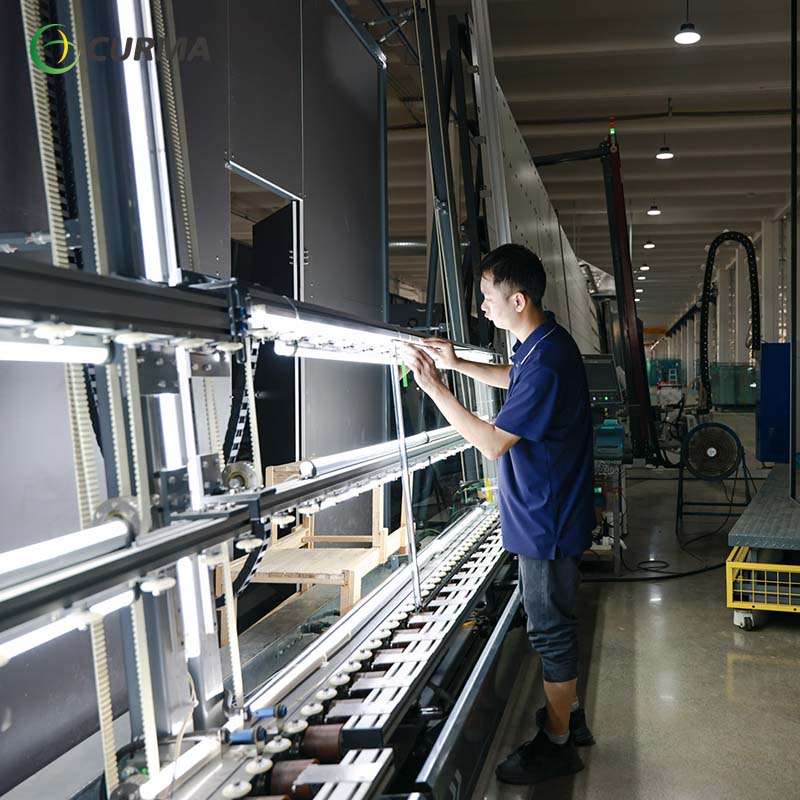
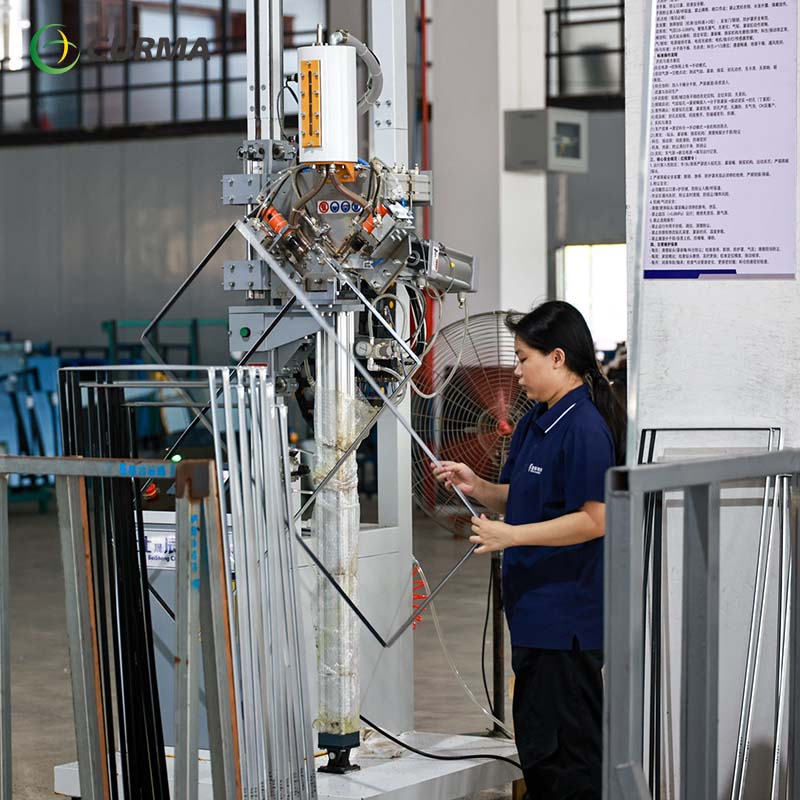
We are a door manufacturer based in Foshan, China — the heart of the country's aluminum windows and doors industry. With years of experience in aluminum sliding door production, we have developed ghost door systems that combine premium materials, precision engineering, and factory-direct pricing.
Our advantages:
Ø Premium aluminum alloy — we use high-grade, corrosion-resistant aluminum extrusions, not cheap recycled material
Ø Customization — we offer custom sizing, finishes, and glass options to match any project requirement
Ø Factory-direct pricing — no middlemen, no markups
Ø Fast turnaround — typical production and delivery within 7-10 days for standard specifications
Ø Technical support — our team provides detailed installation guidance (though we do not provide on-site installation)
Ø Global shipping — we serve customers worldwide from our Foshan manufacturing base
Whether you are a contractor sourcing for a multi-unit development, an architect specifying for a luxury project, or a homeowner renovating a single room, we have the expertise and capacity to deliver.


Key Installation Considerations
Before purchasing a ghost door, here are the critical installation factors to review with your contractor:
1. Wall suitability. The wall must be structurally sound. For hollow walls, add plywood backing behind the drywall at the track mounting location.
2. Level and plumb. Both the wall and floor must be perfectly level and plumb. Tolerances should be within 1 millimeter.
3. Clearance above the opening. You need sufficient clearance between the top of the door opening and the ceiling — typically at least 16 cm (approximately 6.3 inches).
4. Side clearance. The door needs wall space on the sliding side — typically the width of the door plus approximately 27 cm (about 10.6 inches) of clearance.
5. Obstructions. Do not place electrical outlets, light switches, or baseboard heating on the wall where the door will slide. Consider flush-mounted or recessed baseboards.
6. Professional installation. We recommend hiring experienced professionals for ghost door installation. Our factory provides the door system and technical documentation — installation is the responsibility of the customer or their contractor.
Conclusion — The Future Is Invisible
The ghost door is not a passing fad. It represents a fundamental shift in how we think about interior doors: from functional necessities that we have to tolerate, to design elements that actively enhance our living spaces.
In 2026, as homeowners and designers increasingly prioritize clean lines, open floor plans, and visual calm, the invisible sliding door has emerged as the solution that delivers on all fronts. It saves space. It eliminates visual clutter. And when made with high-quality aluminum, it performs reliably for years.
As a door manufacturer specializing in aluminum sliding doors for interior sliding door applications, we are proud to be at the forefront of this movement. Our modern sliding door systems are engineered to the highest standards — because we believe that the best design is the design you barely notice.
Ready to explore ghost doors for your next project? Contact our team today for product specifications, customization options, and factory-direct pricing. We supply the doors — your local contractor handles the installation.
The ghost door is taking over in 2026. Don't get left behind.
