
Pergola Market Growth and Benefits
Over the past fifteen years, the pergola has evolved from a simple garden ornament into an essential element of modern home design. No longer just a sunshade for summer afternoons, today's pergola is a fully functional outdoor room that can be enjoyed in every season. According to MSI Reports, the rise of outdoor living and the search for additional living space around the home are structural trends that will continue to drive the pergola market in the coming years.
The global aluminum pergola market was estimated at USD 2.34 billion in 2025 and is projected to grow at a compound annual growth rate of 4.20% during the forecast period. In France alone, aluminum pergola structures with adjustable louvers now account for the majority of sales, thanks to their unique positioning between awning and conservatory. This growth reflects a fundamental shift in how homeowners and businesses think about outdoor spaces.
So why build a pergola? The answer lies in five key areas: aluminum pergola durability, glass enclosure options, energy performance, custom pergola design flexibility, and advanced glazing technologies. This article explores each of these dimensions in depth.
Aluminum Pergola Offers Durability
Durability That Stands the Test of Time
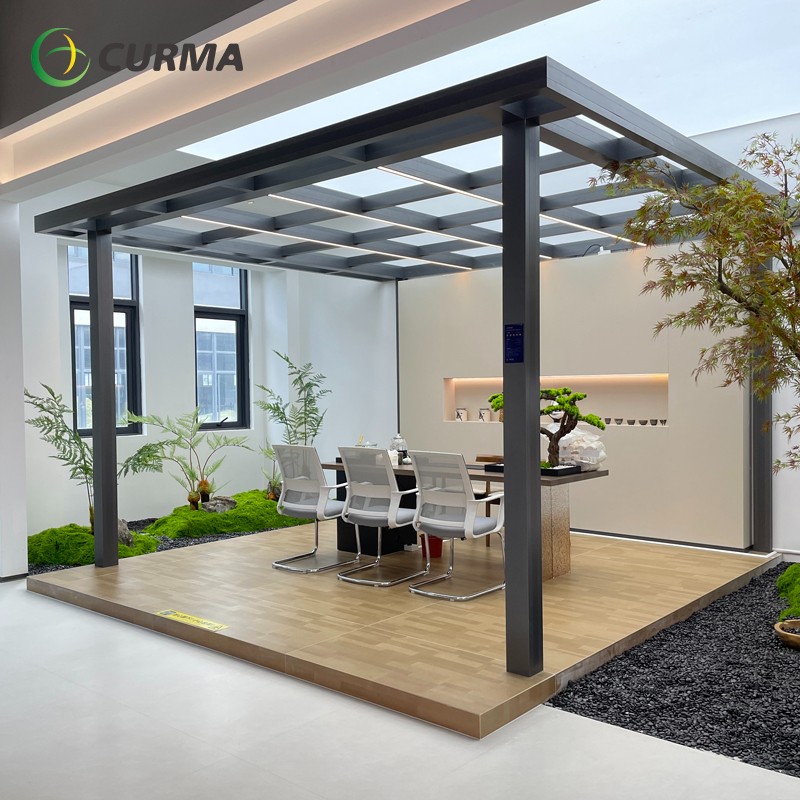
When choosing a pergola structure, material selection is the most critical decision you will make. Wood may offer traditional aesthetics, but it requires constant maintenance and is vulnerable to rot, warping, and insect damage. Steel provides strength but is prone to corrosion. Aluminum pergola structures, by contrast, offer the ideal balance of strength, durability, and low maintenance.
An aluminum pergola is naturally resistant to rust, corrosion, and UV damage. Unlike wood, it does not warp, crack, or splinter, even in harsh weather conditions. A properly designed aluminum pergola can easily withstand strong winds exceeding 100 km/h. This weather resistance ensures that your investment remains structurally sound and visually appealing for decades with minimal upkeep.
Sustainability and Recyclability
Beyond durability, aluminum pergola systems are also an environmentally responsible choice. Aluminum is 100% recyclable and can be recycled indefinitely without losing its properties. For homeowners and businesses committed to reducing their environmental footprint, choosing an aluminum pergola aligns with broader sustainability goals. The material's longevity also means fewer replacements over time, further reducing waste and resource consumption.
Design Flexibility
An aluminum pergola can be tailored to virtually any architectural style. The material's extruded profiles offer high stiffness while maintaining visual lightness, enabling large spans and column-free designs. Whether you prefer clean, minimalist lines or more ornate detailing, an aluminum pergola can be customized to match your home's facade or garden design.
Sliding Glass Door Connects Spaces
The Role of Glass in Outdoor Living
One of the most compelling reasons to build a pergola is the ability to create a seamless transition between indoor and outdoor living spaces. This is where high-performance glass solutions become essential. A sliding glass door is the gateway between your home and your pergola, allowing natural light to flood interiors while providing unobstructed views of your outdoor sanctuary.
The global market for energy-efficient sliding glass door systems was valued at approximately USD 1.4 billion in 2024 and is forecast to reach USD 1.8 billion by 2031, with a CAGR of 4.1%. This growth reflects increasing consumer demand for sliding glass door solutions that combine aesthetic appeal with thermal performance.
A high-quality sliding glass door does more than just look beautiful. It serves as the critical interface between conditioned indoor air and the outdoor environment. Modern sliding glass door systems feature thermally broken frames, advanced sealing systems, and multi-point locking mechanisms that enhance both energy efficiency and security.
Glass Side Panels for Year-Round Use
Beyond the primary sliding glass door that connects your home to the pergola, consider adding glass sliding panels to the sides of your pergola structure. These panels can transform an open aluminum pergola into a semi-enclosed or fully enclosed space, protecting against wind, rain, and cooler temperatures.
With glass sliding panels, your aluminum pergola becomes usable in spring, autumn, and even mild winter days. The glass panels can be moved and positioned according to your needs, allowing you to control airflow and privacy throughout the day. This flexibility is one of the key reasons why homeowners are increasingly investing in aluminum pergola systems with glass enclosures.
Energy Efficient Window Saves Energy
Reducing Energy Costs with Smart Design
A well-designed pergola is not just an outdoor luxury—it is an energy-saving investment. By providing shade to south- and west-facing windows and doors, a pergola can significantly reduce solar heat gain during summer months, lowering the workload on your air conditioning system. When combined with an energy-efficient sliding glass door and energy efficient window systems, the cumulative energy savings can be substantial.
The global energy efficient window market reached USD 24.33 billion in 2025 and is expected to grow to USD 43.08 billion by 2034, at a CAGR of 6.36%. This explosive growth is driven by rising energy costs, stringent building codes, and growing awareness of carbon footprint reduction. An energy efficient window is designed with advanced glazing technologies, low-emissivity (Low-E) coatings, and insulated frames to minimize heat transfer and improve indoor climate control.
When you build a pergola with integrated energy efficient window solutions—whether as part of the enclosure or in the adjacent home—you are making a long-term investment in energy savings. Government regulations and financial incentives around the world are increasingly mandating the use of energy efficient window products in new constructions and renovations.
Protecting Your Home from Solar Heat Gain
An aluminum pergola with an adjustable louvered roof offers even greater energy control. By rotating the louvers, you can regulate the amount of sunlight that reaches your patio and, by extension, the windows and doors of your home. During peak summer hours, closing the louvers blocks direct sunlight and reduces heat gain. In cooler months, opening the louvers allows passive solar heating to warm your indoor spaces through your sliding glass door and energy efficient window systems.
This active approach to solar management is one of the most innovative trends in the aluminum pergola market. According to MSI Reports, the segment of aluminum pergola with adjustable louvers now accounts for the majority of sales in mature markets.
Custom Pergola Fits Your Vision
Why Customization Matters
No two homes are identical, and neither should their outdoor living spaces be. A custom pergola allows you to design a structure that perfectly fits your space, your lifestyle, and your aesthetic preferences. According to a 2025 ICFA survey, 77% of consumers do not spend as much time outdoors as they would like, and 80% have at least one outdoor upgrade on a wish list. A custom pergola addresses this gap by creating an outdoor environment that is both inviting and functional.
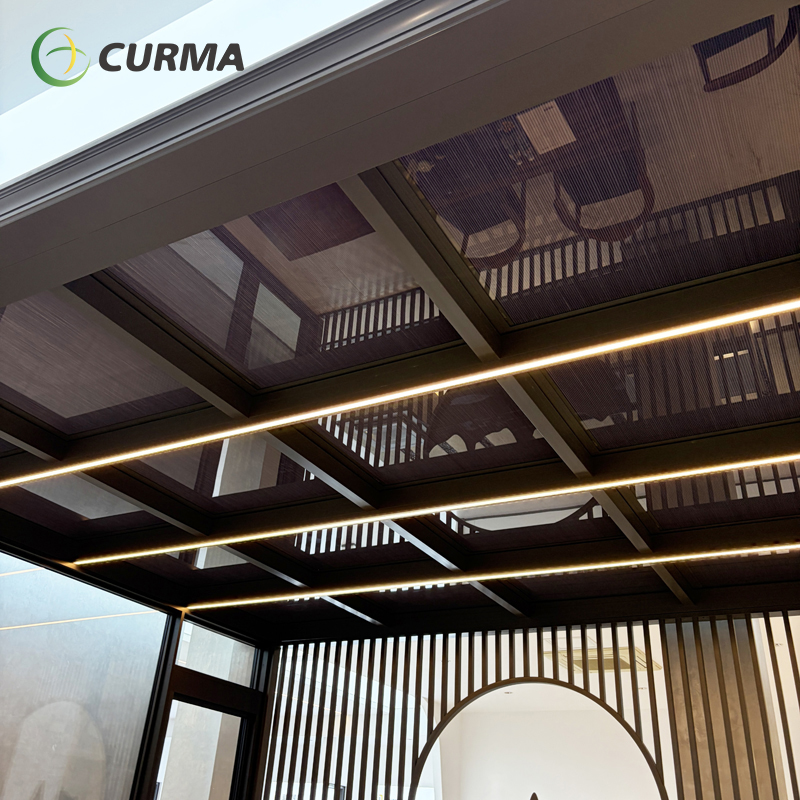
Customization in the pergola market has evolved far beyond choosing a color. Today, a custom pergola can incorporate motorized louvers, integrated LED lighting, weather sensors, smart home connectivity, and a wide range of enclosure options. The trend toward total customization means that instead of standard solutions, homeowners are seeking custom pergola designs that reflect their dimensions, architectural style, and personal preferences.
Tailoring Your Pergola to Your Home
A custom pergola can be freestanding or attached to your home. It can be designed with a flat roof, a pitched roof, or a bioclimatic louvered roof. It can include integrated gutters and drainage systems, built-in seating, outdoor kitchen elements, and more. The flexibility of a custom pergola means that your outdoor space is limited only by your imagination.
For commercial applications, a custom pergola can transform a restaurant terrace, hotel patio, or retail courtyard into a year-round destination. Establishments in the hospitality industry are increasingly using custom pergola structures to optimize terrace usage and extend their operating season.
Double Glazing Improves Insulation
Understanding Double Glazing
The performance of any glass-based enclosure—whether a sliding glass door, an energy efficient window, or pergola side panels—depends heavily on the glazing technology used. Double glazing is the industry standard for high-performance glass systems, and for good reason.
Double glazing consists of two panes of glass separated by a gap filled with air or an inert gas such as argon or krypton. This gap acts as a thermal barrier, significantly reducing heat transfer between the interior and exterior. Double glazing can reduce heat loss or heat gain by almost 30% compared to single-glazed systems.
The Benefits of Double Glazing in Pergola Applications
When you incorporate double glazing into your sliding glass door or energy efficient window systems, you unlock several key benefits:
Thermal Insulation: Double glazing regulates indoor temperatures by preventing heat from escaping in winter and blocking heat from entering in summer. This reduces reliance on heating and cooling systems, lowering energy bills and improving comfort.
Noise Reduction: The air or gas gap between panes in a double glazing system provides excellent acoustic insulation, reducing outside noise from traffic, neighbors, or weather.
Condensation Control: Double glazing helps prevent condensation buildup on interior glass surfaces, protecting your frames and surrounding materials from moisture damage.
Enhanced Security: Double glazing is more difficult to break than single-pane glass, adding an extra layer of security to your sliding glass door and energy efficient window installations.
According to the Energy Saving Trust, replacing single-glazed windows with double glazing can save homeowners hundreds of dollars annually on heating and cooling bills. For a pergola with multiple sliding glass door panels and energy efficient window units, these savings compound significantly.
Double Glazing and Energy-Efficient Windows
The connection between double glazing and energy efficient window performance is direct and measurable. Low-E coatings are often applied to double glazing units to further enhance thermal performance by reflecting heat back into the building during winter and deflecting it in summer. Gas fills between panes improve insulation beyond what air alone can achieve.
When specifying double glazing for your sliding glass door or energy efficient window systems, look for units with low U-values—the measure of heat transfer. Advanced double glazing systems can achieve U-values as low as 1.2 W/m²K using standard double glazing units, and even lower with triple glazing.
Conclusion
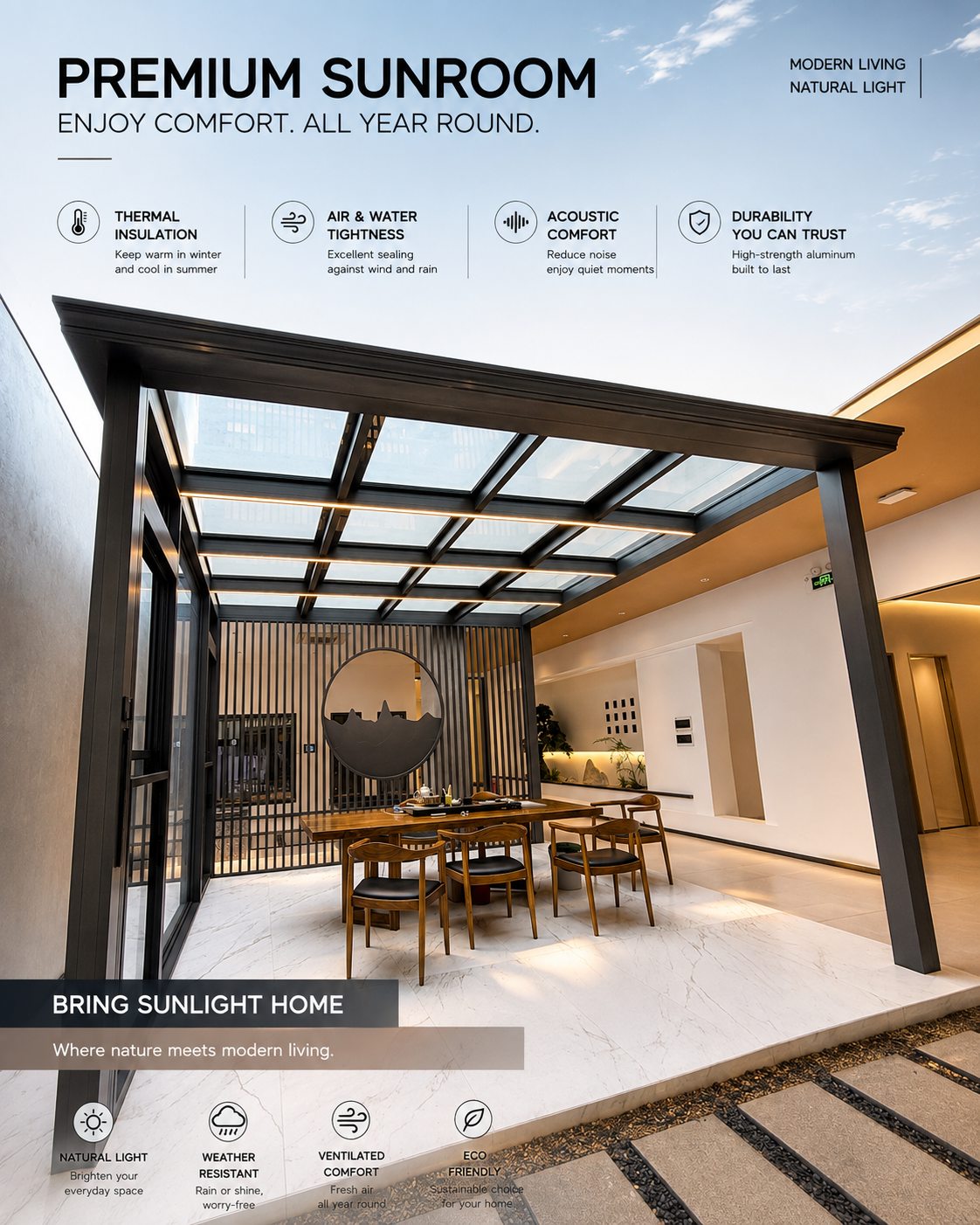
Building a pergola is one of the most impactful investments you can make in your home or commercial property. An aluminum pergola offers unmatched durability, sustainability, and design flexibility. A sliding glass door creates a seamless connection between indoor comfort and outdoor beauty. An energy efficient window system reduces energy costs and enhances indoor climate control. A custom pergola ensures that your outdoor space reflects your unique vision. And double glazing technology delivers the thermal and acoustic performance that makes year-round use possible.
The global market for aluminum pergola systems is growing steadily, driven by the rise of outdoor living, climate change extending summer seasons, and the search for additional living space. Whether you are a homeowner looking to upgrade your backyard or a business owner seeking to optimize your terrace, the time to build is now.
