

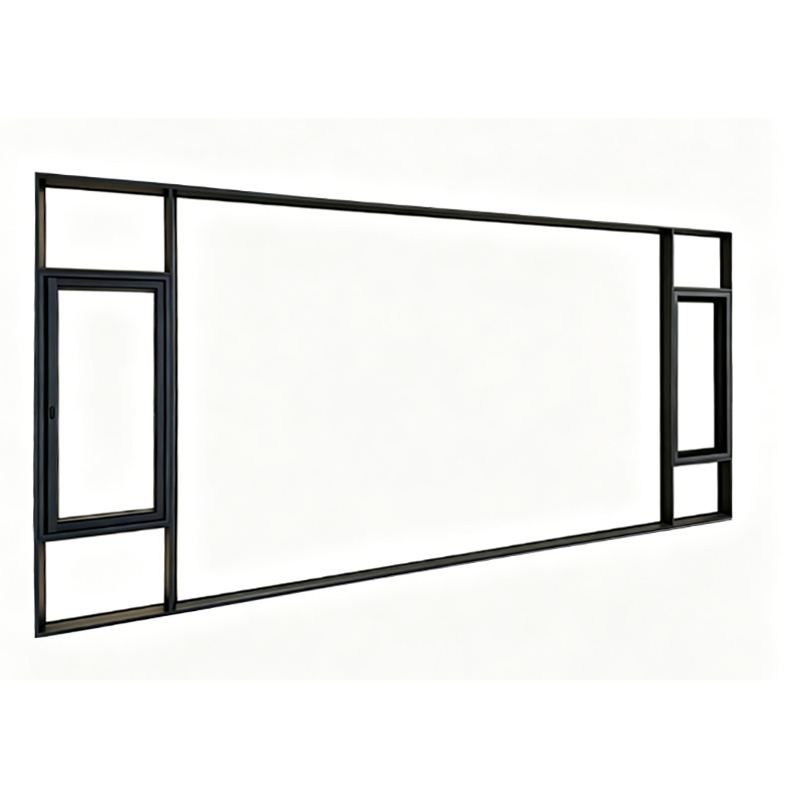
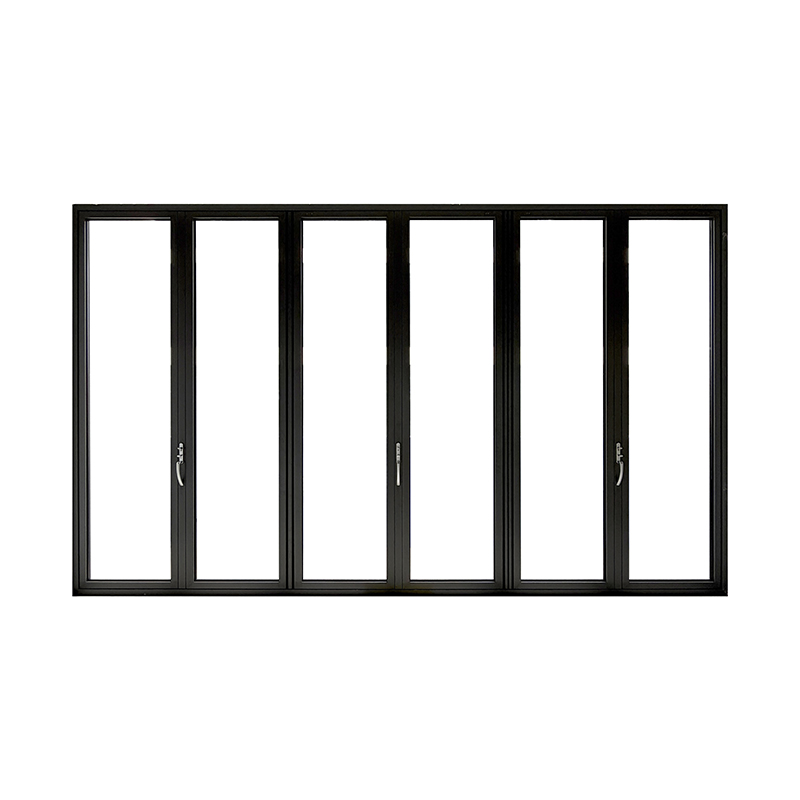
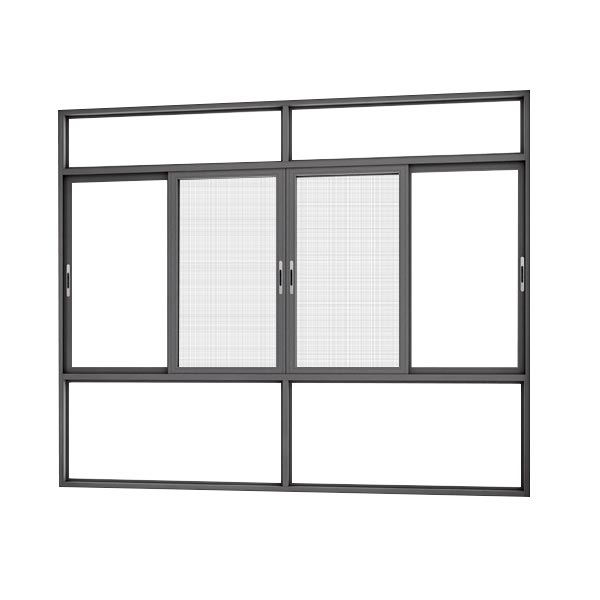
A pocket door is often described as a clever space saving door, but a pocket door is not right for every room. A glass door, a bedroom door, a narrow door, and a space saving door all serve different purposes. When a pocket door is used in the wrong place, it can cause privacy problems, acoustic issues, and long-term frustration. This article explains where not to use a pocket door, and why a glass door, bedroom door, narrow door, or space saving door may be a better choice.
The Core Problem: Pocket Doors Need Clear Wall Cavities
When a Glass Door Is a Better Choice
A pocket door slides into a wall cavity. That design is elegant, but it is not always practical. In a small bathroom, a pocket door may seem like a space saving door, yet moisture and privacy often make a glass door or a hinged glass door more suitable. A glass door can provide light, visual openness, and easy cleaning. A pocket door, by contrast, can trap moisture inside its cavity. For a bedroom door, a pocket door may reduce usable wall space for furniture. For a narrow door opening, a pocket door may be too complex. A glass door, a bedroom door, a narrow door, and a space saving door each solve different problems. A pocket door is not a universal answer.
Bedrooms with High Privacy Needs
A bedroom door is expected to close securely, block sound, and protect privacy. A pocket door often falls short as a bedroom door because it may leave gaps around the edges. If you want a bedroom door that feels solid, a pocket door is usually not recommended. A glass door can be stylish, but for a bedroom door, frosted glass or a solid core door is often better. A narrow door in a bedroom can be a challenge, and a pocket door may make that narrow door even harder to use. A space saving door sounds attractive, but a bedroom door must prioritize privacy over saving space. In short, a pocket door is a poor choice for a bedroom door, a narrow door, or any space saving door plan that requires acoustic separation.
Narrow Hallways and Compact Corners
A narrow door in a hallway can be difficult. A pocket door may look like a space saving door, but it needs a wide wall cavity. In a narrow hallway, that cavity may not exist. A glass door can visually widen a narrow door opening, while a pocket door can make a narrow door feel more cramped. If the goal is a space saving door, a pocket door is not always the best space saving door. A glass door, a narrow door, and a space saving door can work together, but a pocket door may fail. For a bedroom door near a narrow door, a pocket door can also reduce sound control. This is why a pocket door is often not advised for narrow door situations, bedroom door privacy, or glass door replacements.
Bathrooms with High Humidity
A bathroom is one of the worst places for a pocket door. A pocket door inside a wet area can swell, stick, or collect moisture. A glass door is more resistant to humidity and easier to maintain. A space saving door may seem useful in a small bathroom, but a pocket door is not the right space saving door. A narrow door in a bathroom can be paired with a glass door, but a pocket door can become a hidden problem. For a bedroom door, humidity is less common, but for a bathroom, a pocket door is clearly not recommended. A glass door, a narrow door, and a space saving door should be chosen with moisture in mind. A pocket door often fails that test.
Kitchens with Heavy Traffic
In a kitchen, a pocket door may interfere with cabinets, appliances, and countertops. A glass door can divide spaces without blocking light. A space saving door might be useful, but a pocket door is not always the best space saving door. A narrow door in a kitchen can be awkward, and a pocket door can make a narrow door harder to operate. A bedroom door is different from a kitchen door, but the same rule applies: a pocket door is not for every opening. If you need a glass door, a narrow door, or a space saving door, consider how often the door will be used. A pocket door in a busy kitchen can jam, while a glass door or a hinged door may perform better.
Living Areas with Frequent Use
A living area may need a glass door, a narrow door, or a space saving door. A pocket door can be a space saving door, but it is not the best space saving door for every living area. A pocket door can be noisy, and a pocket door can be difficult to repair. A glass door can bring light into a dark corner. A bedroom door should not be replaced by a pocket door if privacy is important. A narrow door should not be forced into a pocket door system. A space saving door should save space without sacrificing function. A pocket door often sacrifices function. That is why a pocket door is not recommended for every living area, bedroom door, narrow door, or glass door scenario.
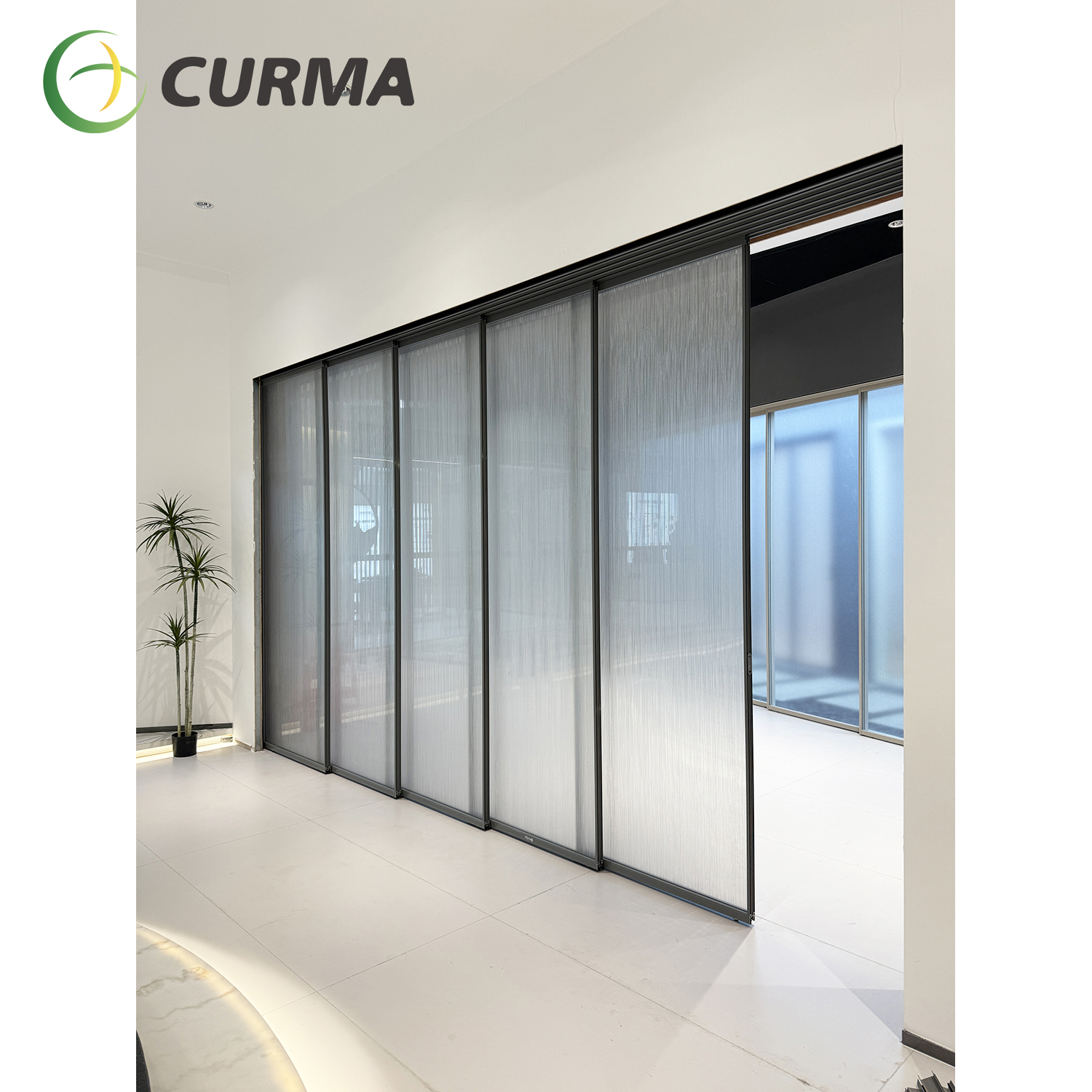
Better Alternatives to Pocket Doors
Glass Door Solutions
A glass door is a strong alternative when a pocket door is not suitable. A glass door can be used in bathrooms, kitchens, and living areas. A glass door can be clear, frosted, or textured. A glass door can also pair with a narrow door frame. A space saving door can be a glass door, but a pocket door is not the only space saving door. For a bedroom door, a glass door may not be ideal, but for a bathroom or hallway, a glass door often works. A pocket door, a glass door, a bedroom door, a narrow door, and a space saving door all have specific use cases. A pocket door should not replace a glass door in wet areas.
Bedroom Door Alternatives
A bedroom door should provide privacy and quiet. A pocket door is usually a poor bedroom door. A glass door is usually a poor bedroom door unless privacy glass is used. A narrow door can be a bedroom door if the room is small, but a pocket door can make a narrow door worse. A space saving door can be a bedroom door, but a pocket door is not the best space saving door for a bedroom door. For a bedroom door, choose a hinged door or a sliding door that closes tightly. A pocket door may save space, but a bedroom door must close well. A pocket door, a glass door, a narrow door, and a space saving door should be evaluated separately. A pocket door is often the wrong answer for a bedroom door.
Narrow Door Strategies
A narrow door needs careful planning. A pocket door may seem like a space saving door, but a narrow door with a pocket door can be problematic. A glass door can make a narrow door feel wider. A bedroom door that is also a narrow door needs a different approach. A space saving door can be a narrow door, but a pocket door is not always the best space saving door. If you have a narrow door, consider a glass door, a sliding door, or a folding door. A pocket door may not fit. A pocket door may not slide. A pocket door may not last. For a narrow door, a pocket door is often not recommended.
Space Saving Door Options
A space saving door is any door that reduces clearance needs. A pocket door is one type of space saving door, but it is not the only space saving door. A glass door can be a space saving door. A narrow door can be a space saving door. A bedroom door can be a space saving door. However, a pocket door is not always the right space saving door. A pocket door can save space, but a pocket door can also create new problems. A glass door, a narrow door, a bedroom door, and a space saving door should be chosen based on the room. A pocket door should not be the default space saving door. A pocket door is not recommended where a glass door, a narrow door, a bedroom door, or a space saving door would perform better.
Why Choose Our Factory
Our factory produces a wide range of door and window products, including glass door systems, bedroom door designs, narrow door solutions, and space saving door options. We focus on durable materials, clean design, and reliable performance for global buyers. If a pocket door is not right for your project, we can help you compare a glass door, a bedroom door, a narrow door, and a space saving door to find the best match.
